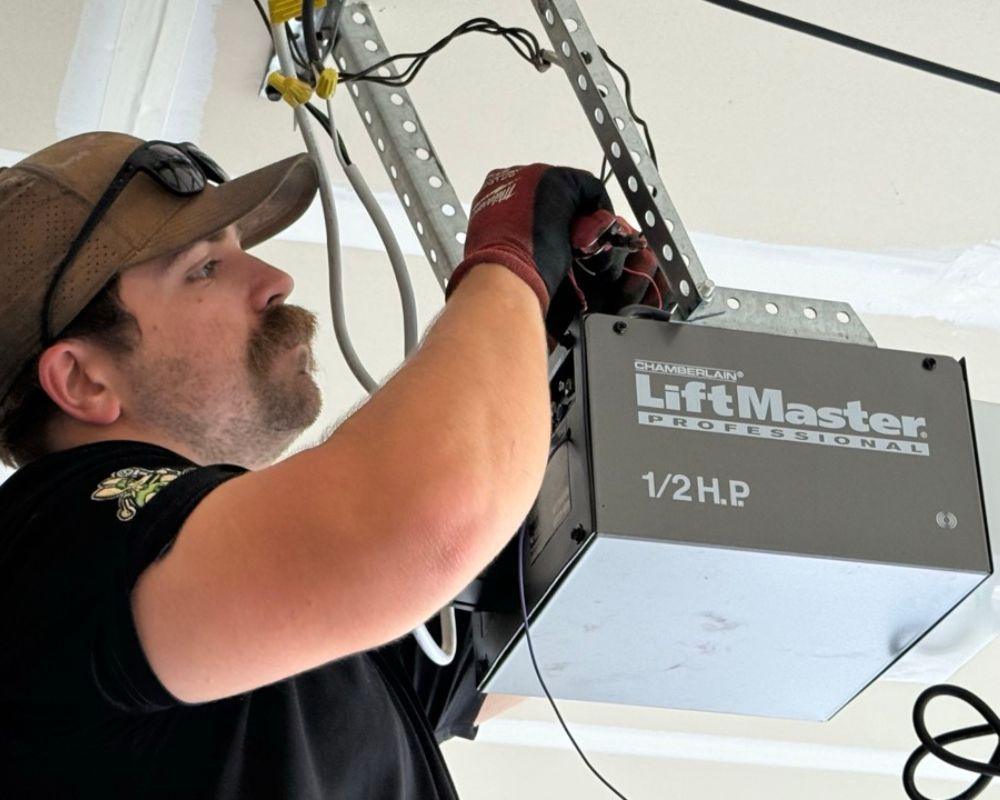
For most Minnesota homes, the best garage door opener is a quiet belt-drive model with battery backup, Wi-Fi connectivity, and the correct motor strength for the door. This combination works well for attached garages, insulated doors, winter power outages, and everyday use throughout Minneapolis-St. Paul.
Reviewed by: Joe Schwartz, owner of Mr. Spring Garage Doors. Last updated August 5, 2026.
Estimated read time: 12 minutes.
This guide helps you find the right garage door opener without guessing. It compares drive type, horsepower, quiet operation, smart features, cost, reliability, and professional installation for Twin Cities homes.
Use this as a buyer's guide, then have the door checked before you install anything. The opener should move a balanced door, not hide spring, track, roller, or cable problems.
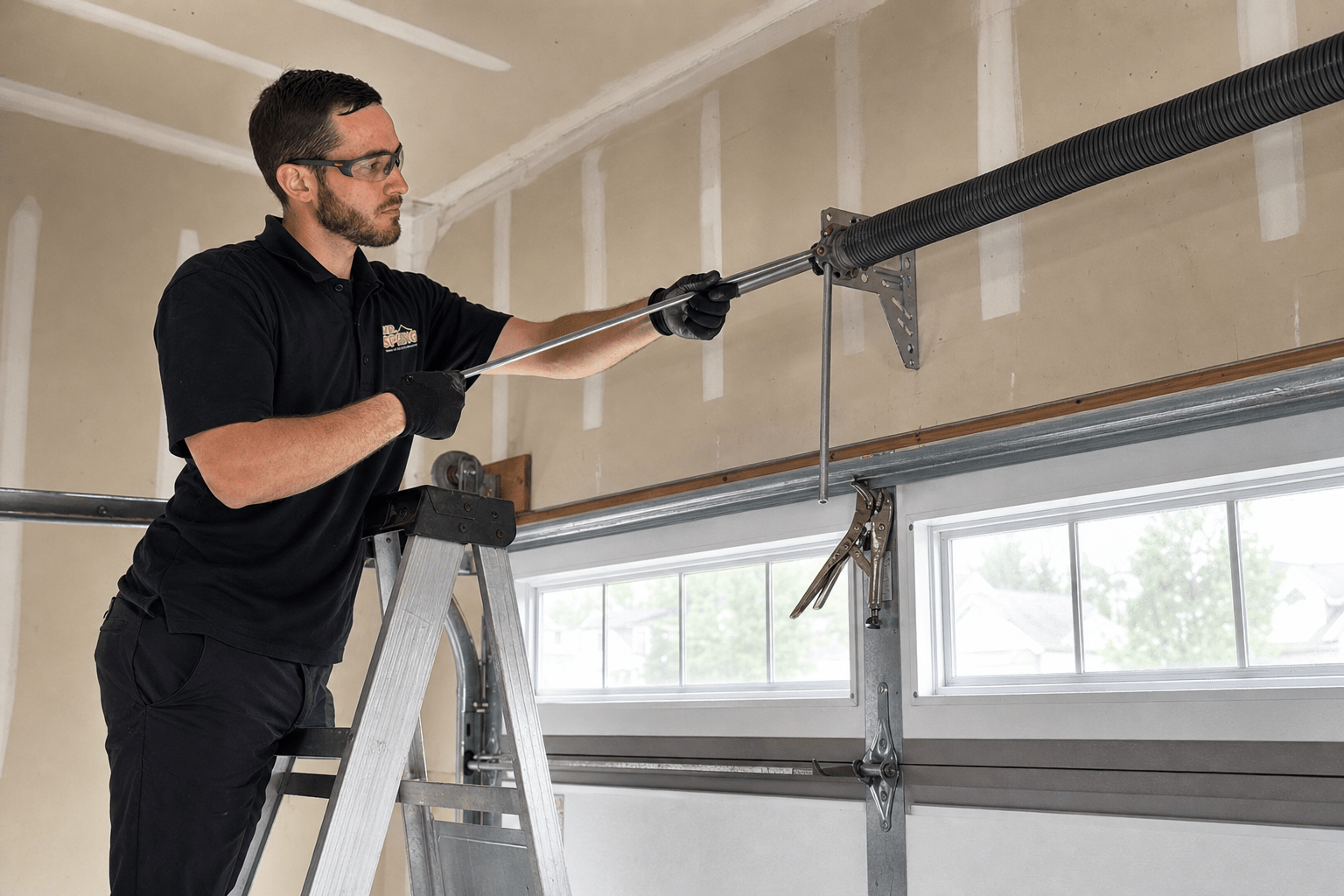
Disclaimer: This guide is for general homeowner education. Garage door opener selection, installation, wiring, spring balance, and safety sensor work can vary by door weight, hardware, and local conditions. Do not adjust torsion springs or bypass safety devices. Have a qualified technician inspect the door before choosing or installing an opener.
The number one opener for most Minnesota homeowners is a quiet belt drive unit with backup power and connected controls. Choose a professional-grade system for heavy insulated doors, a retail smart unit for value, and a simple chain unit for detached garages.
Call Mr. Spring at (612) 416-0091 if you want help choosing the right opener before buying one.
For diagnosis or replacement advice, visit Mr. Spring's Garage Door Opener Repair page.
This table gives the main recommendation before the deeper comparison.
| Need | Best Type | Brands to Compare | Main Benefit | Watch-Out |
| Top pick | Belt drive | LiftMaster, Chamberlain | Quiet daily use | Higher product cost |
| Budget detached garage | Chain drive opener | Genie, Craftsman | Lower price | More vibration |
| Smart garage door opener | Connected belt unit | Chamberlain, Genie | Phone alerts | Check app support |
| Ceiling storage | Side-mount unit | Professional brands | Open ceiling space | Needs compatible hardware |
The drive setup affects noise, price, vibration, and maintenance. Match it to the garage layout and the weight of the door.
A belt drive garage door opener uses a reinforced belt to move the trolley. This style is usually the quietest choice for an attached home.
Look for belt drive systems when bedrooms, offices, or living areas are close to the garage. An hp belt drive unit with a DC motor can run smoothly when the door is balanced.
A chain rail uses a metal chain. It is strong, common, and usually more affordable than quieter drive types.
Chain-drive and chain-driven systems make sense for detached garages, standard steel doors, and homeowners who care more about price than sound.
A screw-style unit uses a threaded rod. It can be compact, but cold weather and lubrication changes make it less attractive for many Minnesota garages.
A side-mounted opener fits beside the door instead of on the ceiling. This type helps when you need storage above the vehicle, have a high ceiling, or want a cleaner finished garage.
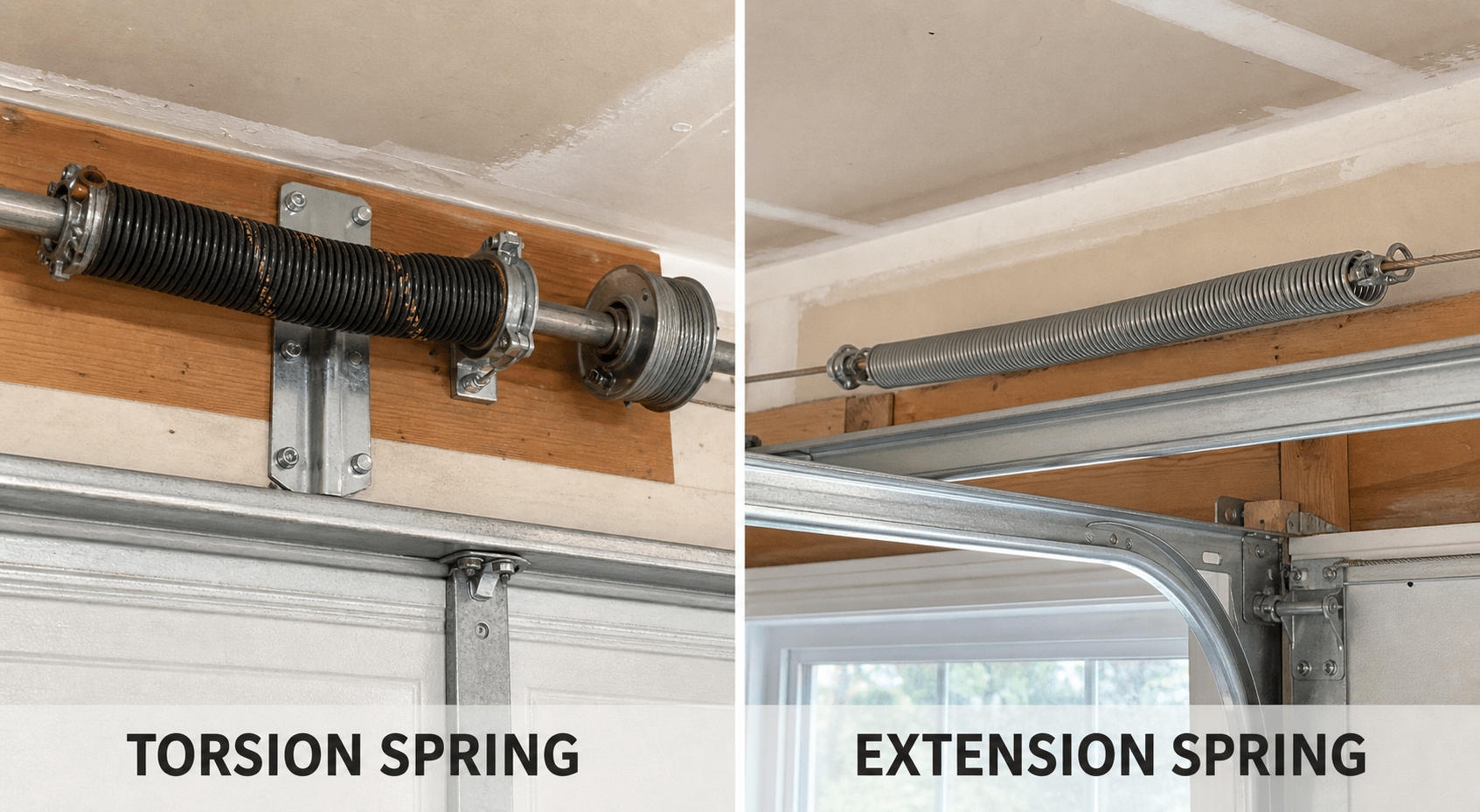
Side-mount units usually need a torsion spring system and proper side clearance. A technician should confirm compatibility before installation.
The right brand depends on how the opener will be installed. Professional lines are strongest for technician-led installation. Retail lines are strong for smart value. Genie is practical for budget and mid-range replacement.
This professional line is commonly installed by garage door companies and fits heavier insulated doors, premium connected options, and long-term service needs.
This retail line is widely available and often includes myQ app control, a wireless keypad option, LED light features, and connected accessories. Smart options should be chosen for useful controls, not extra features nobody uses.
This brand offers chain, belt, side-mount, and connected options. The connected app supports remote access, alerts, scheduling, and guest access on many Genie openers.
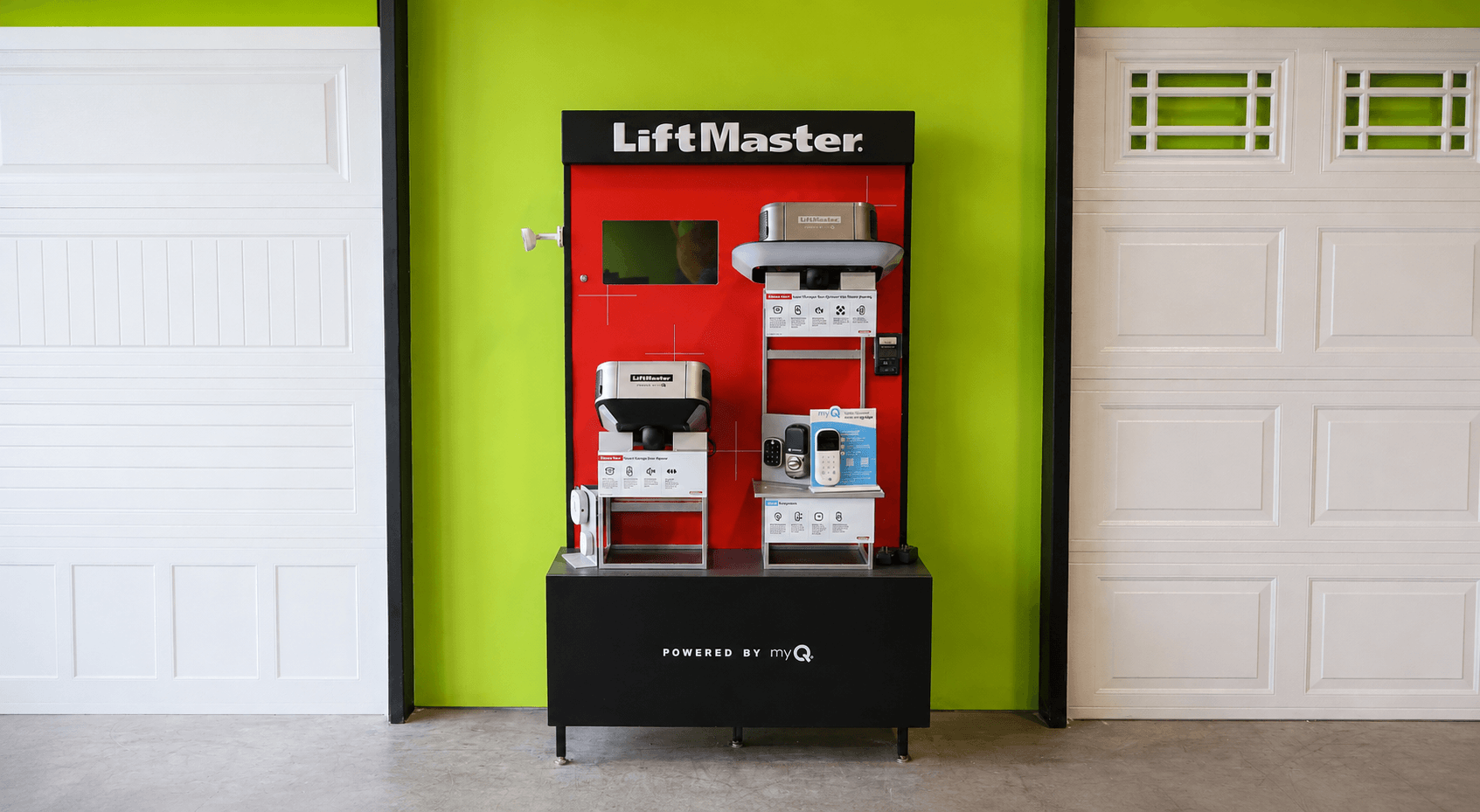
The professional brand is better when you want dealer installation, serviceability, and a system selected for your exact door. Chamberlain is better when you want retail availability and connected features at a lower product price.
Both can be reliable. The better pick depends on door size and weight, layout, budget, and who installs the opener.
Reliable opener brands include the major professional and retail names when the opener is installed on a balanced door. Brand matters, but installation matters more.
The U.S. Consumer Product Safety Commission says a balanced garage door should stay in place when stopped partly open. If garage doors bind, stick, or fall, they should be serviced before the motor is blamed.
A 1/2 HP opener can work for many standard home doors. A 3/4 HP opener is often better for insulated double doors, heavier wood door designs, and high-use garages. Home Depot's buying guide lists 1/2 HP for doors up to 350 pounds and 3/4 HP for doors up to 600 pounds.
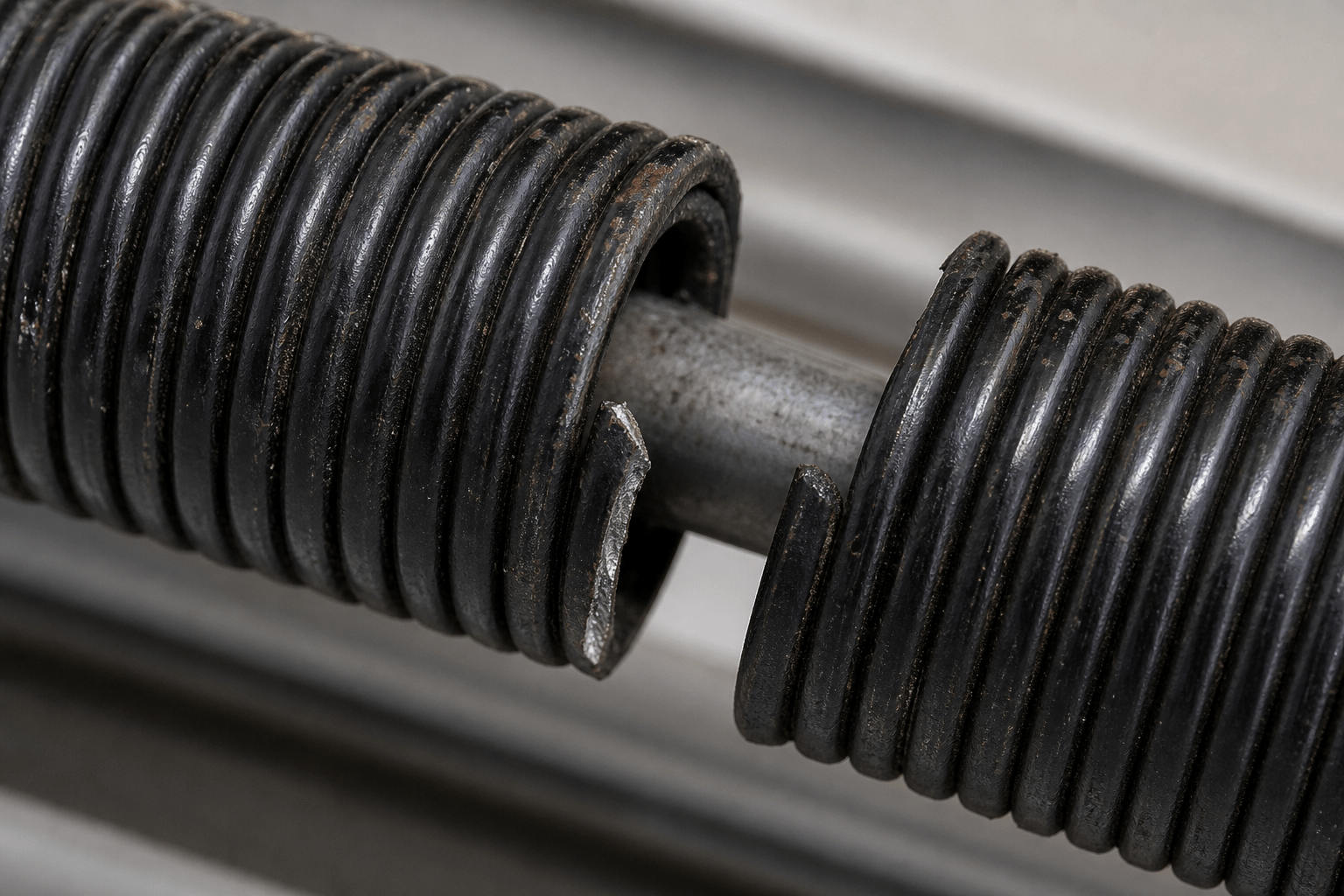
A stronger motor should not compensate for weak springs or poor balance.
The best winter setup has backup power, a smooth motor, safety photo eyes, and enough lifting capacity for the door. Cold weather can stiffen old grease, expose weak springs, affect rollers, freeze bottom seals, and make insulated doors harder to move.
Before replacing an old garage door opener, check balance, rollers, hinges, tracks, seals, sensor alignment, remotes, wall control, control panel, and garage signal strength.
The lowest-noise option is usually a belt-driven model with a smooth motor. A side-mounted unit can also be quiet because the motor is not centered on the garage ceiling.
Quiet operation matters most for attached garages, bedrooms over the garage, home offices, and early-morning use.
The best smart garage door setup includes built-in Wi-Fi, phone alerts, remote control, guest access, scheduled closing, rolling code technology, and app-based status checks.
A modern app can open and close the door, operate your garage door from anywhere, check the status, and alert you if it is left open. Some systems work with voice assistants through supported integrations.
These products use myQ technology. Genie uses Aladdin Connect. Always verify current support for HomeLink, Apple Home, Amazon Key, and voice platforms before buying.
Compare brands by buying channel, smart platform, warranty language, accessories, and final installed cost.
| Brand | Best For | Smart Platform | Warranty Note | Cost Position |
| Professional line | Dealer installation | myQ | Varies by model | Higher |
| Chamberlain | Retail smart value | myQ | Varies by seller and model | Mid-range |
| Genie | Budget and standard replacement | Aladdin Connect | Limited warranties vary by product | Budget to mid-range |
| Linear / Marantec | Specialty installs | Varies | Installer dependent | Mid-range to premium |
Warranty details change by model, so check the owner's manual before buying. This is especially important when comparing cameras, smart accessories, rails, belts, motors, and remotes.
Published installed price ranges help homeowners compare real options instead of looking only at shelf price. The final price depends on opener type, motor strength, connected features, rail length, lighting, accessories, old opener removal, and whether the door needs balance or bracket work.
| Opener Type | Typical Equipment Range | Typical Installed Range | Best Fit |
| Basic chain unit | $150-$300 | $450-$750 | Detached garages and budget replacements |
| Smart chain unit | $200-$400 | $550-$850 | Value-focused smart access |
| Belt unit | $250-$600 | $650-$1,100 | Attached homes and quieter daily use |
| Belt unit with camera | $400-$800+ | $850-$1,400+ | Smart monitoring and premium convenience |
| Side-mount unit | $500-$1,000+ | $1,100-$1,800+ | High ceilings, ceiling storage, and compatible torsion setups |
Call (612) 416-0091 for opener pricing and scheduling. Mr. Spring can confirm the right installed range after checking the door, opener location, rail needs, controls, and safety setup.
Repair may make sense if the opener is newer and the issue is limited to a remote, keypad, gear, belt, chain, or travel setting.
Replacement may make more sense if the opener is 10-15 years old, loud, shaky, missing modern safety features, or inconsistent in cold weather. Pre-1993 openers should be replaced because modern external entrapment protection became required after that safety update.
Some opener kits support DIY installation. Home Depot estimates installation can take about 3 to 4 hours, especially when removing an old unit.
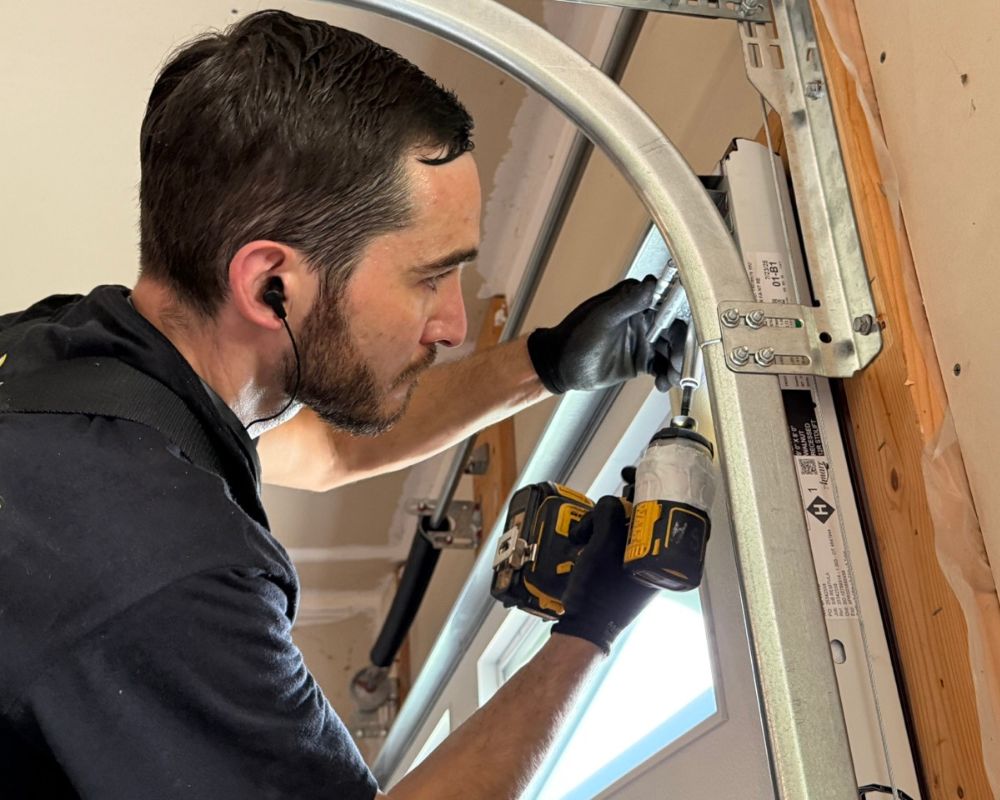
Hire a professional if the door is heavy, insulated, older, used daily, or paired with a side-mounted opener. Do not adjust torsion springs yourself.
Use smart home compatibility to find the best practical match and choose the right setup, but do not ignore the door itself.
Start with the door, then choose the opener. To discover the best fit, review the garage layout, residential garage use, door weight, smart needs, noise level, and winter conditions.
For most Minnesota homeowners, choose a quiet opener with connected access, backup power, and the right motor strength for the door. It gives the best mix of quiet operation, security, and winter reliability without extra bells and whistles.
Mr. Spring can inspect your garage door, confirm the right opener type, and recommend options for your home, garage layout, and winter needs.
Ask About Garage Door Opener Options
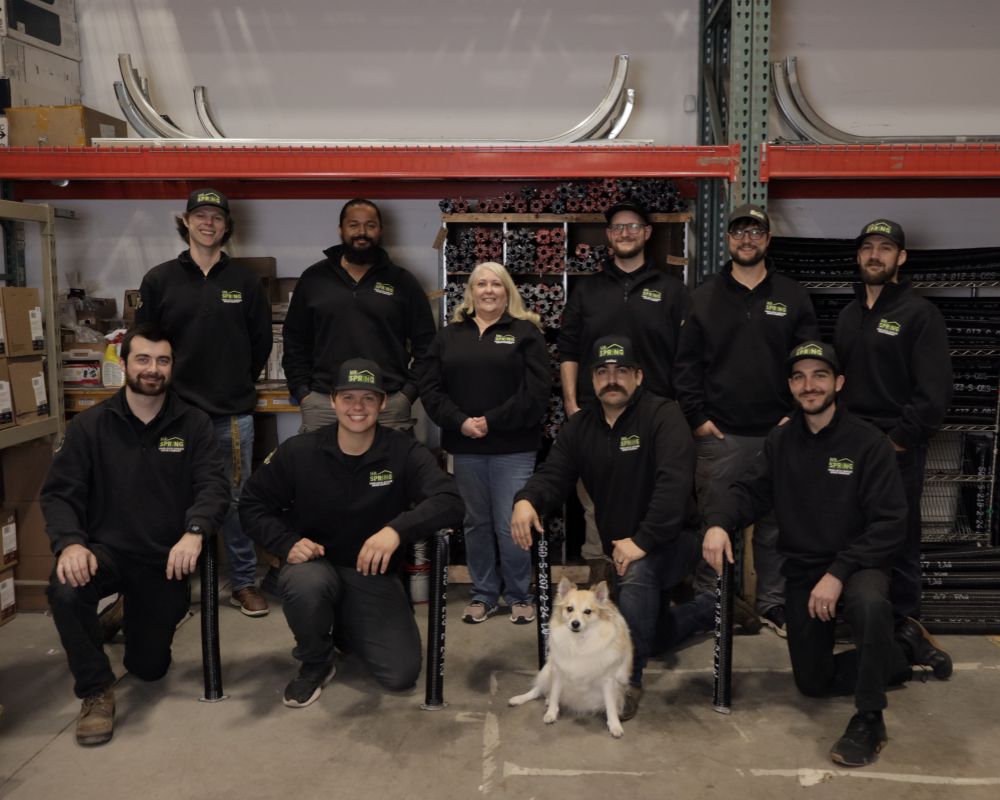
Mr. Spring Garage Doors installs and replaces residential garage door openers for Twin Cities homeowners, including quiet belt drive openers, durable chain drive openers, smart Wi-Fi openers, battery-backup systems, keypads, remotes, and wall-mount opener options when the door hardware is compatible.
Most standard opener replacements fall in the $450-$1,100 installed range, while premium smart, camera, battery-backup, or side-mount installations often range from $850-$1,800+ depending on the opener, rail setup, accessories, and door condition.
Scheduling is usually fast, with same-day or next-available appointments offered when the route allows. A technician can inspect the door balance, confirm the correct opener strength, remove the old unit when needed, install the new opener, program controls, and test the safety system before leaving.
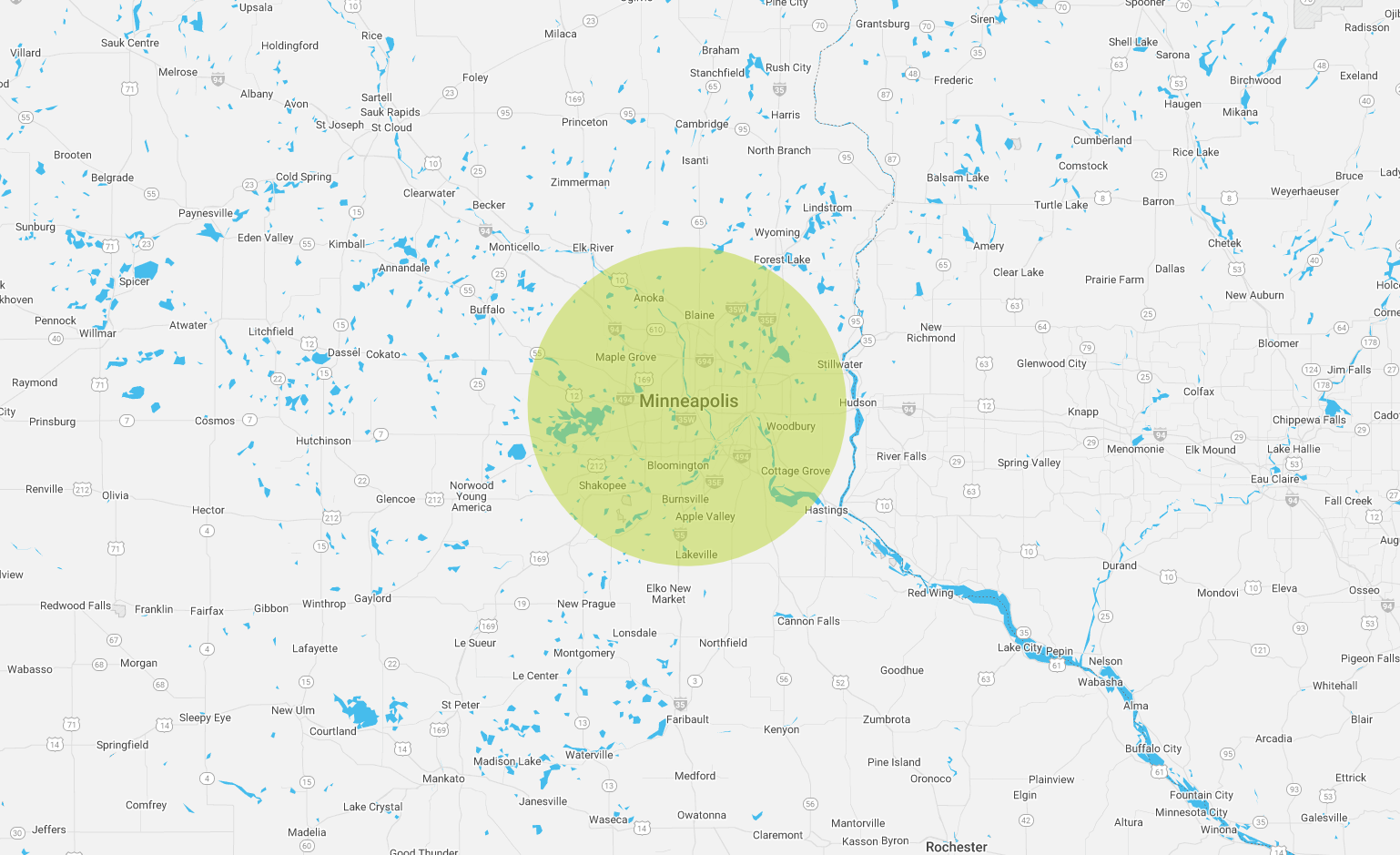
Mr. Spring serves Minneapolis, St. Paul, and the surrounding Twin Cities metro. If you want an opener recommendation for your home, call now and ask about garage door opener installation options.