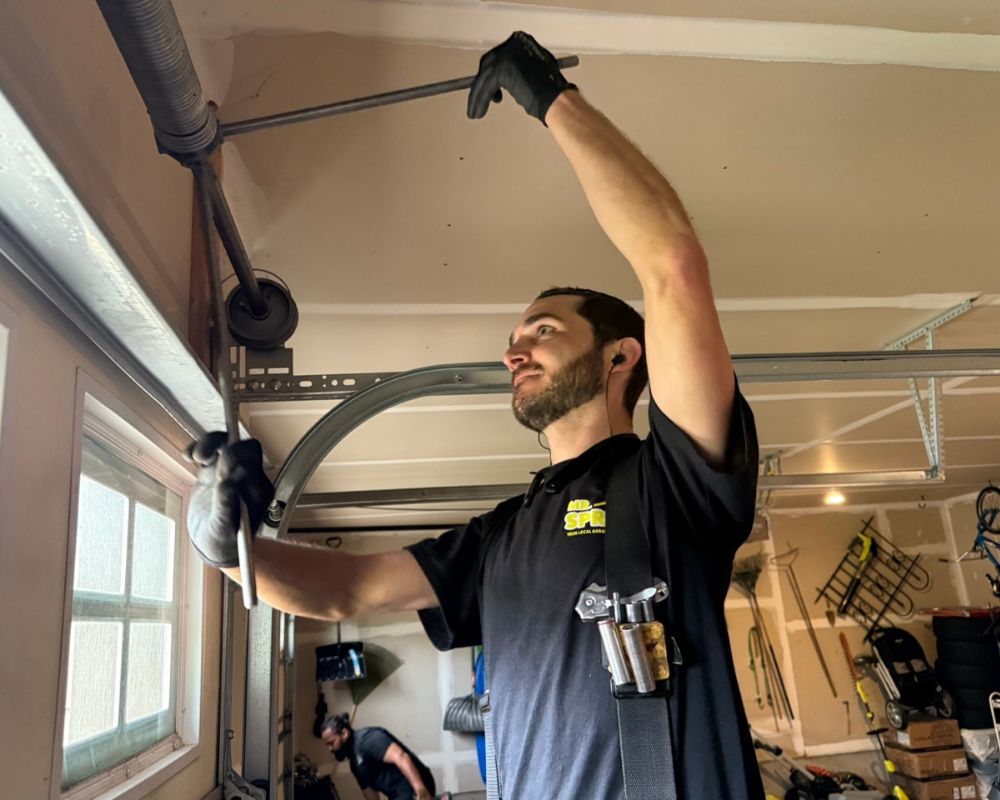
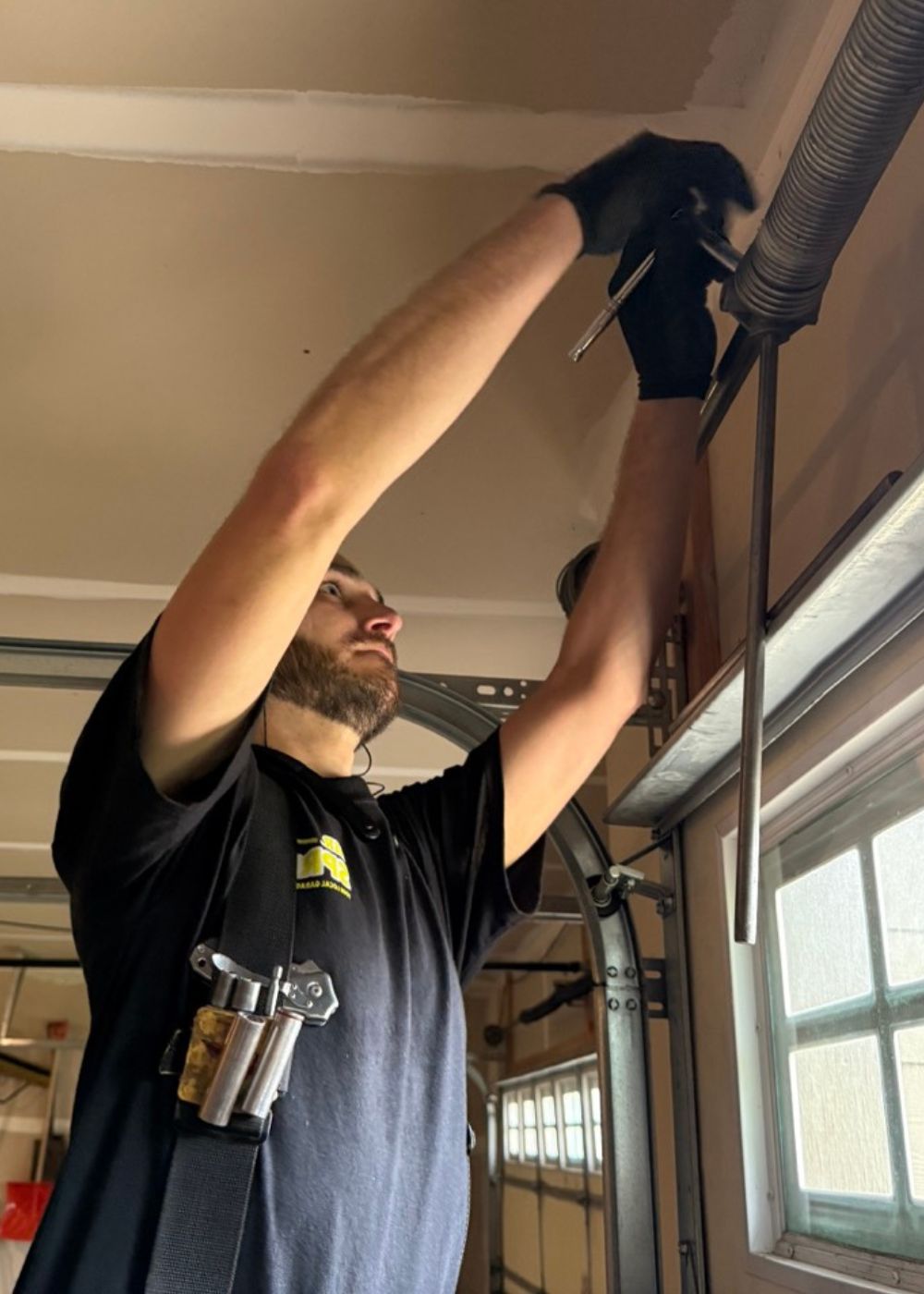
The most common warning signs of a failing garage door spring are loud noises during operation, a visible gap in the spring's coil, a door that opens crooked or unevenly, and loose or frayed lift cables. Any one of these means the spring is under strain and could snap without warning.
If you notice any of the symptoms below, it's important to stop using the door and have a trained professional inspect the system.
If your garage door is showing any of these symptoms, professional service is strongly recommended. Spring systems are under extreme tension and require specialized tools and training to repair safely.
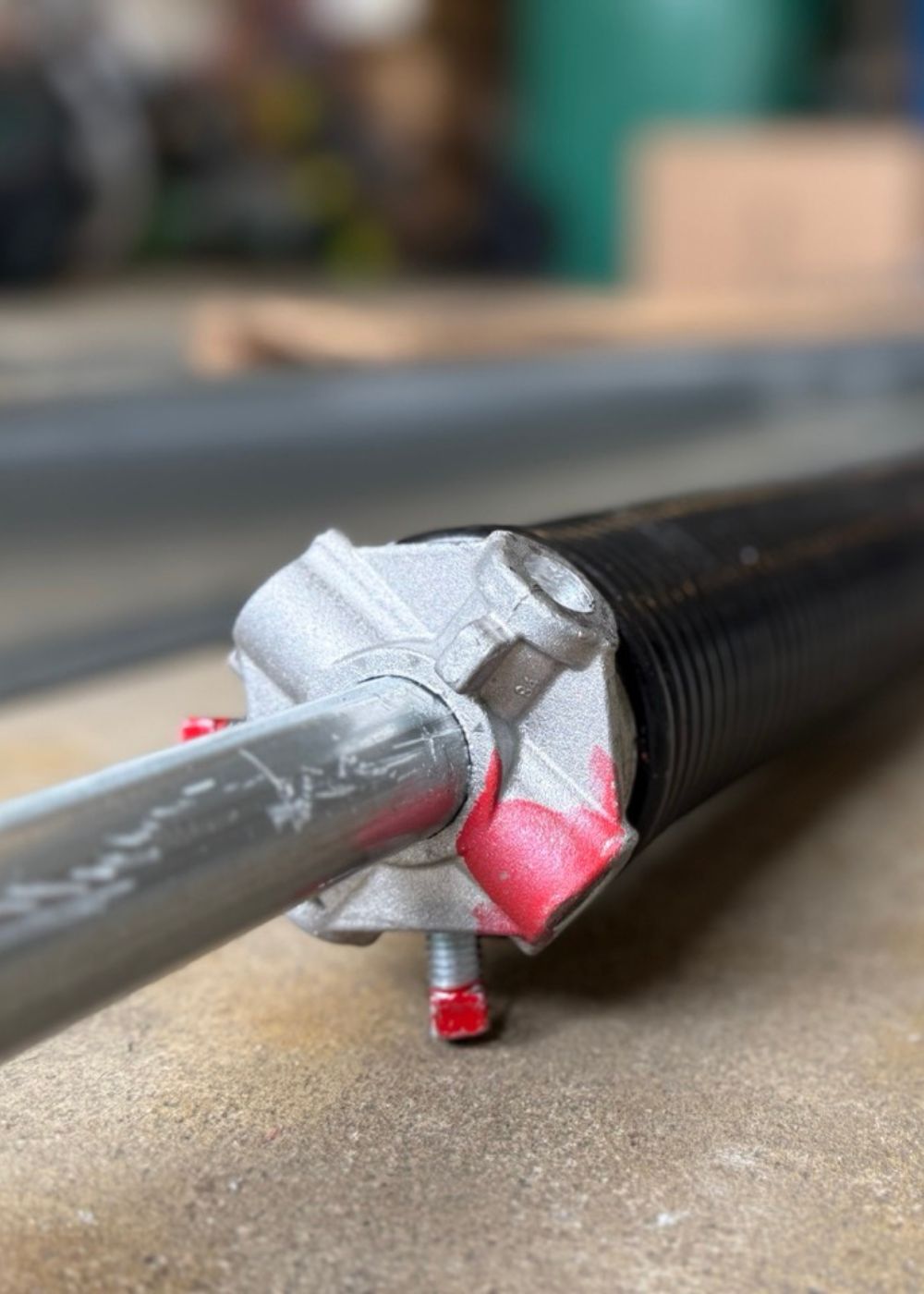
Garage door springs wear out and fail mainly from cycle fatigue after thousands of open-and-close cycles, rust and corrosion, lack of routine maintenance, and extra strain from an unbalanced or overweighted door. Daily use, exposure to the elements, and lack of routine maintenance all place stress on the metal over time, and when a spring finally fails, it often happens suddenly and without warning.
Garage door springs are built to handle thousands of open-and-close cycles, but even the strongest springs will eventually wear out. Daily use, exposure to the elements, and lack of routine maintenance all place stress on the metal over time. When a spring finally fails, it often happens suddenly and without warning. Understanding the most common causes of spring failure can help homeowners recognize risks early and take steps to extend the life of their garage door system.
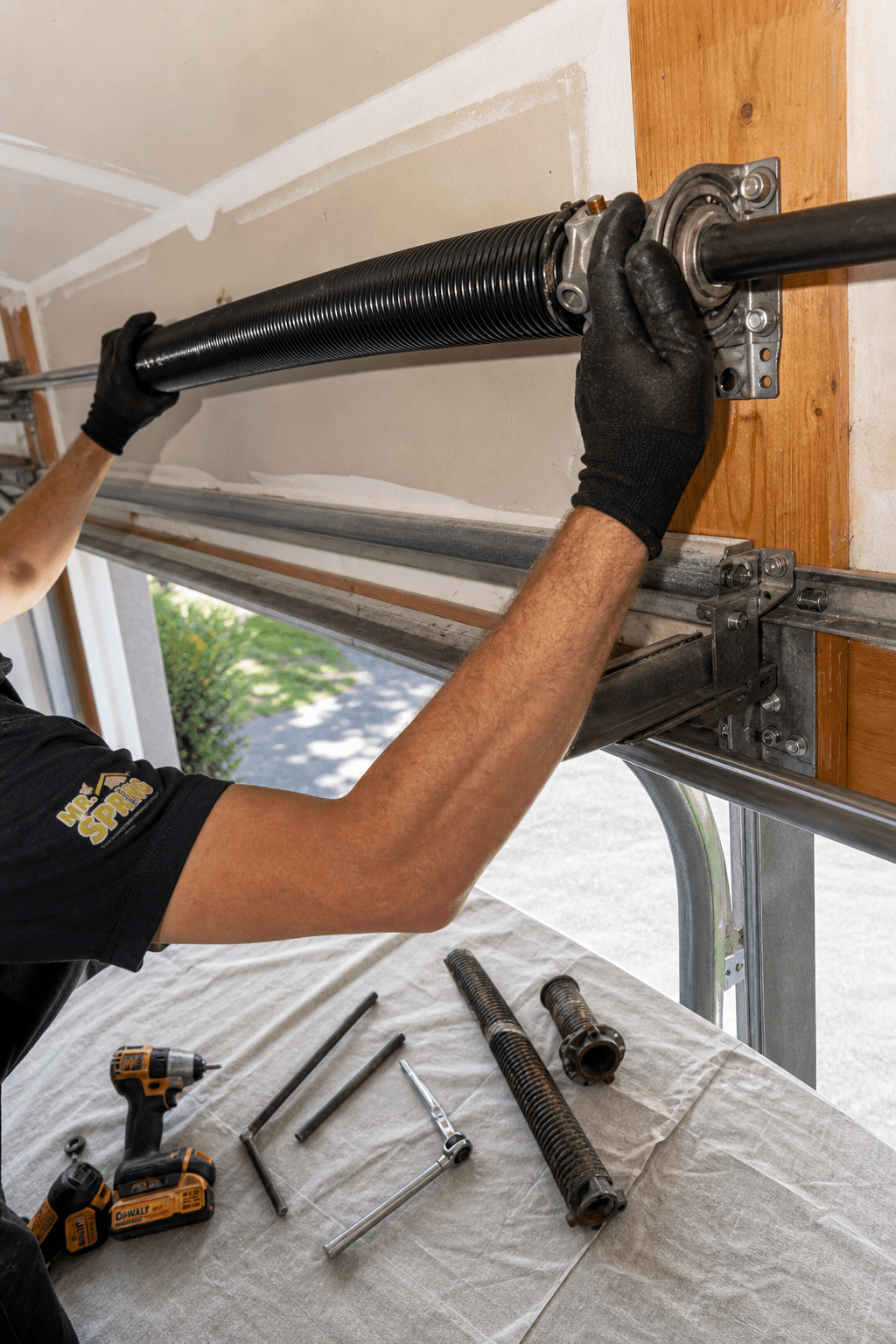
Garage door spring replacement in the Twin Cities usually runs $250 to $600 per spring, and that includes high-cycle springs at the upper end. The exact price depends on how many springs you need, what type they are, and a couple of other factors. Here's a closer breakdown so you know what to expect before we show up.
Every job starts with a free, no-obligation estimate, so you'll know the exact price before we touch anything. Plenty of companies around the metro charge $29 to $150 just to come out and look. We don't. For a full breakdown by spring type and door size, see our garage door spring replacement cost guide.
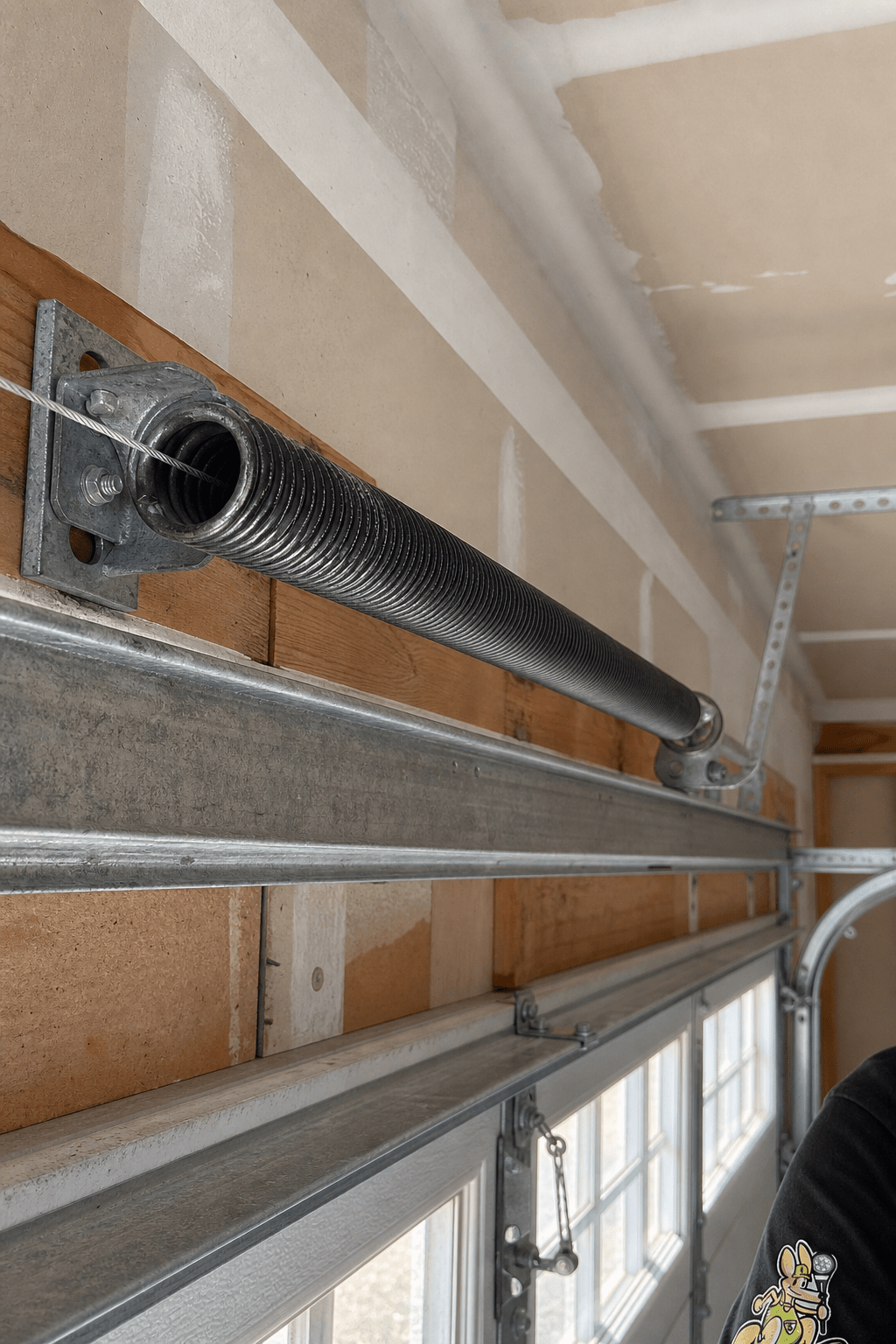
Torsion springs mount horizontally on a shaft above the door and are standard on most homes built or updated after the mid 1990s, while extension springs stretch along the tracks on either side of the door and are more common on older doors. Most garage doors use one of these two spring types, and they're built differently, priced differently, and hold up differently in Minnesota's weather.
Not sure which one you have? Our techs can tell in a couple of minutes during your free estimate. Read our full garage door torsion spring vs. extension spring guide for photos and a deeper breakdown.
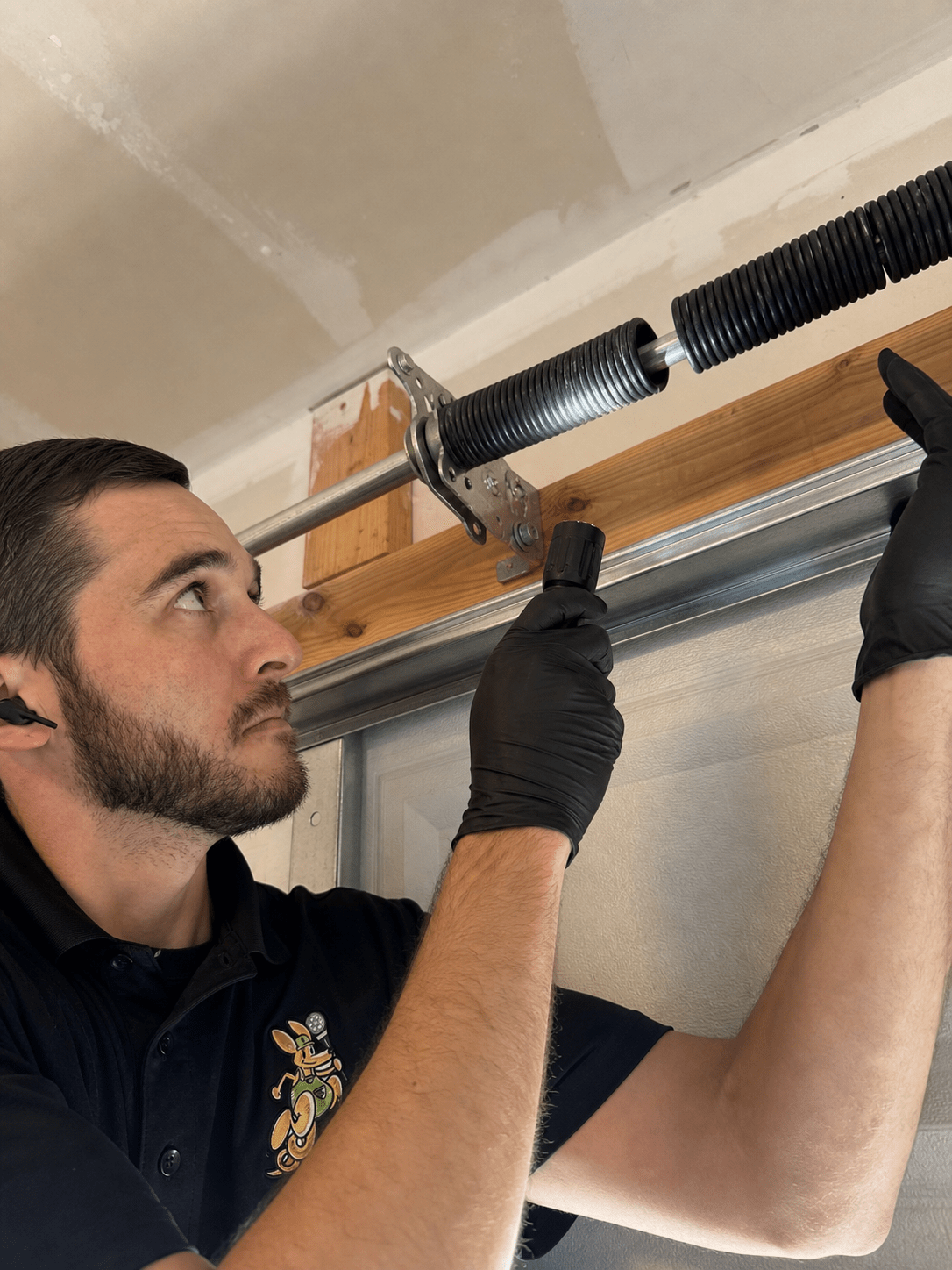
Garage door spring repair almost always means replacing the spring rather than fixing it, since a torsion or extension spring can't be patched once it's stretched, rusted, or broken. Searching "garage door spring repair" usually means something's already gone wrong: a loud bang, a door that won't budge, or a visible gap in the coil.
Hearing that bang, or stuck with a door that won't move? We'll diagnose it for free and give you a straight answer on repair versus replacement before we start any work. For pricing details, see our garage door spring replacement cost guide.
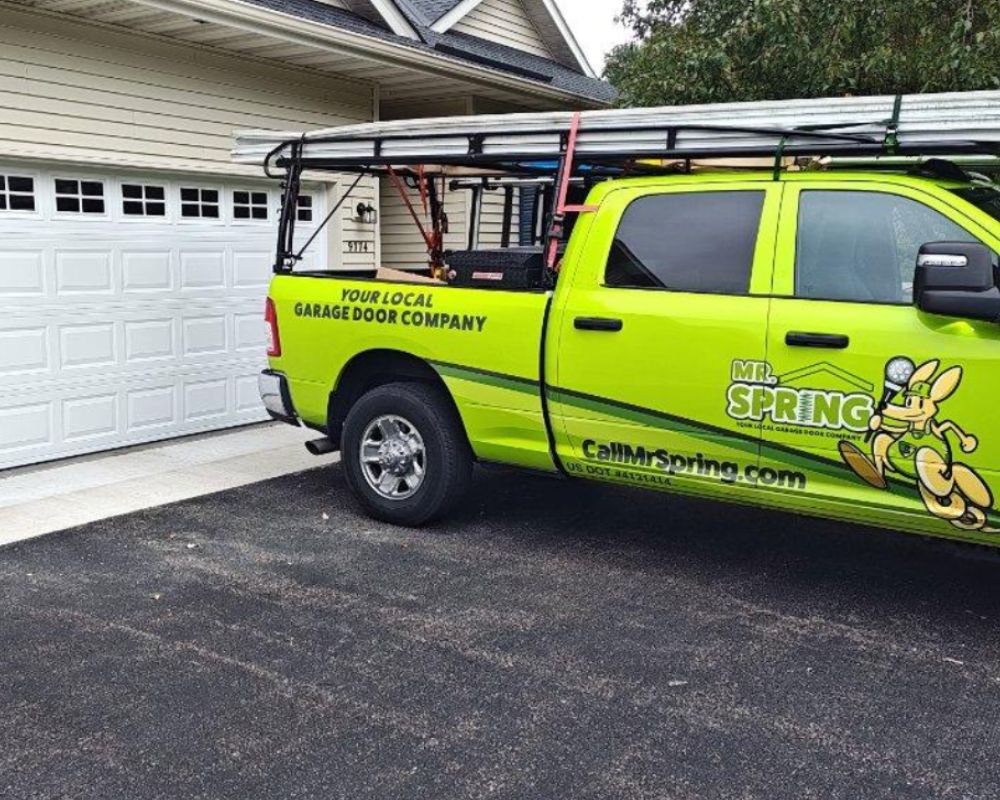
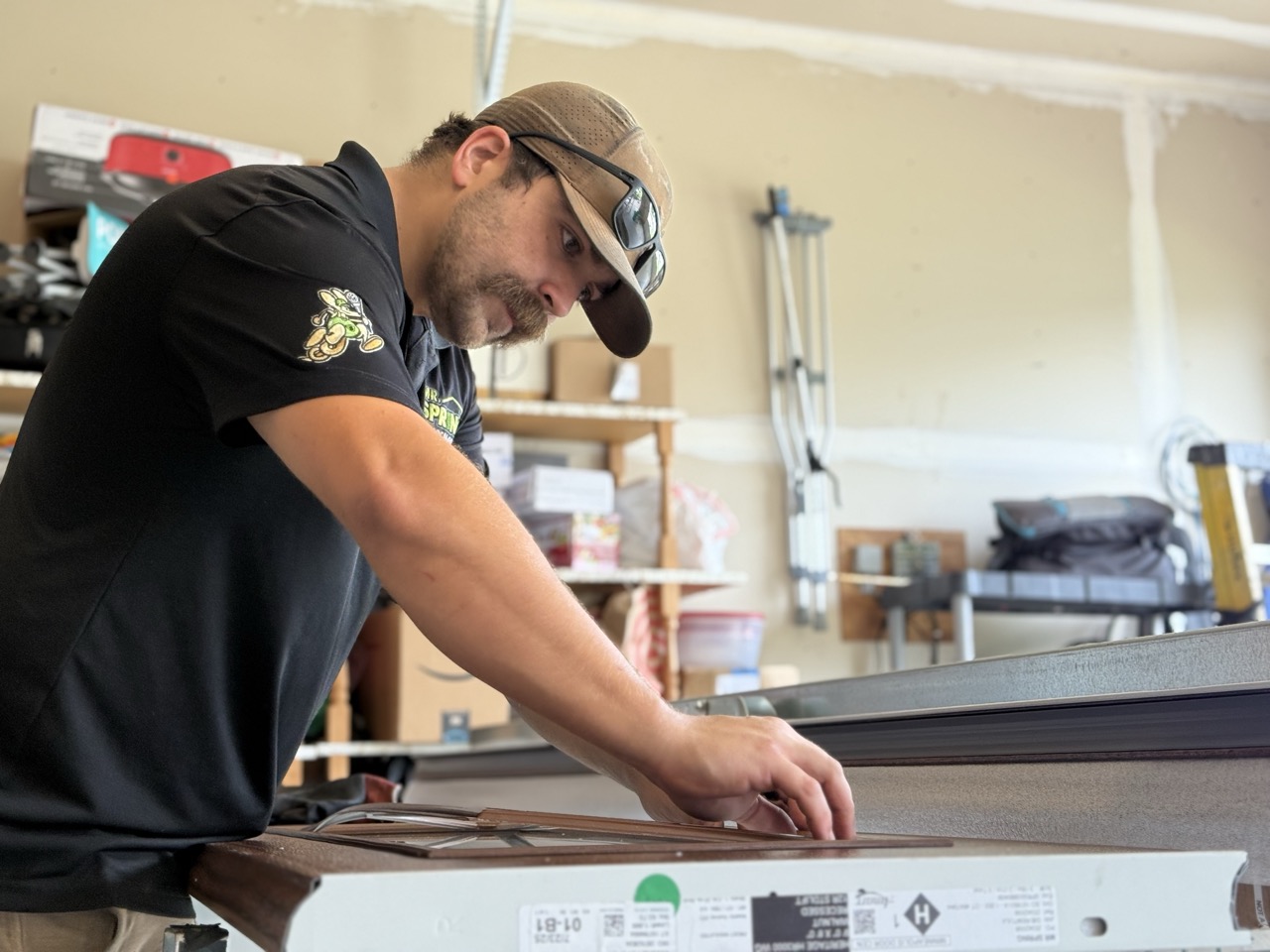
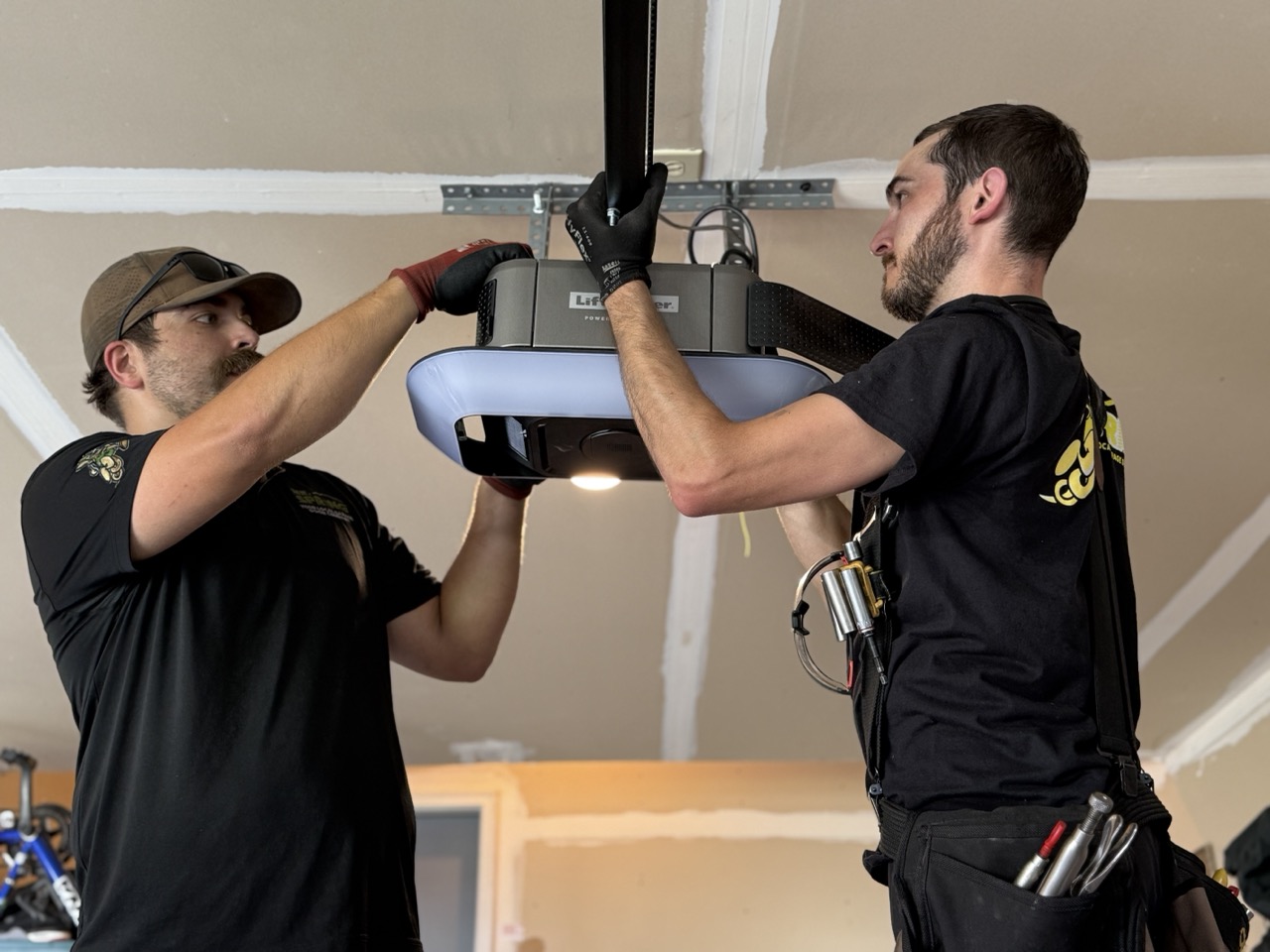
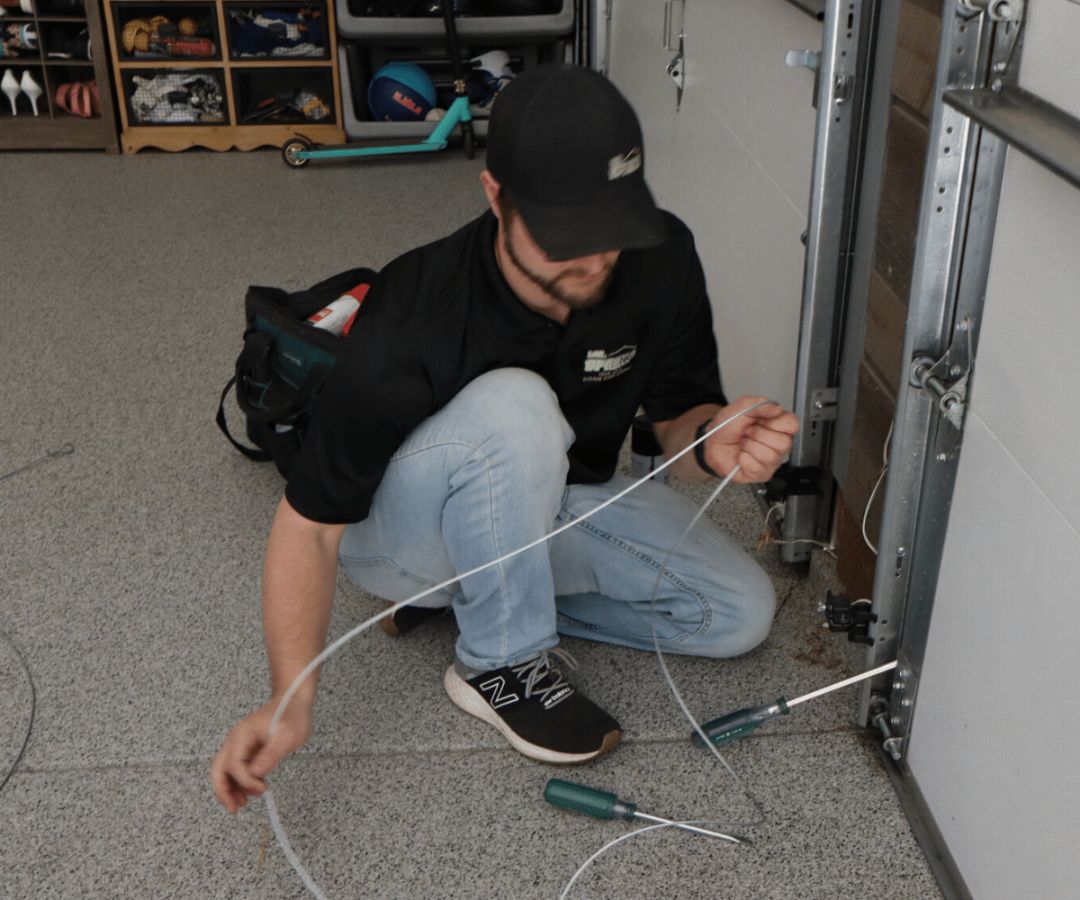
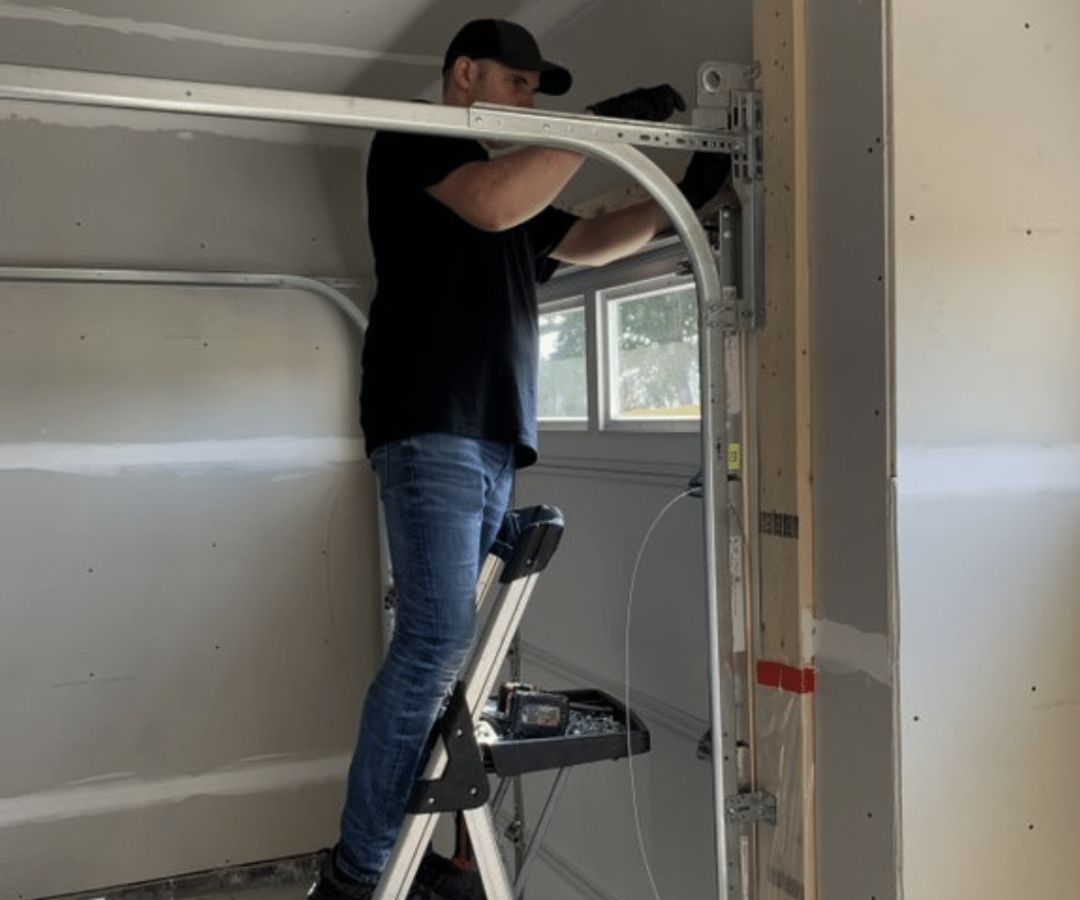
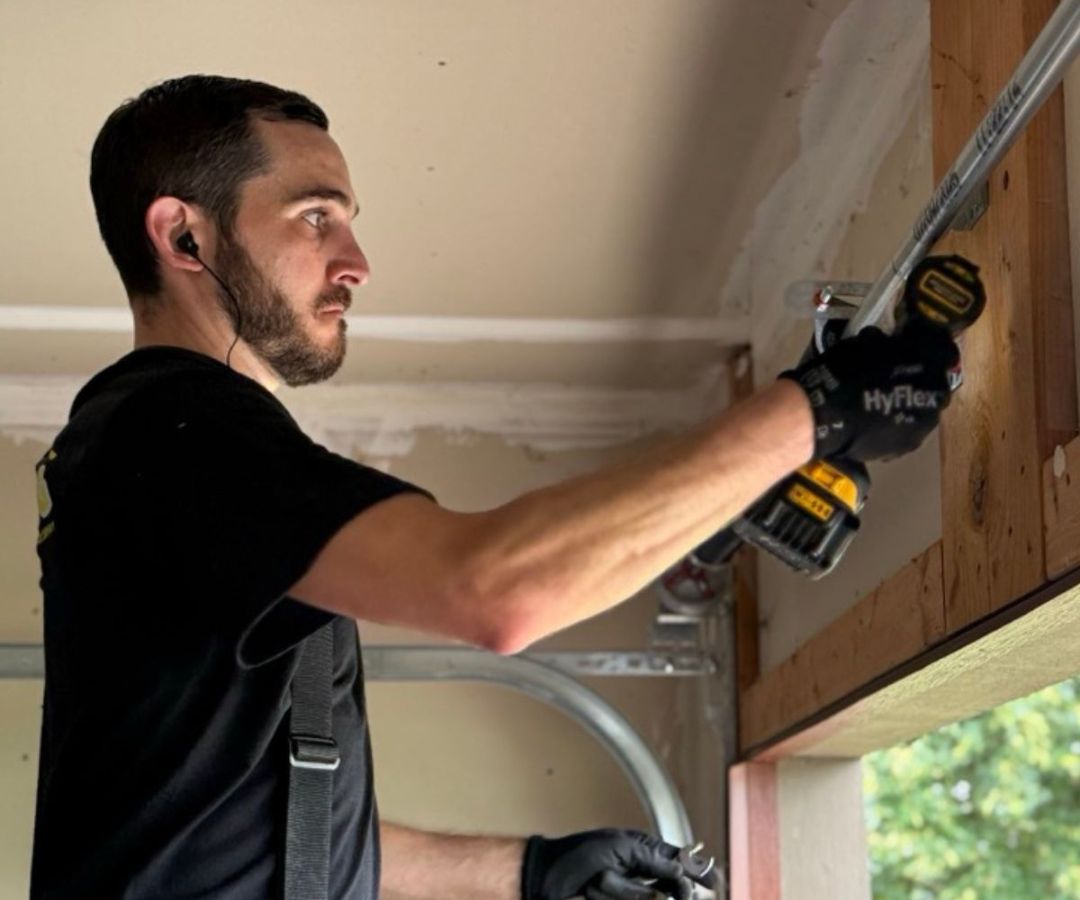
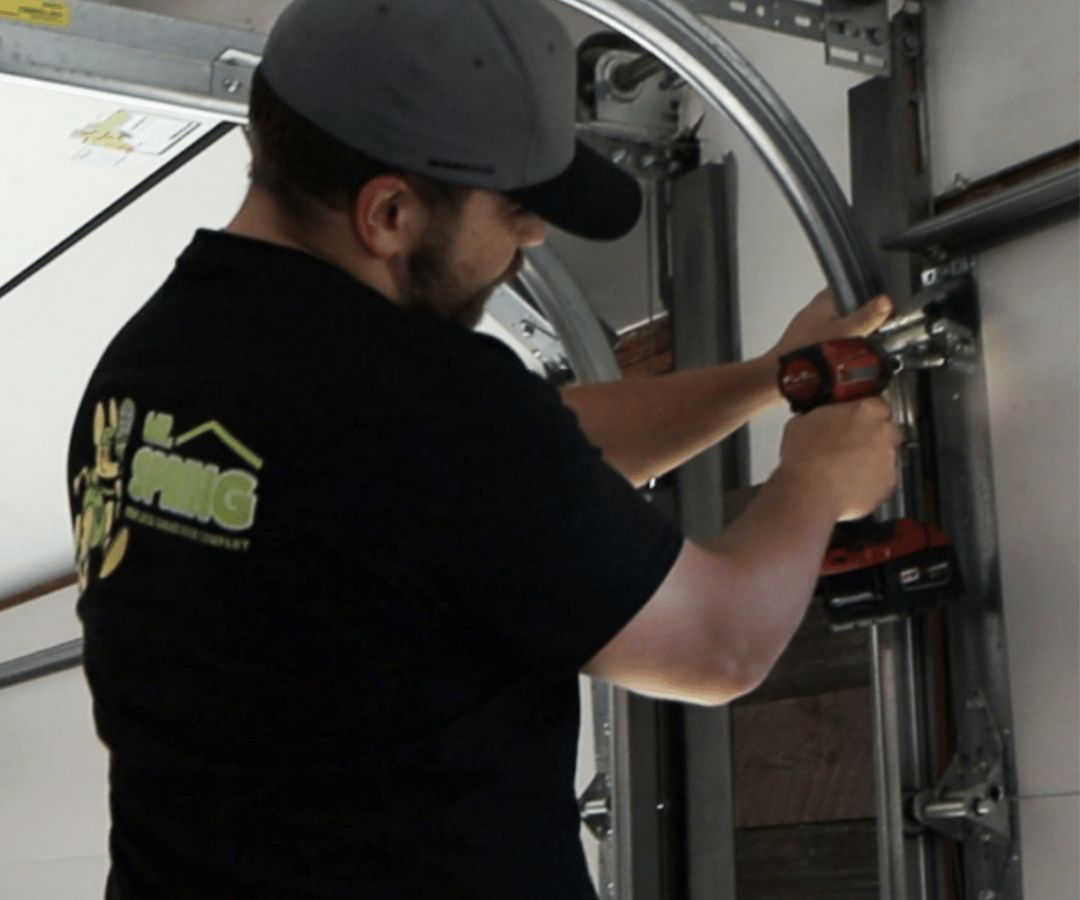
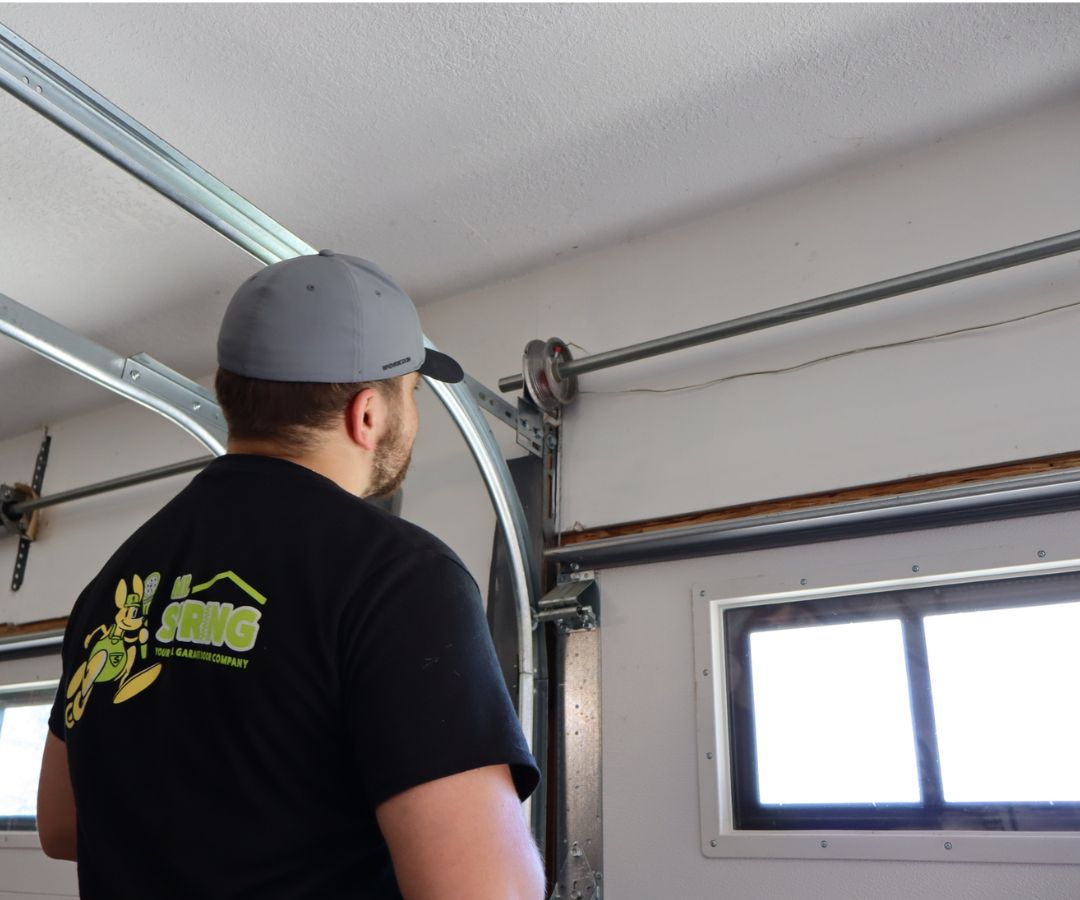
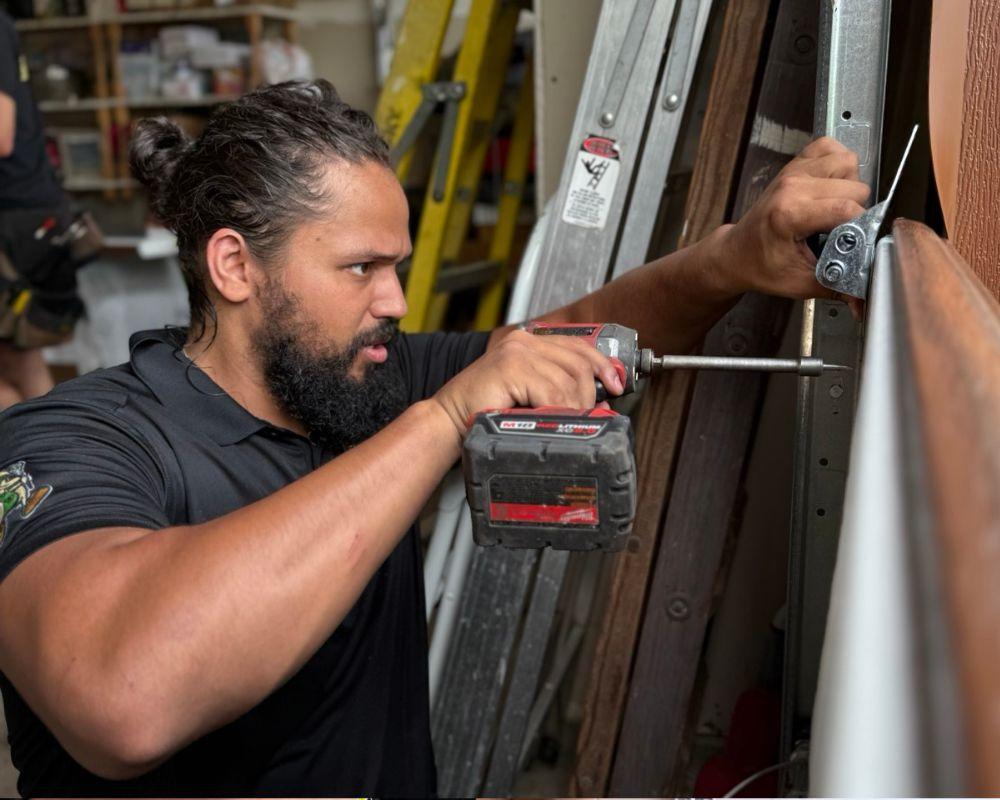
Emergencies happen. Sometimes you need garage door repair super close to your area and you need it now. We do our best to always be there when you need us. Our garage techs are on standby at all times, ready to go in case you’ve fallen victim to a spontaneous garage door issue.




"*" indicates required fields