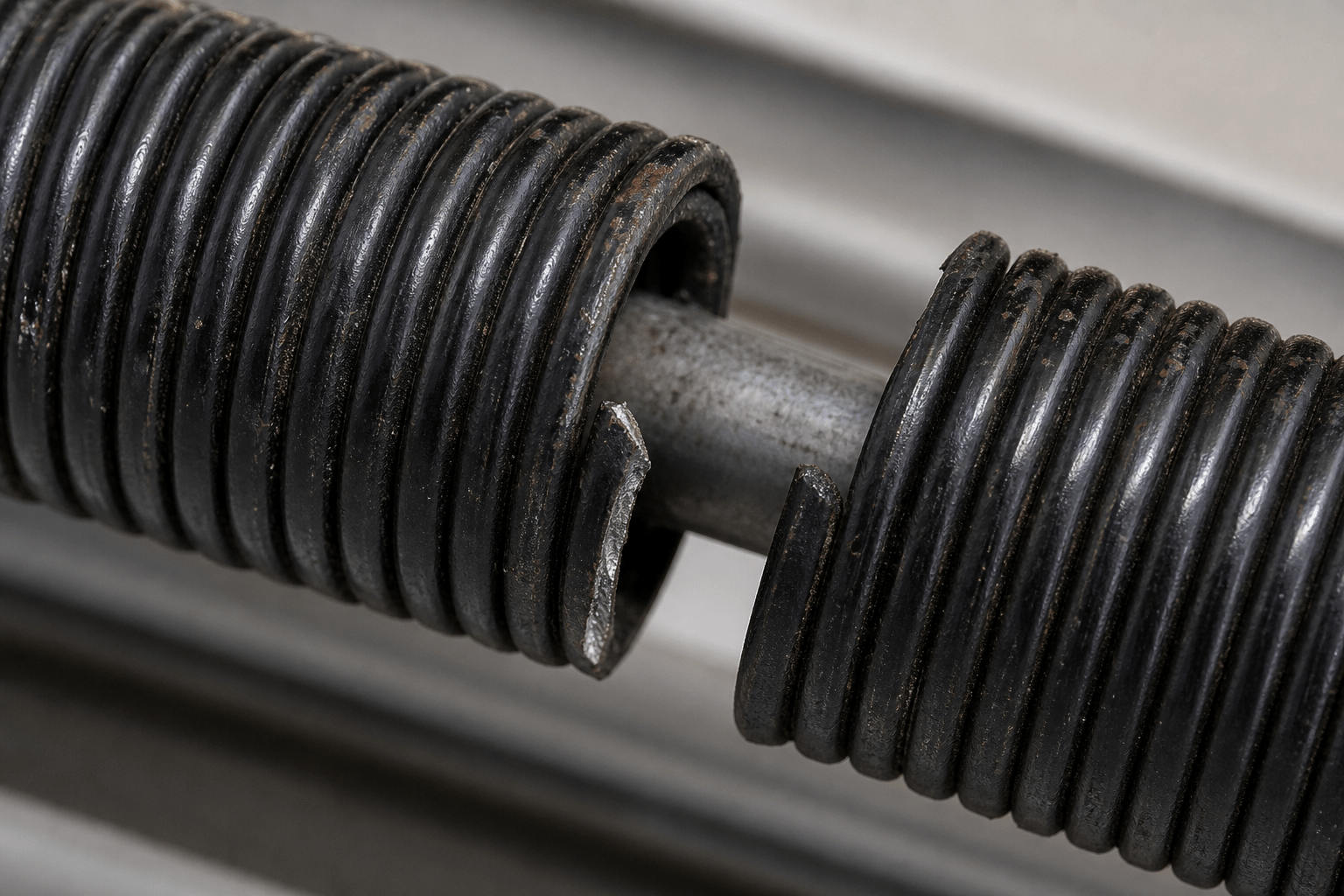
At Mr. Spring Garage Doors, we've responded to thousands of emergency calls that could have been avoided with routine garage door maintenance. A snapped torsion spring, a burned-out opener motor, or a door that has jumped its track rarely happens without warning. In most cases, the system has been showing signs of strain for months.
Preventative maintenance is not an "extra service." It is a financial strategy. When performed consistently and correctly, it protects homeowners from premature replacements, unexpected breakdowns, and escalating repair costs.
Below, we explain exactly how structured garage door maintenance saves money over time and why waiting for failure is almost always the more expensive choice.
Preventative garage door maintenance is a scheduled, systematic inspection and servicing of every component in your garage door system. Unlike reactive repairs — which happen after something breaks — preventative maintenance identifies wear, imbalance, and deterioration before they cause failure.
A thorough preventative maintenance visit typically includes:
Each of these checks takes only minutes individually, but together they create a complete picture of your system's health — and catch problems that would otherwise go unnoticed until they become expensive.
Your garage door system operates under significant mechanical tension. Springs, cables, rollers, and hinges move hundreds of pounds multiple times per day.
Without routine inspection and calibration:
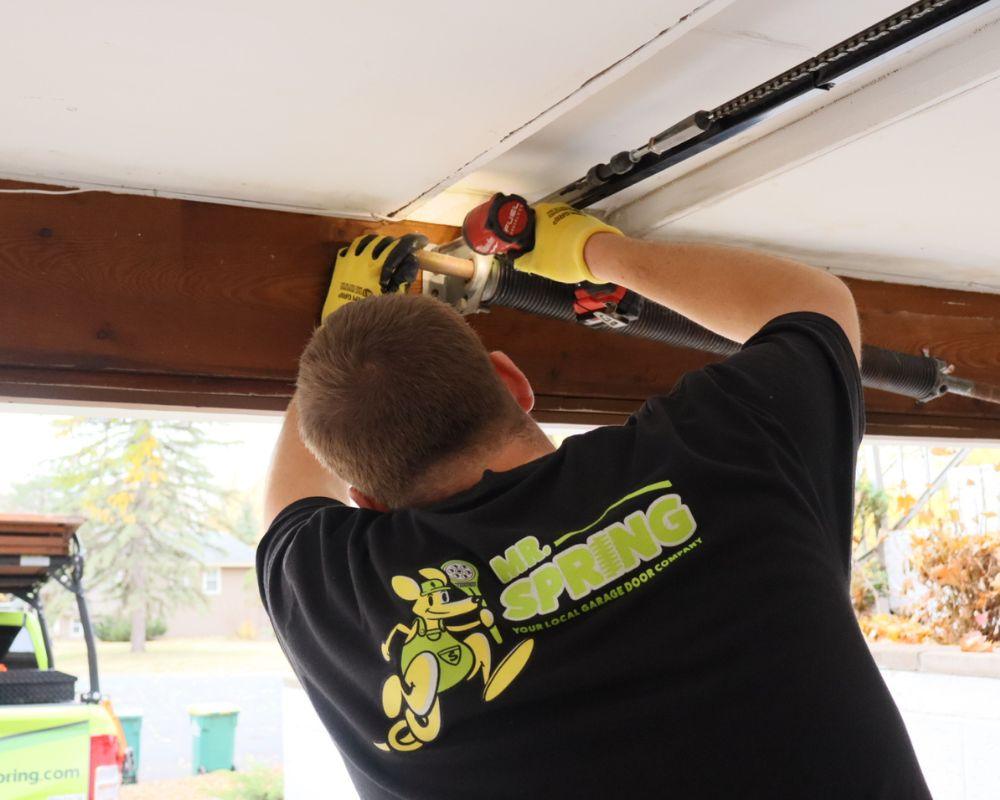
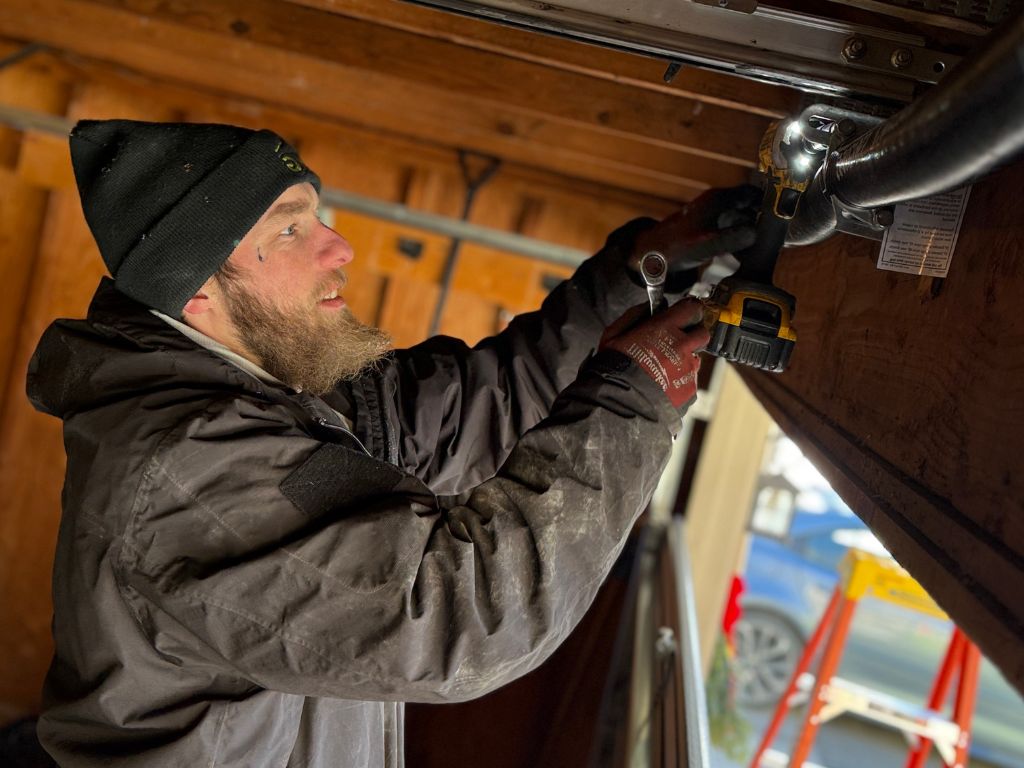
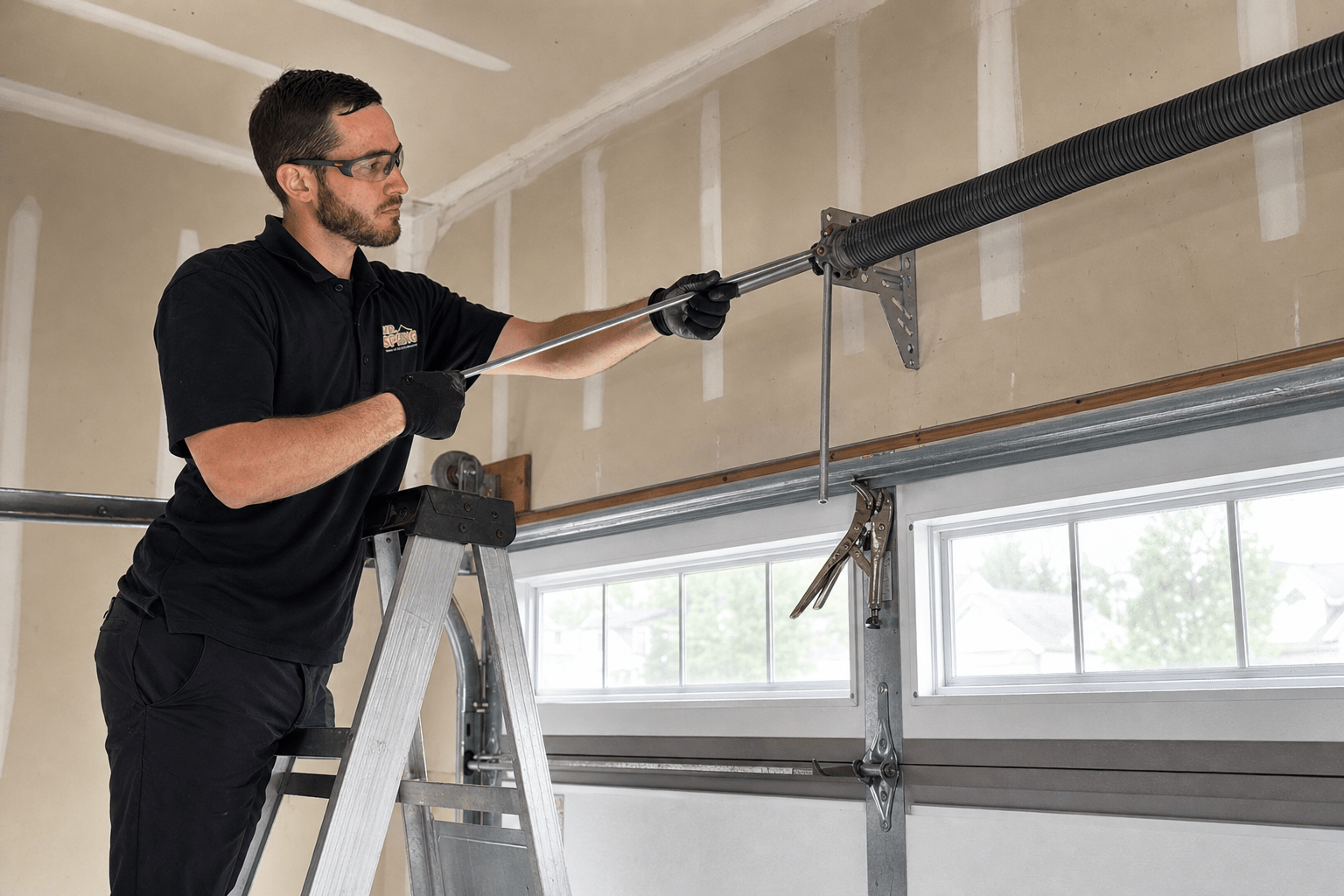
During professional maintenance, we measure spring tension, check cable integrity, and rebalance the door. A properly balanced system reduces strain on every connected component.
The financial impact: Replacing a single spring during a maintenance visit is far less expensive than replacing a spring plus a damaged opener motor caused by excess strain.
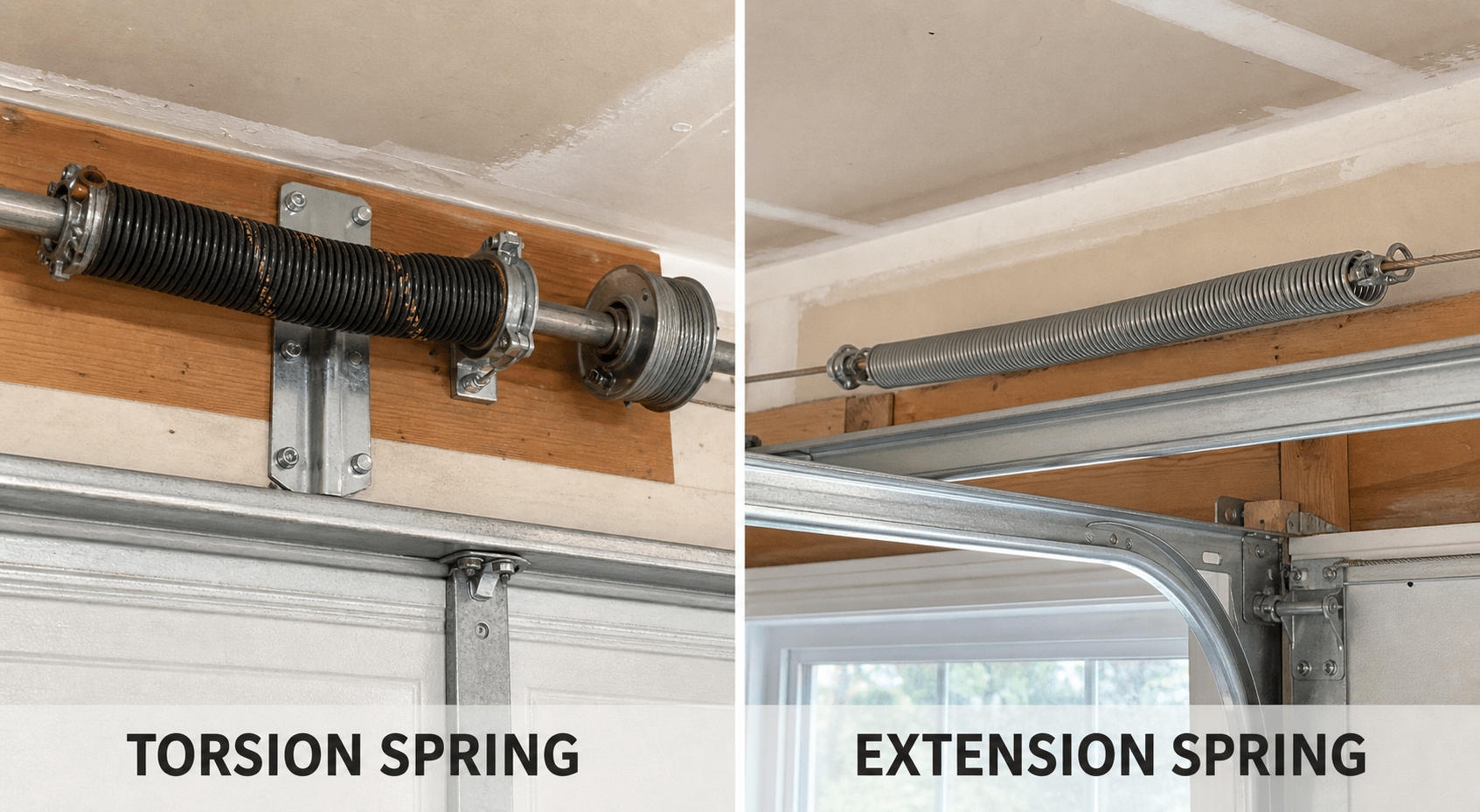
Torsion springs are rated for a specific number of cycles — typically 10,000 for standard springs. High-cycle springs rated for 20,000 or more cycles are available, but even those benefit from routine tension checks. A spring that loses calibration puts uneven load on cables and drums, accelerating wear across the entire system. Catching this during a scheduled visit costs a fraction of what an emergency replacement costs after a full failure.
One of the most common long-term expenses we see involves opener systems that fail prematurely. In many cases, the opener was never the root issue.
When a garage door becomes unbalanced, the opener works harder to lift uneven weight. Over time, this leads to:
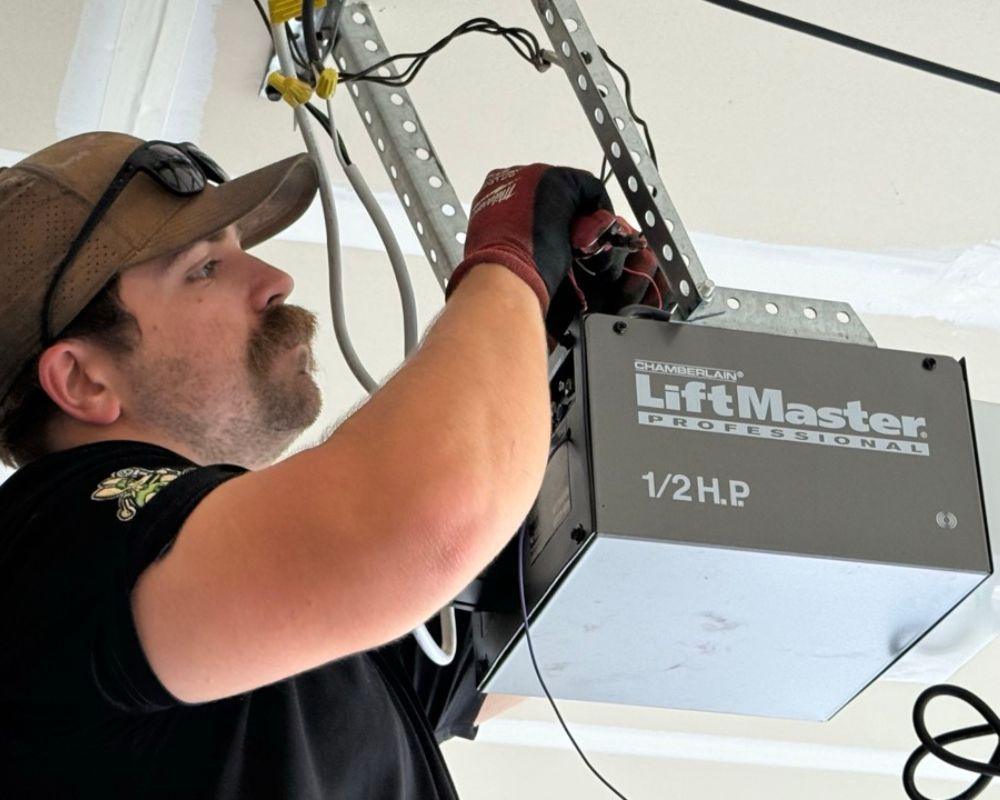
During maintenance, we test balance manually. If the door does not stay in place when disconnected from the opener, adjustments are made before internal motor damage occurs. Replacing an opener system is significantly more expensive than maintaining proper door balance.
Modern garage door openers, whether chain drive, belt drive, or screw drive are built to last 10 to 15 years under normal operating conditions. However, "normal" assumes the door itself is properly balanced and maintained. A door that is even slightly out of balance can cut opener lifespan in half, forcing a replacement 5 to 7 years earlier than necessary. Preventative maintenance ensures your opener is never working harder than it needs to.
Emergency repairs often come with higher service costs due to urgency, after-hours scheduling, or safety concerns.
We frequently respond to calls involving:
Many of these situations stem from visible warning signs weeks earlier, such as unusual noise, jerky movement, or slower response times. Routine maintenance allows issues to be identified early, before they escalate into emergencies. Scheduled service is almost always more cost-effective than reactive repairs.
Beyond the direct cost of the emergency repair itself, consider the secondary costs: a car that can't leave the garage means missed work or alternative transportation. A door stuck open overnight creates a security risk. A broken spring in winter in Minnesota means exposure to freezing temperatures while waiting for a technician. These downstream costs never appear on an invoice, but they are real — and largely avoidable with a simple annual inspection.
Misaligned tracks or worn rollers do more than affect movement. They place uneven pressure on door panels and framing.
Over time this can lead to:
Panel replacement can be expensive, especially if your model is discontinued. In some cases, homeowners are forced into full door replacement because a matching section is no longer available. Our preventative maintenance includes track alignment checks and hardware adjustments to reduce stress and protect the door’s structure.
A single warped or cracked panel also compromises insulation and weather resistance. For attached garages where the garage shares a wall with living space, this translates directly into higher heating and cooling costs. Protecting panel integrity is not just a cosmetic concern; it is an energy and comfort issue as well.
When your garage door does not seal properly it allows outside air inside and increases heating and cooling demands, especially in attached garages.
Maintenance services include:
Energy loss may not be immediately noticeable, but over time it affects utility costs. Proper alignment and sealing improve insulation performance and help maintain stable indoor temperatures.
In Minnesota, where winters regularly push temperatures well below freezing, an unsealed or poorly sealing garage door can add hundreds of dollars annually to heating costs. A simple bottom seal replacement, a relatively inexpensive maintenance item can eliminate drafts, keep moisture out, and meaningfully reduce energy loss through one of the largest openings in your home.
Garage doors are one of the largest moving systems in a home. When not properly maintained, they can pose serious safety risks.
Faulty components can lead to:
Preventative maintenance includes safety reversal testing, sensor calibration, and full hardware inspections to reduce the risk of injury. A door that drops unexpectedly or fails to reverse on contact can cause serious harm to people, pets, and vehicles. Beyond the personal safety concern, a documented lack of maintenance can have liability implications for homeowners.
Auto-reverse mechanisms and photo-eye sensors are required safety features on all garage door openers manufactured after 1993. However, these systems can drift out of calibration over time. A sensor that no longer triggers the auto-reverse function provides a false sense of security. During every maintenance visit, we test these systems under real-world conditions to confirm they are functioning correctly.
Weather seals are one of the most frequently overlooked components of a garage door system — and one of the most important for long-term performance.
Bottom seals, side seals, and top seals work together to:
In Minnesota's climate, weather seals take a particular beating. Freeze-thaw cycles cause rubber and vinyl seals to harden, crack, and lose flexibility. A seal that appears intact from the outside may no longer compress properly against the threshold, leaving gaps that allow cold air, moisture, and pests to enter.
During preventative maintenance, we inspect all seals for brittleness, tearing, and compression loss. Replacing a worn seal proactively costs a fraction of what moisture damage to a garage floor, wall framing, or stored belongings can cost.
Your garage door plays a major role in curb appeal and overall property value. Premature replacement due to neglect is an avoidable expense.
Our maintenance approach is structured, not surface-level. We:
Each visit is designed to catch what's developing before it becomes what's broken.
A new garage door and installation represents a significant investment, often $1,500 to $4,000 or more depending on size, material, and insulation level. Protecting that investment with a $100 to $200 annual maintenance visit is straightforward math. Homeowners who maintain their garage door systems consistently routinely get 20 to 30 years of reliable service from a quality door. Those who don't often find themselves facing full replacement in 10 to 12 years.
We recommend professional garage door maintenance at least once per year. For high-use households, semi-annual inspections provide added protection.
Signs that maintenance may be overdue include:
Ignoring early warning signs often leads to higher repair costs. The longer a worn component operates under stress, the more damage it causes to surrounding parts. What begins as a worn roller can eventually damage a track. A fraying cable that goes unaddressed can snap under load, causing the door to fall or the spring system to fail under sudden redistributed tension.
The best time to schedule maintenance is before problems appear, typically in the spring after a harsh Minnesota winter, or in the fall before temperatures drop again.
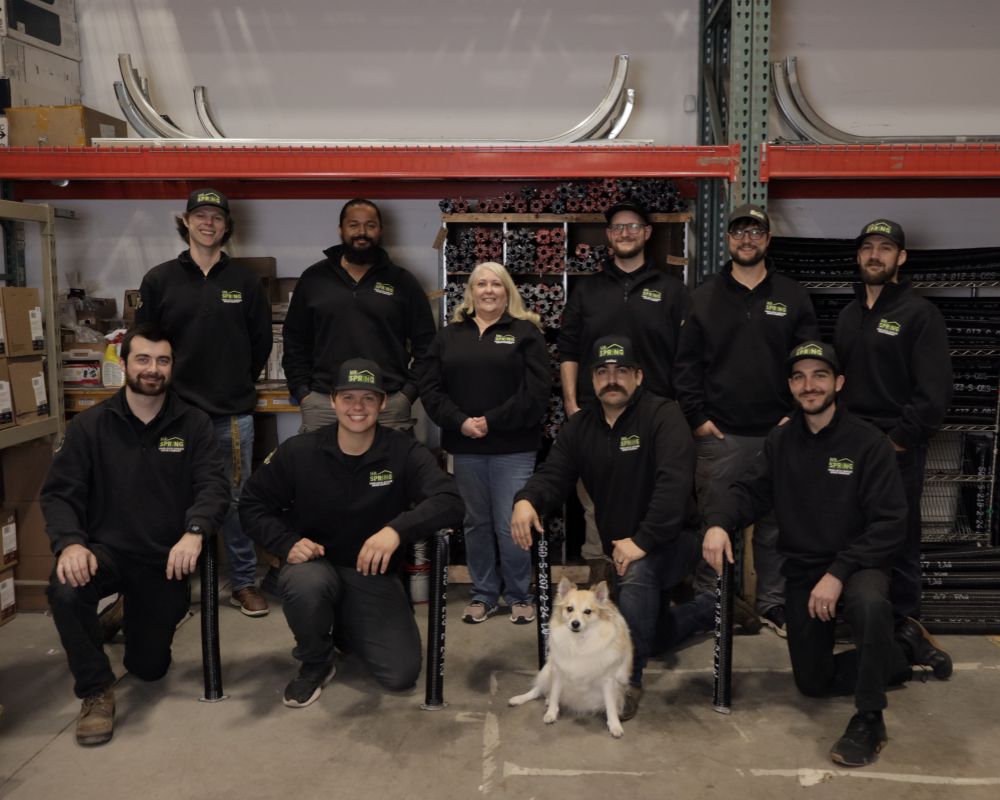
At Mr. Spring Garage Doors, we don't perform surface-level tune-ups. We deliver detailed inspections designed to catch issues early and prevent costly system failures. Our technicians are trained to identify wear patterns that less experienced providers often miss, helping you avoid unnecessary repairs and replacements.
Preventative maintenance is not an upsell. It is a smart investment in reliability, safety, and long-term cost control. Waiting for a breakdown often leads to more extensive damage and higher repair costs.
We are a locally owned and operated business serving the Twin Cities metro. Our owner, Joe Schwartz, is a lifelong Minnesotan who understands firsthand the demands that Minnesota weather places on garage door systems year-round. Every maintenance visit we perform is built around protecting your system for the long haul, not just getting through the call.
If your garage door has not been professionally serviced within the past year, now is the time. Schedule your maintenance today and keep your system running smoothly while avoiding unexpected expenses.