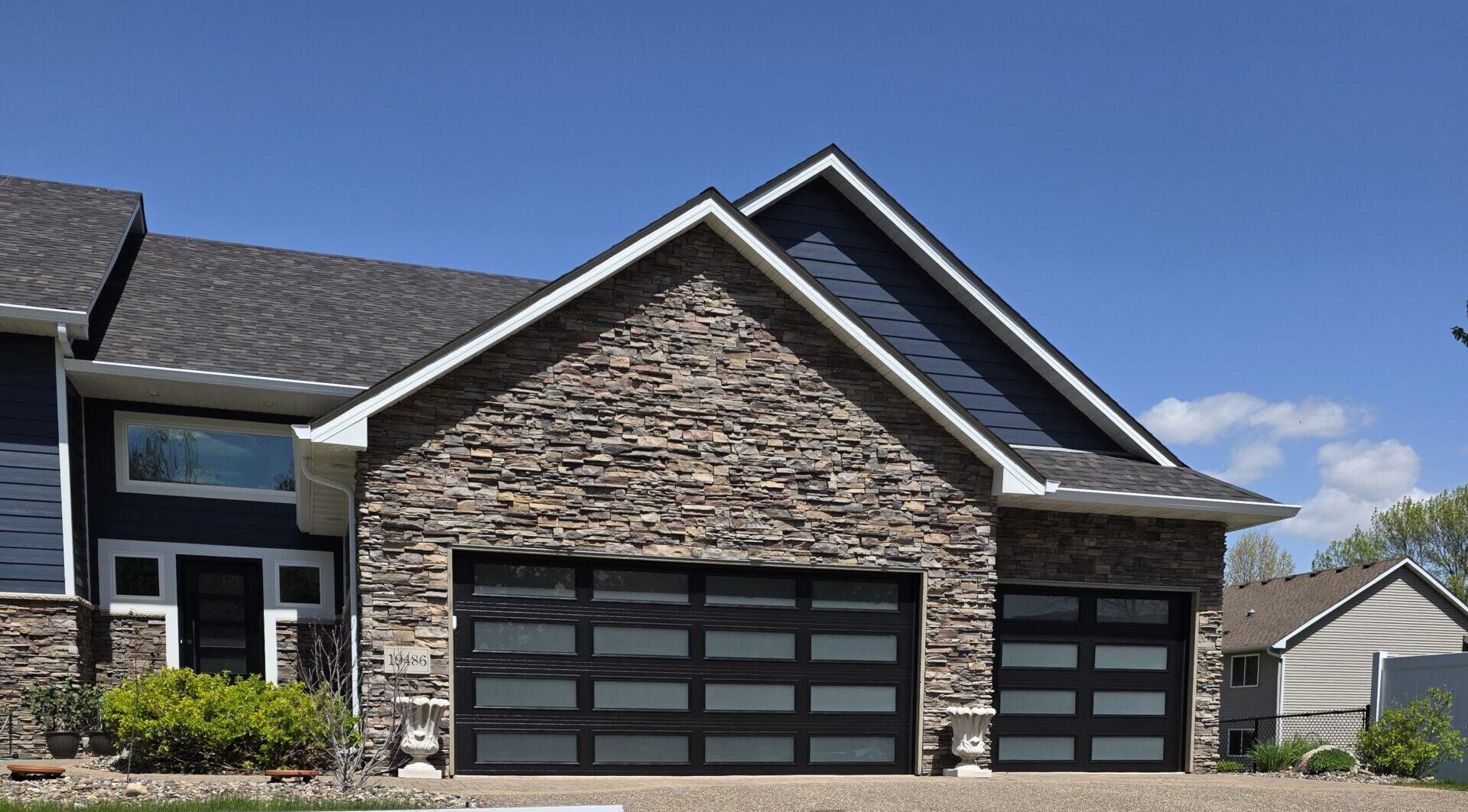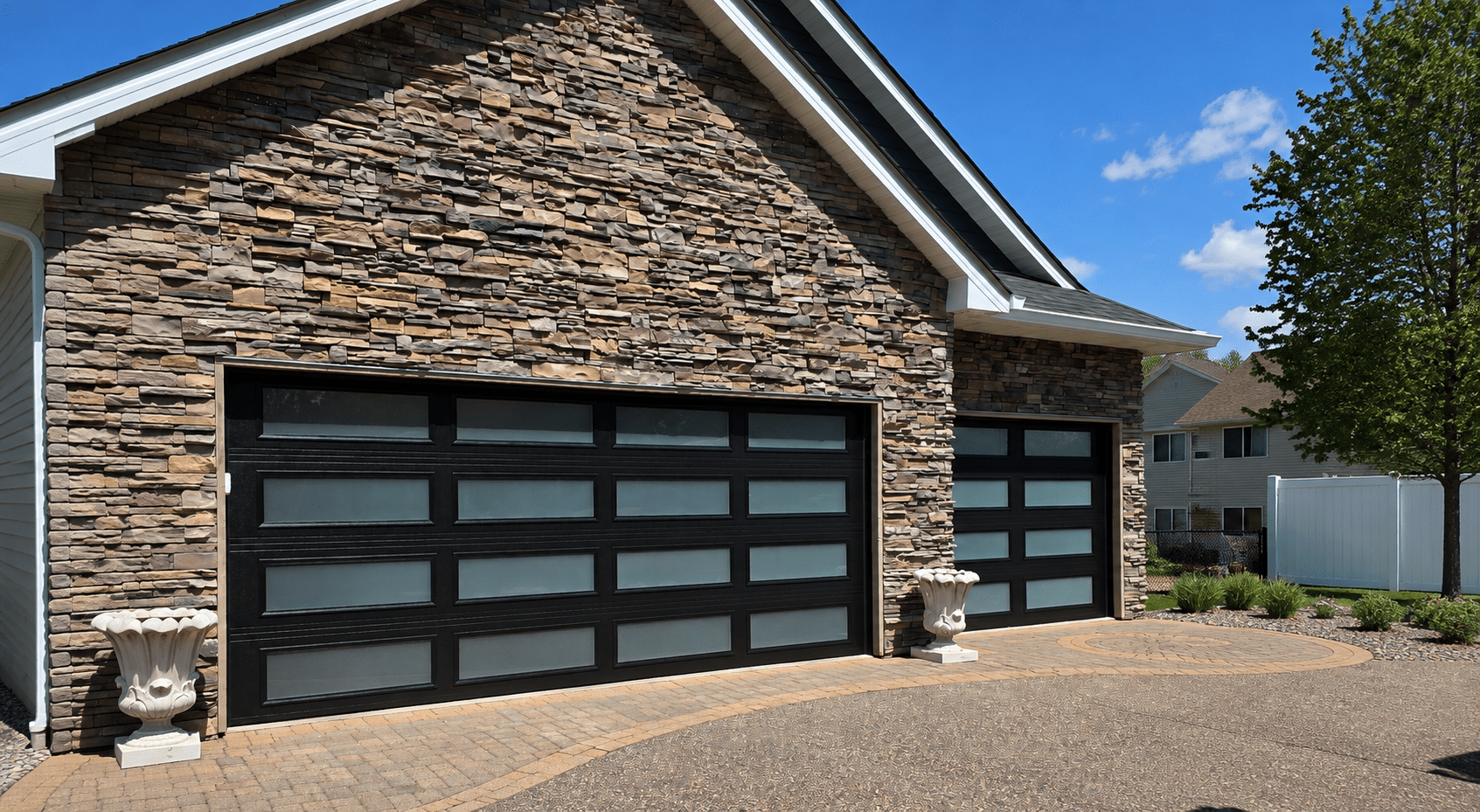
Garage Door Replacement Cost in Minnesota (2026)

Mr. Spring Garage Doors
Garage Door Spring Repair in Minneapolis
Reviewed by Tyler Kurr, General Manager of Mr. Spring Garage Doors. Last updated August 17, 2026.
 
Quick Answer: Garage door replacement cost in Minneapolis and St. Paul comes down to the door you choose. Size, material, insulation, and style each move the number, so the only accurate figure is a measured, on-site quote, which is why we give free, no-trip-fee estimates. Below is what actually drives the price, how to think through each choice for a Minnesota home, and what the common repairs run if a full replacement isn’t what your door needs.

What Goes Into a Garage Door Replacement

A replacement is more than the panel you see from the street. The price covers the door itself, the hardware that makes it run (springs, tracks, drums, rollers, brackets, and weatherstripping), professional labor, and haul-away of your old door. The door is usually the biggest single piece of the bill, and because doors vary so much by material, size, and style, the only honest way to price one is to measure your opening and put real options in front of you.

That’s also why you won’t find a flat sticker price for an installed door, here or on most reputable installers’ sites. Every home is a little different. The size and squareness of the opening, the condition of the framing on an older house, the door line you choose, and whether you’re adding or converting an opener all change the final number. A good estimate itemizes those parts so you can see exactly what you’re paying for and where you can trim. That’s what a garage door replacement estimate does. If your opening isn’t a standard size, the door has to be custom-measured and built, which adds to the cost.


What Drives Your Cost

Four things move the price more than anything else: material, insulation, size, and style. Windows, custom features, and labor round it out. Here’s how each one works so you can walk into your estimate knowing what to ask.

Material

Material is the single biggest lever on both price and how well the door survives a Minnesota winter. Steel is by far the most common choice, roughly 98% of garage doors, because it’s durable, low-maintenance, and affordable. The other materials below are worth knowing, but for most homes the real decision is which grade of steel.

  • Non-insulated steel is the most affordable durable option. It’s low-maintenance and fine for a detached or unheated garage, but it’s noisier and does little to hold heat.
  • Insulated steel is what we recommend most often here. It’s built in single-, double-, or triple-layer construction, holds up to hard cold, runs quieter, and resists dents better than thin steel. For most attached garages it’s the best all-around value.
  • Aluminum is light and rust-resistant, which makes it a good fit for very wide or modern doors, though it dents more easily than steel.
  • Composite and fiberglass give you a wood look with far less upkeep and good resistance to rot and moisture. They can get more brittle in deep cold, so quality matters.
  • Wood and cedar have the best curb appeal and the highest price, and they demand the most maintenance. In Minnesota’s humidity and freeze-thaw swings they need regular sealing to avoid warping.
  • Vinyl is tough, rust-proof, and low-maintenance, with fewer style options than steel.
  • Glass and aluminum-frame doors are the modern, light-filled, premium choice, and also the least insulating on the list.

For most Minneapolis and St. Paul homes we point people toward insulated steel, with composite as an alternative when you want a wood look without wood’s upkeep. Both shrug off humidity and hard cold better than wood, and insulated steel gives you the best mix of price, durability, and winter performance. We install doors from established manufacturers, including North Central, Amarr, DoorLink, C.H.I., Haas, and Clopay, so a garage door installation estimate turns this into real choices for your home rather than a guess.

Insulation

An insulated, wind-rated door costs more than a bare one, and for Minnesota it’s close to a baseline rather than an upgrade. Insulation is rated by R-value, where higher is better, and it comes from the door’s layers: a single-layer door has none, while double- and triple-layer doors sandwich foam between steel skins for real thermal performance and a quieter, more solid feel.

Insulation matters most on an attached garage that shares a wall with a bedroom, office, or living room, where it cuts heat loss, softens outside noise, and steadies the temperature through the season. It’s just as valuable if you use the garage as a workshop or gym, or store anything temperature-sensitive out there. On an exposed lot, a wind-rated door adds another layer of protection against the gusts that come with open Minnesota winters.

Size

Size is straightforward: more door means more material and more labor. Standard single-car doors run 8x7, 9x7, or 10x7 feet, and standard doubles are 16x7 or 18x7. Taller 8-foot doors are popular for trucks and lifted SUVs, and anything outside those dimensions has to be custom-built to your opening, which raises the price.

If you have a two-car garage, one wide double door usually costs less than two separate singles, because two openings need two full sets of hardware and more labor. Two singles can look cleaner on certain home styles and give you a backup if one opener fails, so it’s a design-and-budget trade-off worth talking through at your estimate.

Style

Style moves the price as much as size does. A plain sectional door, in flat or raised-panel form, is the affordable, widely stocked default and works with standard openers. Carriage-house doors, with their decorative hardware and trim, sit well above it, and adding real working-style hardware pushes them higher still. Roll-up, tilt-up, French swing, and full-glass modern doors each carry their own price and installation demands, from extra structural anchoring to heavier materials. Style also interacts with material and insulation, so a carriage-house look in insulated steel behaves very differently, and prices very differently, than the same look in solid wood.

Windows and Customization

Windows, decorative hardware, custom colors, smart openers, keypads, cameras, and battery backup all add to the base price. Windows are the most common add-on, and they’re a trade-off: they bring in natural light but give up a little insulation unless you choose insulated or tempered glass. Smart features are worth calling out for Minnesota specifically, since a battery backup keeps your door working through the winter power flickers that leave a manual door stuck. If the budget is tight, a cleaner door without extras is the honest way to hold the line, and we’ll show you where each add-on lands at your estimate so you can decide what’s actually worth it.

Labor and the Extras

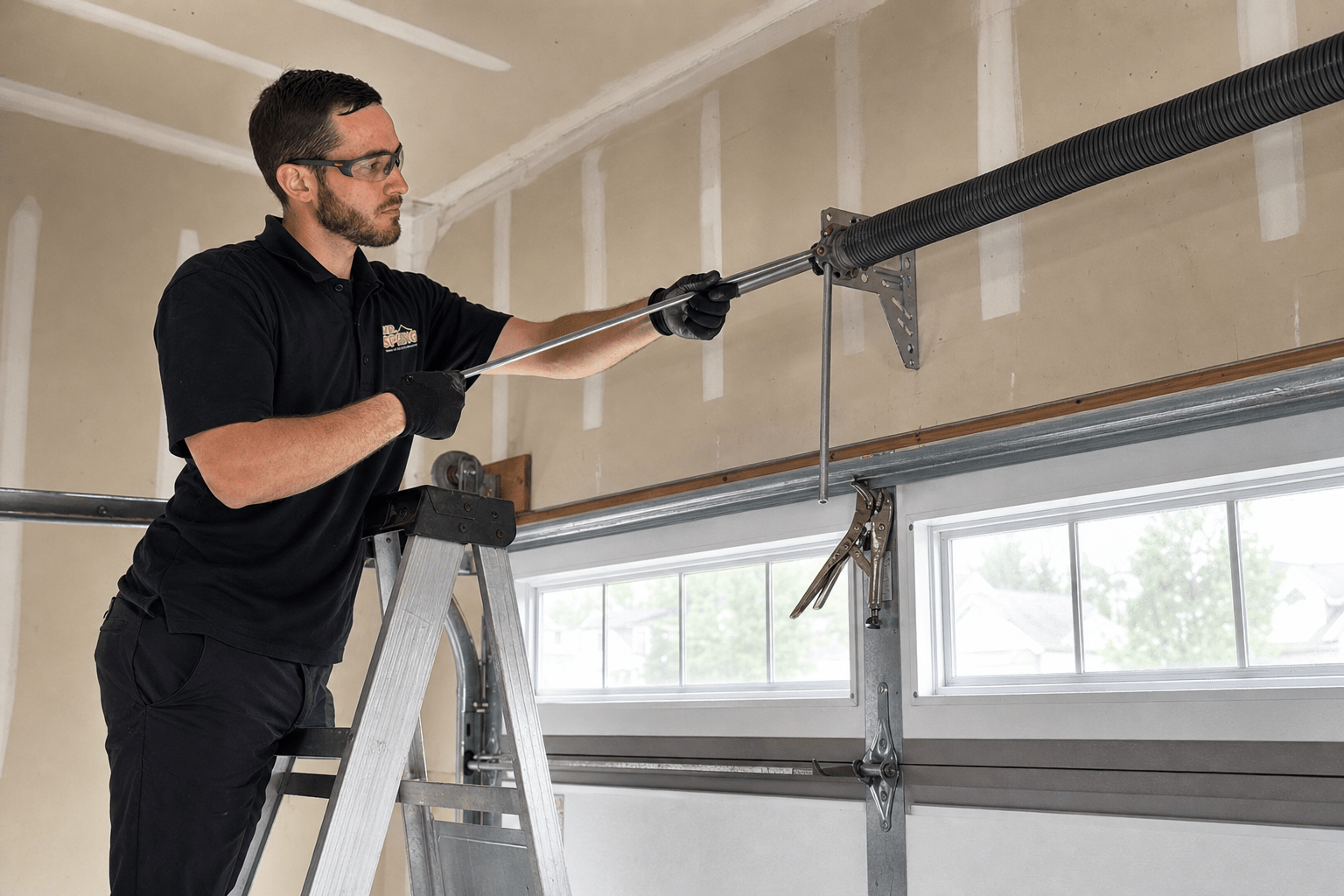
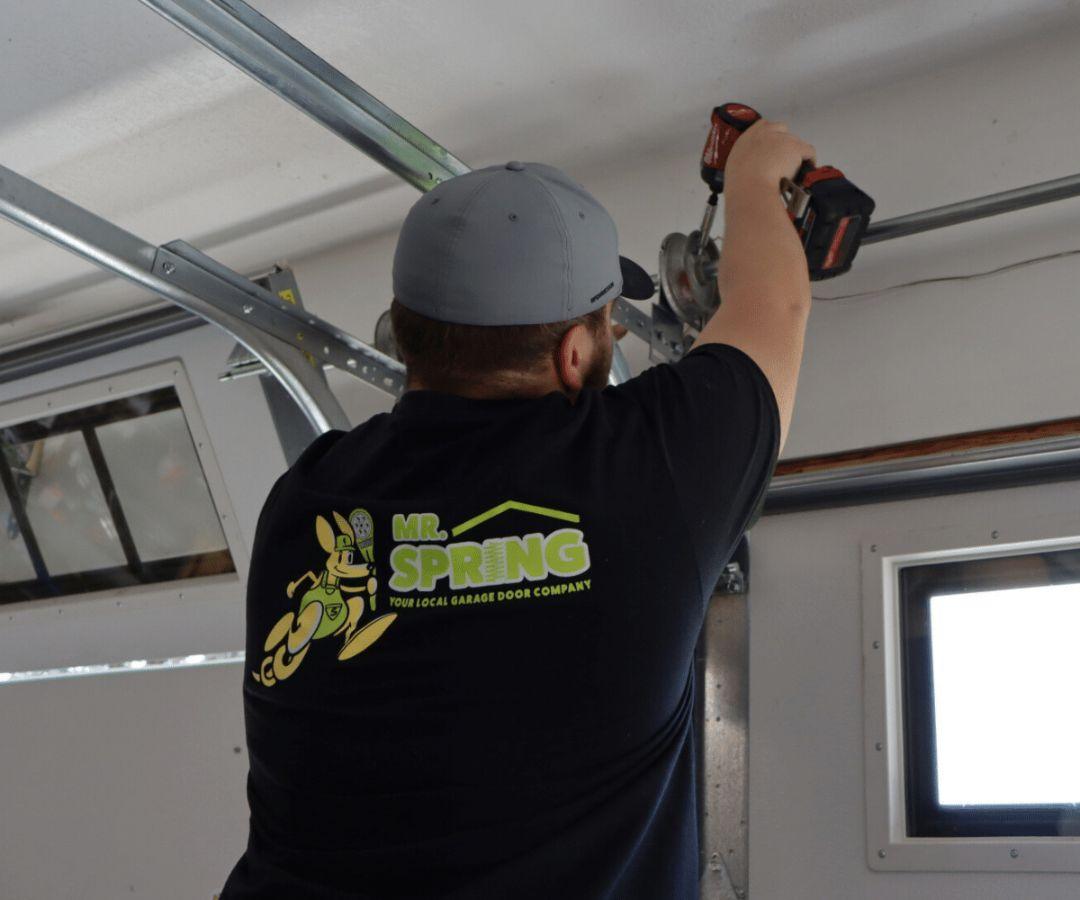
Professional installation is more involved than it looks. We remove the old door and hardware, set and align the tracks, hang and level the panels, wind the springs to the exact tension your door’s weight requires, balance the door, and run a full safety test before we leave. Labor also covers hauling the old door away and any small framing fixes an older home needs. A city permit is generally only required if you change the size of the opening, and Minnesota sales tax applies to the materials. Adding an automatic opener where there wasn’t one, or converting a manual door to automatic, is a separate line item; if that’s on your list, we can price a garage door opener alongside the door.

Choosing the Right Door for a Minnesota Home

The best door on paper isn’t always the best door for this climate. Minnesota’s long cold season, humidity, and freeze-thaw cycles reward insulated steel and composite with reinforced weatherstripping, which handle the swings without warping, rusting, or losing their seal. Wood can look stunning but needs a maintenance commitment most homeowners underestimate up here. Beyond the panel, the hardware you can’t see matters just as much: quality springs and rollers rated for real cycle counts hold up far better through the winters that wear ordinary parts out early. If curb appeal is the goal, insulated steel now comes in convincing carriage-house and wood-grain finishes, so you rarely have to choose between looks and longevity.

Repair or Replace? Know the Difference Before You Budget

Plenty of “my door won’t open” calls turn out to be a single broken part, not a door at the end of its life. When it’s one component, you’re looking at a repair that costs a fraction of a full replacement. Here’s what those fixes run at Mr. Spring:

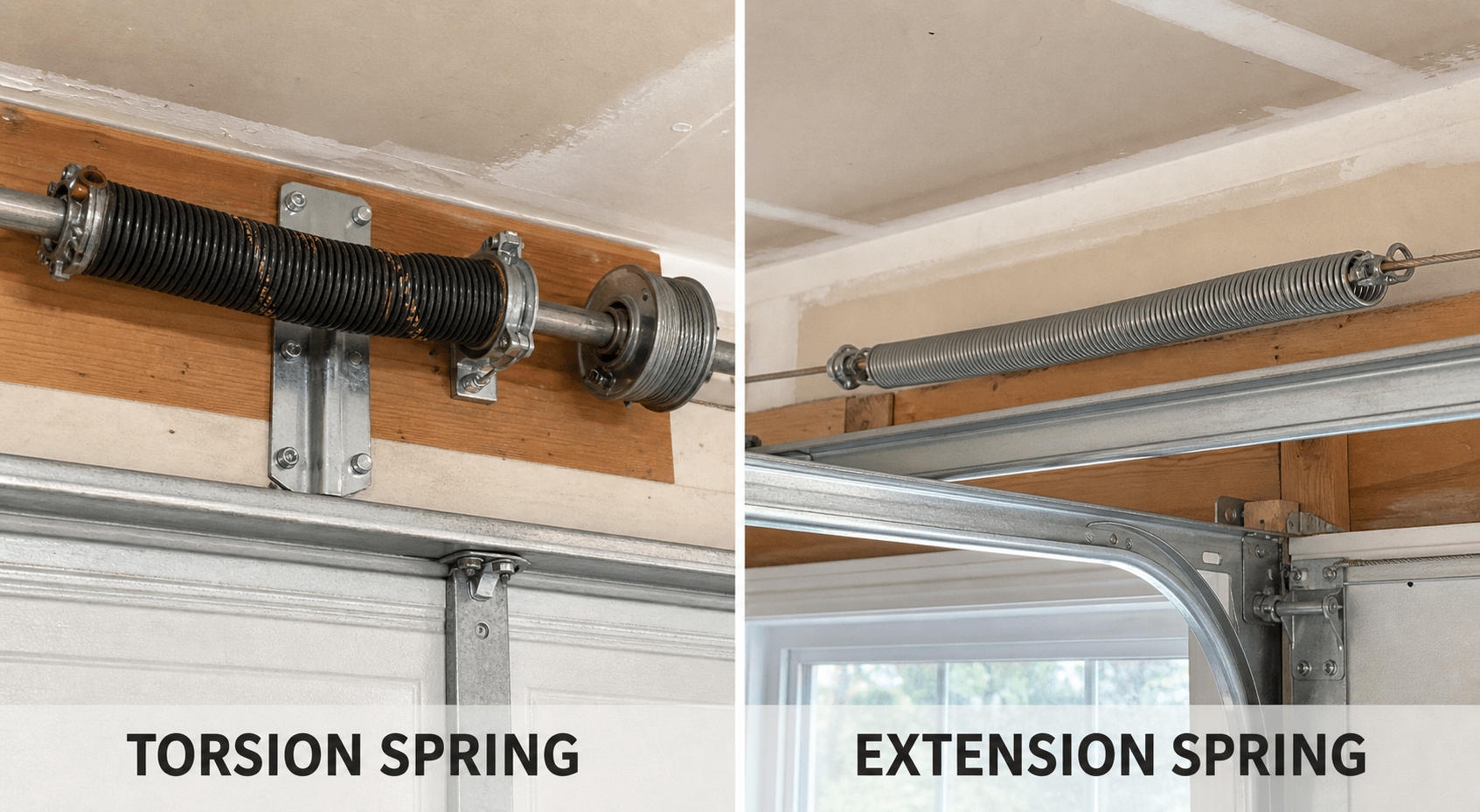
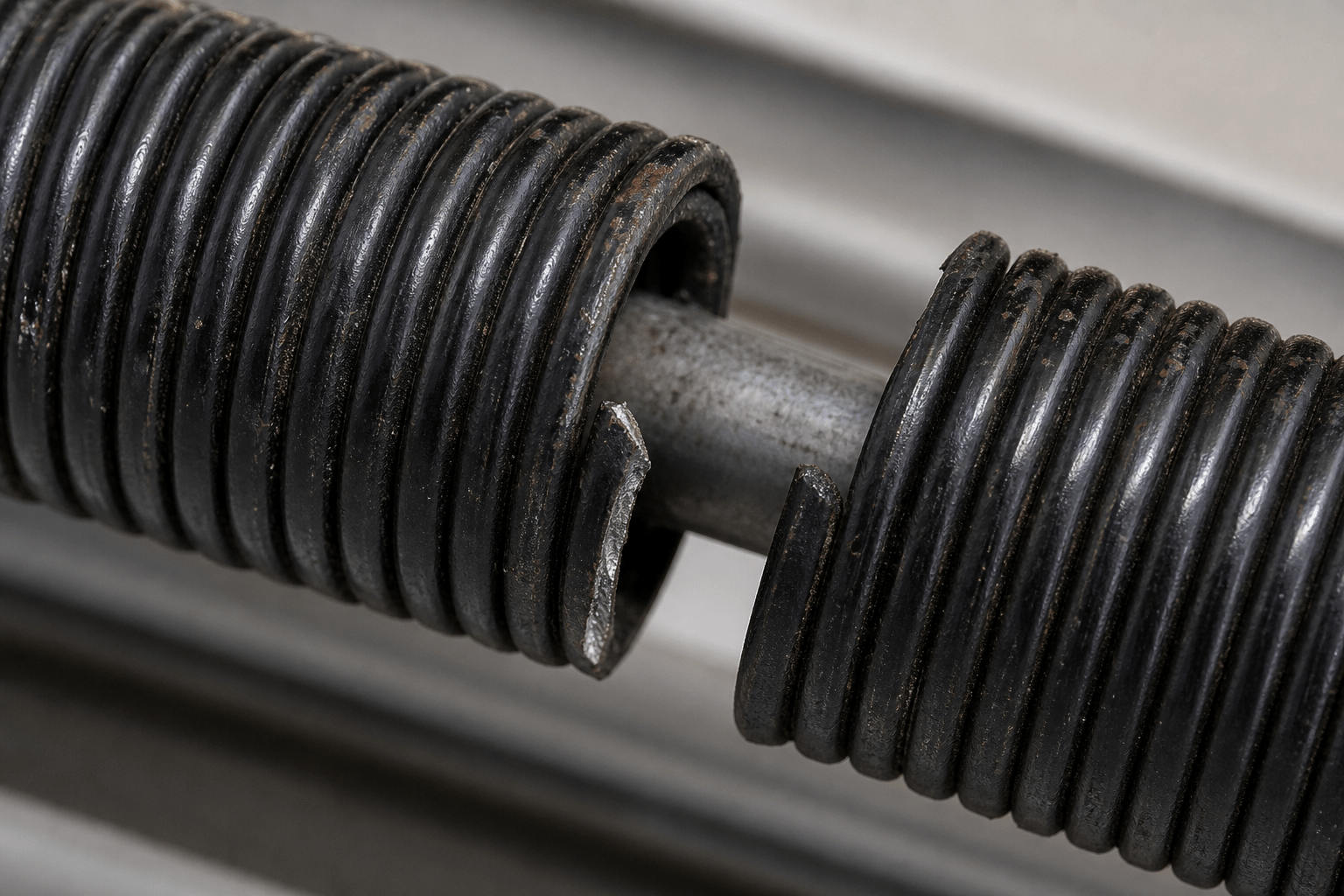
  • Spring replacement: $250 to $600 per spring. A standard two-spring door lands around $500 to $1,200, with high-cycle options available.
  • Cable replacement: $125 to $300 per set.
  • Roller replacement: $100 to $300 per set.
  • Trip fee: none. We waive it, so a diagnosis doesn’t cost you anything to get.

Minnesota’s freeze-thaw cycles are hard on the moving parts. Ice and repeated cold snaps wear out springs, rollers, and tracks faster here than in milder climates, and that’s the kind of thing a technician can catch and fix on the spot. If a tech pulls your old door and finds a broken cable or worn rollers, that’s a real finding, not an upsell.

Lean toward a full replacement when the door is 15 years or older, when several panels are damaged, when repairs are stacking up, or when it no longer matches the house. If the door is otherwise solid and it’s one part that failed, a garage door spring replacement or a quick roller swap is almost always the cheaper, smarter call, and same-day service gets you back to normal without a second trip charge.

How to Get an Accurate Price

Since the door decides the number, the fastest way to a real budget is a free estimate. Ours is on site with no trip fee and no obligation. A technician measures the opening, checks the framing and the existing hardware, walks you through material and style options that fit your home, and hands you an itemized quote covering the door, hardware, labor, haul-away, an opener if you need one, and tax.

It helps to come in knowing a few things: roughly how wide your garage is, whether it’s attached or detached, whether the garage is heated, and any must-haves like windows or a quiet smart opener. That context lets us narrow the options quickly. An on-site look beats an online calculator every time, because the calculator can’t see your framing, your opening’s condition, or the door line that actually fits your budget and your street.
Is a New Garage Door Worth It?

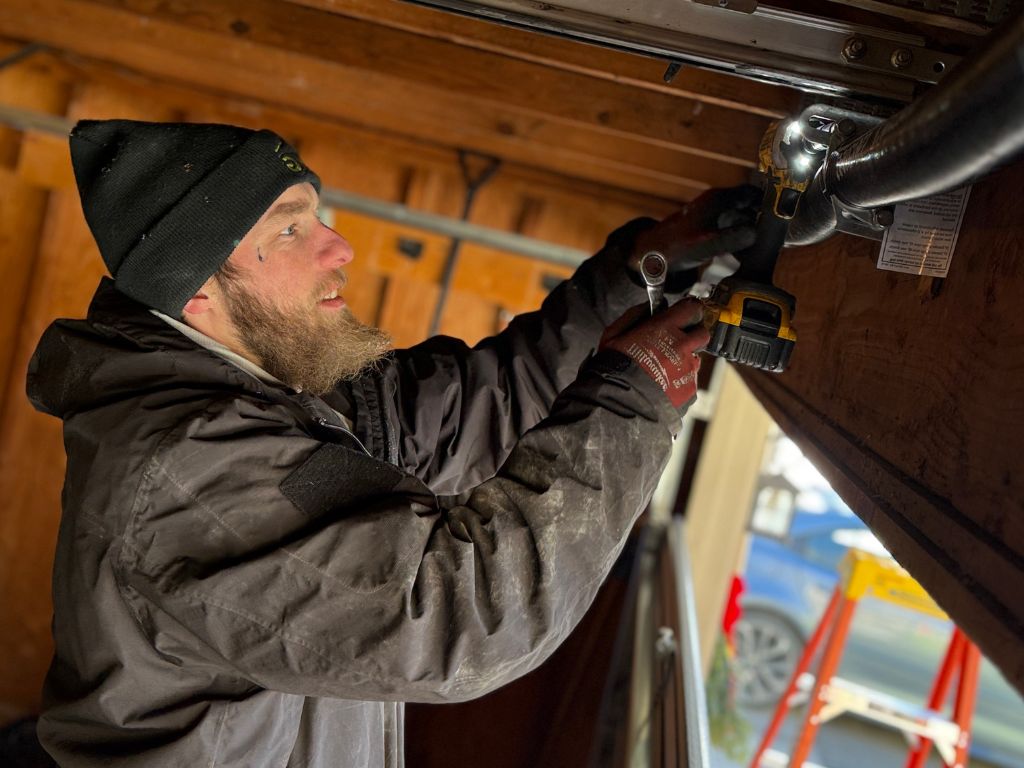
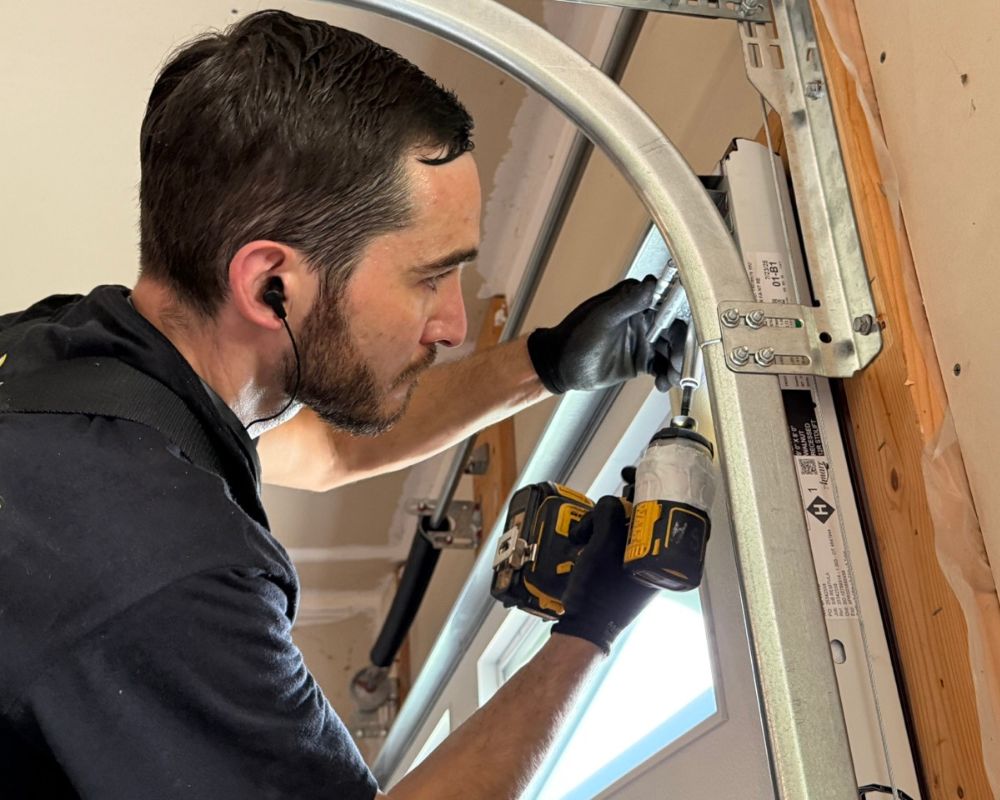
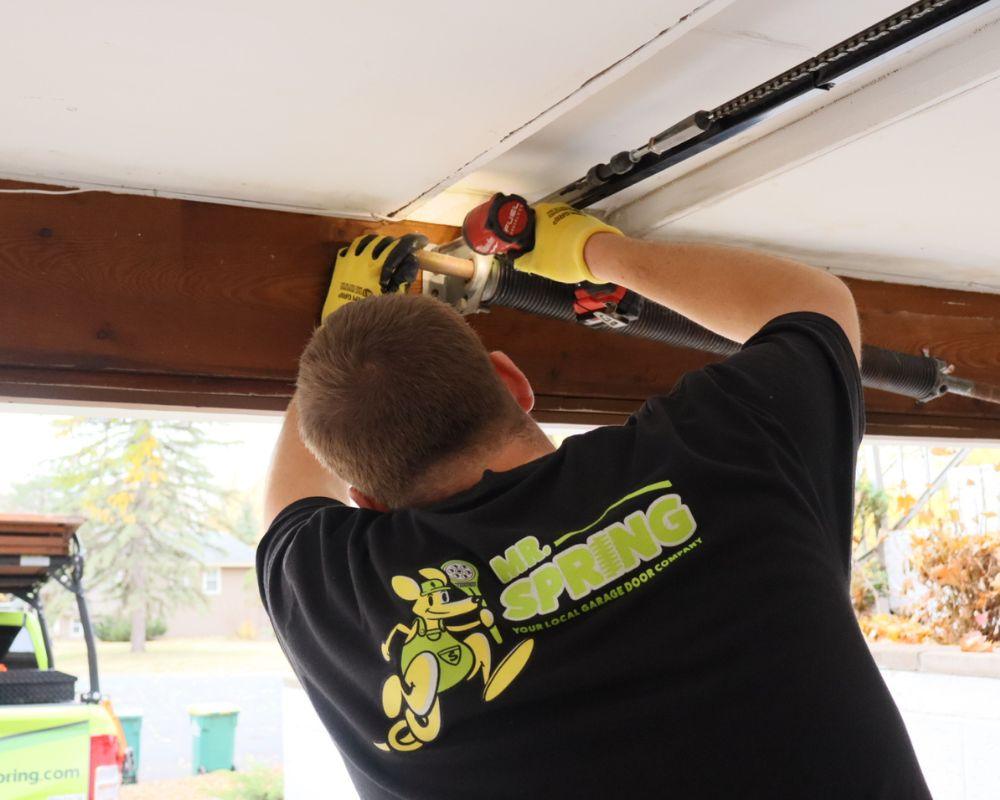
Mr. Spring technician repairing a garage door drum in Minneapolis

Few exterior projects pay back like this one. A new garage door is one of the strongest resale returns of any curb-appeal upgrade, since the door is a big slice of what people see from the street, and buyers read a clean, modern door as a sign the whole house has been cared for.

There’s a running return too. An insulated door trims heating bills in winter and cooling bills in summer, especially on an attached garage, and it protects the springs, opener, and cables from the temperature stress that shortens their life. Modern doors also bring safety and convenience that older ones can’t match, from photo-eye sensors and rolling-code security to quiet operation and smart-opener control from your phone. Most doors last 15 to 30 years with basic maintenance, so the material and insulation you pick now is a choice you live with for a long stretch. A cheap, uninsulated door saves money today and gives some of it back over the years in lost heat and faster wear. That’s the honest case for spending a little more up front, not a sales pitch.

Whichever way your project leans, we handle the full range of garage door repair services across Minneapolis and St. Paul, so we can quote it straight. We also offer free, no-trip-fee estimates with an itemized number for your specific door before you commit to anything. Every new install carries a five-year warranty, and our guarantee is plain: if you don’t get prompt communication, a fast arrival, an honest quote, and top-quality parts, we refuse to keep your money.

Frequently Asked Questions

There’s no flat rate. The door itself is the biggest factor, and its price swings with material, size, insulation, and style, so the accurate number comes from a measured quote. Mr. Spring’s estimates are free with no trip fee, and every new door is installed with a five-year warranty.
Steel and aluminum are the most affordable durable options; wood and glass sit at the premium end with more upkeep. For Minnesota, insulated steel is usually the best balance of cost, durability, and winter performance.
Insulated steel with reinforced weatherstripping, followed by quality composite. Both handle freeze-thaw swings, humidity, and hard cold without the warping or sealing demands of wood, and they keep the door’s moving parts more stable through the cold.
For most Minneapolis and St. Paul homeowners, yes, especially with an attached garage. Insulated doors cost more upfront but cut energy loss and stand up to freeze-thaw stress far better through the winter.

Yes. Windows are a popular upgrade that adds to the door’s price, and they trade a little insulation for natural light unless you choose insulated or tempered glass. It’s an easy line to add or drop at your estimate depending on your budget.

Almost always cheaper to repair when the door is otherwise sound. A broken spring runs $250 to $600 per spring at Mr. Spring, a fraction of a full replacement. Replace when the door is 15 years or older, several panels are damaged, or repairs keep piling up.

Start with a free, itemized estimate so you’re working from real numbers, not a guess, and ask whether a repair will get you a few more good years first. Any payment options are confirmed at the estimate. The estimate carries no trip fee and no obligation, so it costs nothing to plan around.

Yes. A new door is consistently one of the highest-return exterior upgrades, thanks to the curb appeal and updated look it adds before a sale.

Most standard replacements take 3 to 6 hours. A larger door, a custom style, or added electrical work for an opener can stretch that. Request a residential garage door installation estimate for a timeline specific to your door.

The Bottom Line

Garage door replacement in Minneapolis and St. Paul is priced by the door you choose, so the accurate number comes from a measured, on-site quote rather than a chart. Material, insulation, size, and style move it the most, and insulated doors are worth the extra up front for most Minnesota garages. Whether your project is a full garage door installation, a residential garage door installation on a new build, or just the springs, cables, or rollers a technician finds along the way, we price it honestly and back it with a five-year warranty. Ready to see real numbers for your home? Request a garage door replacement estimate and get a straight answer, not a sales pitch.

About the Author

Tyler Kurr is the general manager of Mr. Spring Garage Doors, serving Minneapolis and St. Paul. The company was built to fix what homeowners dread about garage door service, unanswered calls, unclear pricing, and missed appointments from other companies. We built Mr. Spring around the opposite: upfront pricing, on-time service, and a guarantee that if a repair isn’t done right, we send a technician back at no charge. Mr. Spring holds a 5.0-star rating across 1,300+ reviews.

Why Homeowners Trust Mr. Spring Garage Doors

At Mr. Spring Garage Doors, we don't perform surface-level tune-ups. We deliver detailed inspections designed to catch issues early and prevent costly system failures. Our technicians are trained to identify wear patterns that less experienced providers often miss, helping you avoid unnecessary repairs and replacements.

Preventative maintenance is not an upsell. It is a smart investment in reliability, safety, and long-term cost control. Waiting for a breakdown often leads to more extensive damage and higher repair costs.

We are a locally owned and operated business serving the Twin Cities metro. Our owner, Joe Schwartz, is a lifelong Minnesotan who understands firsthand the demands that Minnesota weather places on garage door systems year-round. Every maintenance visit we perform is built around protecting your system for the long haul, not just getting through the call.

If your garage door has not been professionally serviced within the past year, now is the time. Schedule your maintenance today and keep your system running smoothly while avoiding unexpected expenses.


Key Takeaways:

  • Installed door cost is quote-based. Size, material, insulation, and style decide it, so we price it on site rather than off a chart.
  • Material and insulation move the price the most. Steel is by far the most common door, about 98% of the market, and insulated steel is usually the smartest pick for Minnesota winters.
  • A repair is often all you need. At Mr. Spring, spring replacement runs $250–$600 per spring, cables $125–$300, and rollers $100–$300, with no trip fee.
  • A new door is one of the strongest resale returns of any exterior upgrade, and an insulated one keeps paying you back on energy every year.
  • Every Mr. Spring installation carries a five-year warranty and a free, no-trip-fee estimate
Mr. Spring Garage Doors logo

Your Local Garage Door Company

We care about our community — and our fellow community members. While other garage door companies see their customers as just another paycheck, we treat you with the same care and respect as our family members and friends.

Contact Us

Address: 245 Roselawn Ave E #38, Maplewood, MN 55117
Hours: Open 24 Hours
Monday-Sunday
Send Mail: info@callmrspring.com
Call for booking
(612) 416-0091
chevron-downarrow-right-circle linkedin facebook pinterest youtube rss twitter instagram facebook-blank rss-blank linkedin-blank pinterest youtube twitter instagram