Reviewed by Tyler Kurr, General Manager of Mr. Spring Garage Doors. Last updated August 18, 2026.
Most residential garage doors last about 15 to 30 years. The exact life of a door depends on material, installation quality, daily use, weather exposure, maintenance, and whether the complete garage door system is still operating safely.
Quick answer: the door panels may last decades, but openers, springs, rollers, hinges, cables, and seals usually need attention sooner. Age matters, but condition matters more.
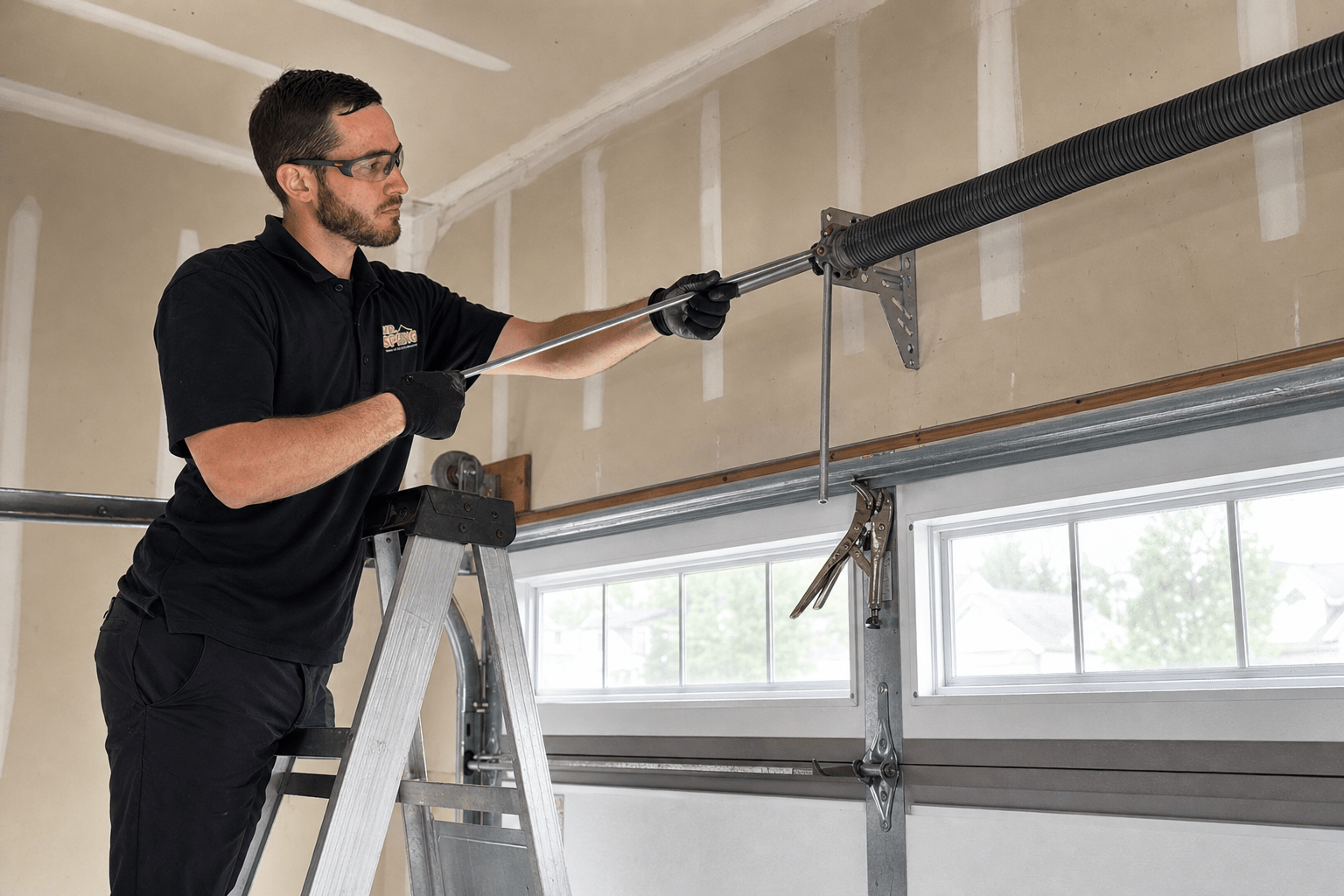
Safety note: Lifespan ranges are general estimates, not guarantees. Garage door springs and cables can be under significant tension. If the door is unbalanced, stuck, frayed, rusted, or moving unevenly, have it checked by a qualified garage door professional.
Need help now? Visit our garage door opener repair service page or Call Now: (612) 416-0091.
A well-built residential garage door commonly lasts 15 to 30 years. Some doors last longer when they are protected from moisture, balanced correctly, and serviced before small issues become major damage.
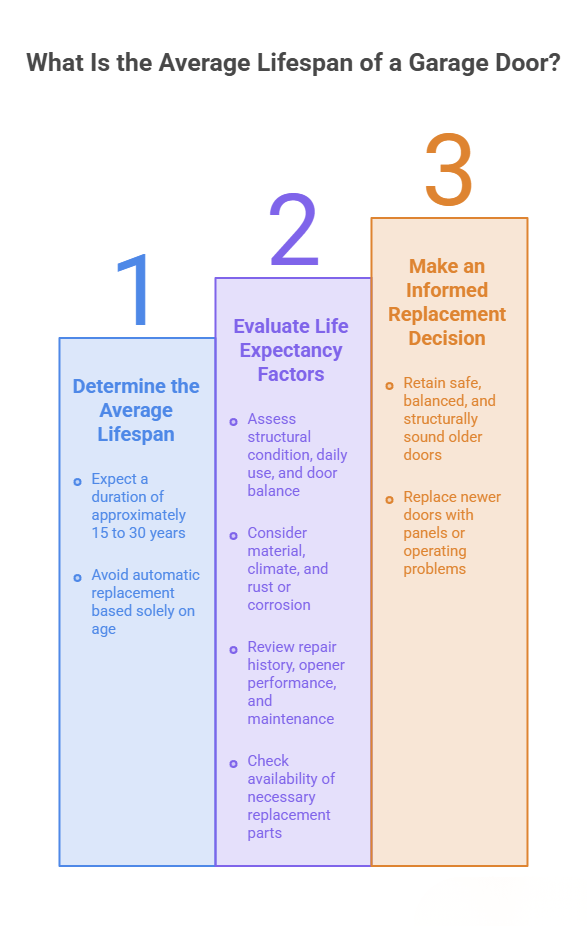
A door can be old and still serviceable, or newer and already failing. The difference usually comes down to use, balance, moisture, impact damage, and whether worn parts were repaired early. That is why a useful lifespan estimate looks at the whole system instead of only the age of the panels.
| Garage Door Part | Typical Lifespan |
|---|---|
| Garage door | 15 to 30+ years |
| Garage door opener | 10 to 15 years |
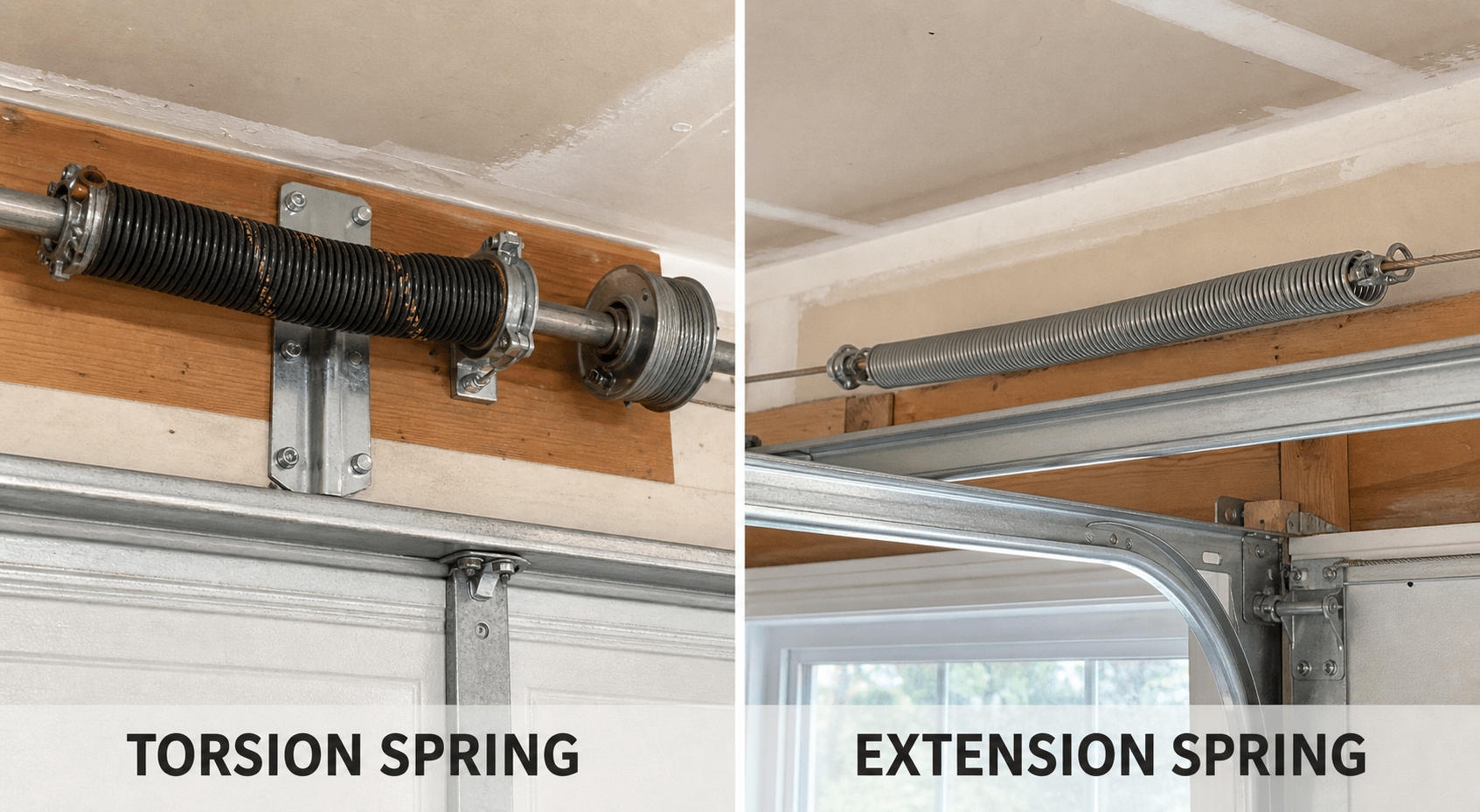
| Torsion springs | About 10,000 to 20,000+ cycles |
| Extension springs | About 10,000 cycles |
| Rollers | Nylon rollers: 8 to 12 years; steel rollers: 5 to 10 years |
| Hinges | Often 10 to 15+ years |
| Cables | Often 7 to 15 years, but condition matters most |
Sources: Spring cycle guidance follows DASMA TDS 190; the 10,000-cycle baseline is attributed to ANSI/DASMA 103; and the opener range is supported by Genie garage door opener guidance.
These ranges are useful planning numbers, not replacement deadlines. A professional inspection looks at visible wear, door balance, corrosion, noise, and how the system moves. If you are weighing repair vs. replacement, those details matter more than age alone.
Garage door openers commonly last 10 to 15 years. Replacement may be worth considering if the opener is loud, unreliable, slow, outdated, or repeatedly breaking down. The opener should not be carrying the full weight of the door; a properly balanced door relies on the spring system.
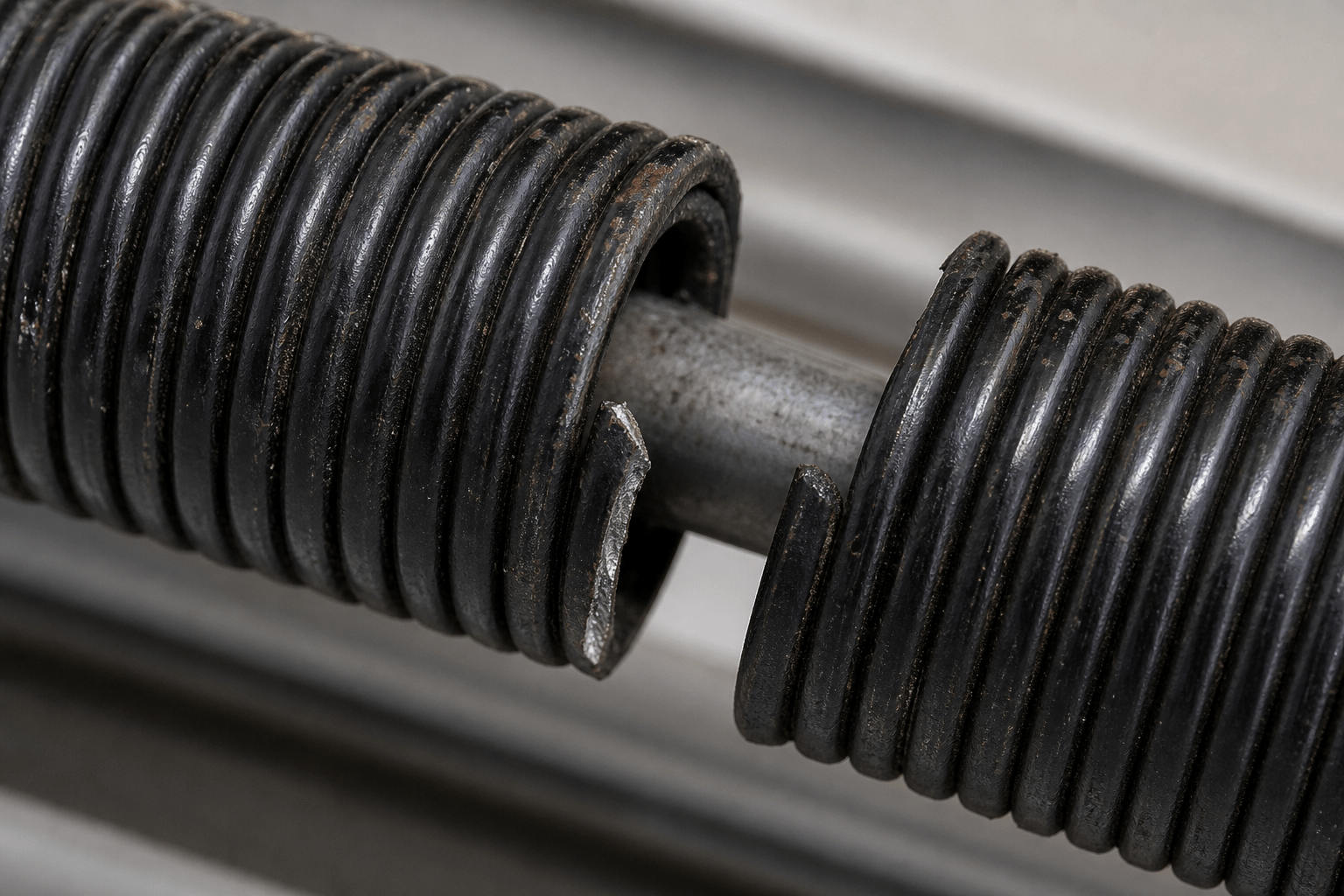
Springs are measured in cycles. One cycle means the door opens once and closes once. A 10,000-cycle spring used four times per day reaches that rating in about 6.8 years. Homes that use the garage as the main entrance can wear springs much faster than homes that use the garage occasionally.
Rollers, hinges, and cables should be judged by condition. Watch for squeaking, grinding, jerky movement, rust, loose hardware, frayed cable strands, or a door that looks uneven while moving. Cables and springs are high-tension parts, so repairs should be handled professionally. For spring problems, see our garage door spring replacement service.
Weather seals, bearings, brackets, and tracks also affect how the system feels. They may not be as expensive as the door itself, but they can create noise, drafts, gaps, and extra strain when ignored.
The biggest factors are daily use, installation quality, door weight, weather exposure, and maintenance. More cycles create more wear on springs, rollers, hinges, cables, and opener parts. Poor track alignment or incorrect spring sizing can shorten the life of the entire system.
Climate also matters. Moisture, road salt, freezing temperatures, heat, and large temperature swings can affect paint, metal hardware, weather seals, wood panels, and opener components. Regular inspection and lubrication help reduce unnecessary strain.
Accidental damage can shorten lifespan quickly. A dented lower section, bent track, or door that was forced open can change the way the door moves. Once a door is out of alignment, the opener and hardware may work harder than they should.
Steel doors are popular because they are durable and lower maintenance, but they can rust if scratched or exposed to moisture. Aluminum resists rust and is lightweight, but it can dent more easily. Wood has a classic look but needs more care against moisture, cracking, and finish failure. Fiberglass and composite doors can perform well when matched to the climate and installed correctly.
There is no single best material for every home. Construction quality, insulation, hardware, exposure, and maintenance often matter as much as the material itself. A well-installed midrange door can outlast a better-looking door that is poorly maintained or constantly exposed to moisture.
Repair usually makes sense when the problem is isolated, the panels are sound, parts are available, and the system can be restored safely. Examples include worn rollers, a failing opener, damaged weather seals, or one serviceable hardware issue.
Replacement may be the better value when the door has major panel damage, sagging, widespread corrosion, poor insulation, repeated repairs, obsolete parts, or several worn components at the same time. Age alone is not the deciding factor; safety, reliability, and total repair cost matter more.
If the door is near the end of its life, replacement can also improve curb appeal, insulation, security, and daily convenience. If the door is still structurally sound, a targeted repair may extend its useful life without replacing the entire system.
Inspect the door and hardware periodically, keep tracks and the threshold clean, use manufacturer-approved garage door lubricant, monitor seals, and pay attention to new noises or changes in movement. If the door feels heavy, will not stay balanced, or moves unevenly, stop using it and schedule service.
Do not ignore small changes. A new scraping sound, slower movement, gaps around the door, or vibration can be an early sign that one part is wearing out and creating stress elsewhere.
If replacement is the right choice, learn more about our garage door installation services.
Most residential garage doors last approximately 15 to 30 years depending on material, usage, climate, installation, and maintenance.
The average lifespan is about 15 to 30 years, but a well-maintained door may remain useful longer.
There is no fixed schedule. Replacement should be based on condition, structural integrity, reliability, repair frequency, and overall performance rather than age alone.
Yes. A properly installed and well-maintained garage door can potentially remain in service for around 30 years. Door material, usage, maintenance, climate, and installation quality all affect that result.
There is no single winner in every climate. Steel, wood, aluminum, fiberglass, and composite doors can all perform well when they are properly manufactured, installed, and maintained.
Most garage door openers last around 10 to 15 years, although some continue operating longer.
Slow movement, loud operation, inconsistent performance, frequent repairs, major mechanical problems, and outdated functionality can all indicate that replacement is worth considering.
Yes. More opening and closing cycles create more wear on springs, rollers, hinges, cables, and opener components.
Regular inspection, appropriate maintenance, keeping the threshold clear, monitoring corrosion, and having unusual operation checked early can help extend the life of the garage door.
Not necessarily. A 20-year-old door may still have useful life if it remains structurally sound, properly balanced, reliable, and reasonable to maintain.
We price new garage doors after measuring the opening and reviewing the material, insulation, style, hardware, and installation requirements. We do not publish one flat installed price because every project is different. Call us at (612) 416-0091 for a Free Estimate.
Consider replacement when several issues occur together, such as severe panel damage, structural deterioration, major corrosion, repeated repairs, multiple worn components, or poor reliability.
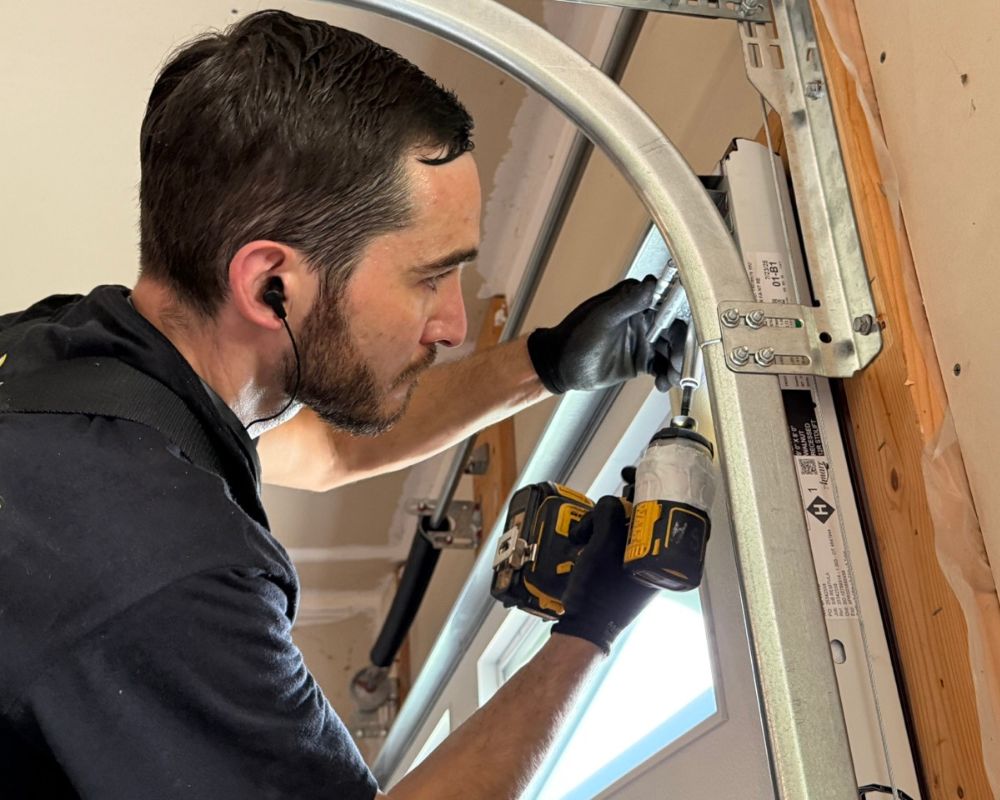
A professional inspection is the clearest way to determine how much life your garage door has left. We can check the panels, opener, springs, cables, rollers, hinges, tracks, balance, seals, and visible hardware before you decide between repair and replacement.
Request a Free Estimate from Mr. Spring Garage Doors, or call us at (612) 416-0091.
About the Author
Tyler Kurr is the general manager of Mr. Spring Garage Doors, serving Minneapolis and St. Paul. Mr. Spring was built around upfront pricing, on-time service, and a guarantee that if a repair is not done right, we send a technician back at no charge.
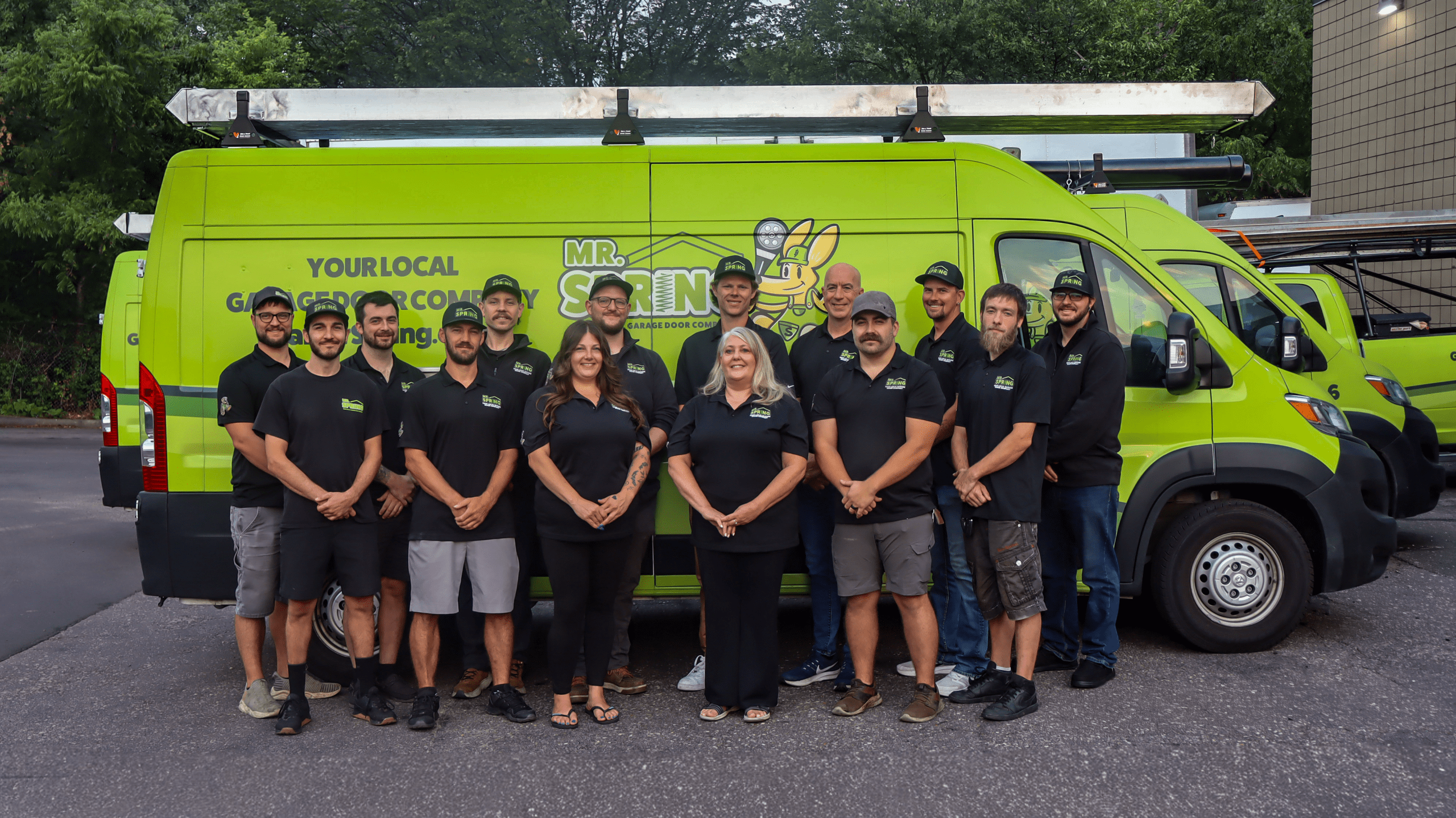
At Mr. Spring Garage Doors, we make it easy to understand what your garage door needs before you commit to a repair or replacement. Our technicians inspect the full system, explain what they find, and give you clear next steps instead of pushing maintenance for its own sake.
If your door is older, noisy, uneven, heavy, or showing visible wear, a free estimate can help you decide whether a targeted repair is enough or whether replacement is the smarter long-term choice. We look at the panels, opener, springs, rollers, cables, hinges, tracks, seals, balance, and overall safety.
We are a locally owned and operated business serving the Twin Cities service area. Our owner, Joe Schwartz, is a lifelong Minnesotan who understands how Minnesota weather affects garage door systems year-round.
Ready to know what your garage door needs? Request a free estimate today or call (612) 416-0091.
Key Takeaways: