Reviewed by Tyler Kurr, General Manager of Mr. Spring Garage Doors. Last updated November 5, 2026.
Quick answer: Why won't my garage door close? Most of the time, a blocked, dirty, or misaligned safety sensor is telling the opener something is in the way, so the door refuses to close or reverses back up. If the sensors check out, look for ice or objects under the door, then check the remote and wall button, the tracks, and the opener's close limit setting (where it thinks the floor is). If you heard a bang or the door looks crooked, stop and call a technician, since that usually means a broken spring or cable.
| What you see | Most likely cause | Safe to check yourself? |
|---|---|---|
| Door won't move down at all, opener light flashes | Safety sensors blocked, dirty, or misaligned | Yes |
| Door starts down, then goes back up | Sensors, obstruction, or close limit setting | Proceed with caution |
| Door stops a few inches short or reverses at the floor | The opener's close limit setting, or ice on the floor | Expert is recommended |
| Door closes only while you hold the wall button | Sensors not seeing each other | Yes |
| Remote does nothing, wall button works | Remote battery or the opener's lock mode | Yes |
| Wall button does nothing, remote works | Wall button or its wiring | Expert is recommended |
| Opener hums or runs but the door doesn't move | Door disconnected from the opener, stripped gear, or a broken spring | Expert is recommended |
| Door is heavy, crooked, or you heard a loud bang | Broken spring or cable | No |
| Door scrapes, sticks, or jumps in the track | Bent track or worn rollers (the wheels that ride in the track) | No |
| Nothing happens at all | No power to the opener | Yes |
The safety sensors are two small units mounted near the floor on each side of the door. One sends an invisible beam across the opening and the other receives it. If the beam is broken, the opener won't close the door. The Consumer Product Safety Commission has required entrapment protection, such as these sensors, on residential garage door openers made since January 1, 1993, so the sensors are doing their job when they stop the door.
The sensors stop working properly for a handful of reasons:
Look at the small lights on each sensor. Steady lights on both usually mean they're aligned. A dark or blinking light on one side means that sensor isn't getting a clean signal. On many Chamberlain and LiftMaster openers, the main opener light flashing 10 times also points to the sensors, according to Chamberlain's support guidance.
Before you look at anything mechanical, check the floor and the tracks. A small rock, a fallen tool, or a torn bottom seal (the rubber strip along the bottom edge of the door) folded under the door can make the opener think it hit something and reverse.
In Minnesota, the floor itself can be the culprit in winter. The Minnesota Department of Natural Resources lists about 54 inches of normal annual snowfall for Minneapolis and St. Paul, and a lot of that ends up melting off cars and refreezing on the garage floor. A ridge of ice right under the door means the bottom seal hits it early. The opener reads that as an obstruction and sends the door back up. Chip or melt the ice away and the problem usually goes with it.
Also, look along both vertical tracks. A bent section, a loose bracket, or a roller that has jumped out of the track can make the door bind partway down. If you see a dent or a gap in the track, don't try to force the door, since it can come off the track under load. Our technicians check whether a damaged track can be repaired or needs garage door track replacement.
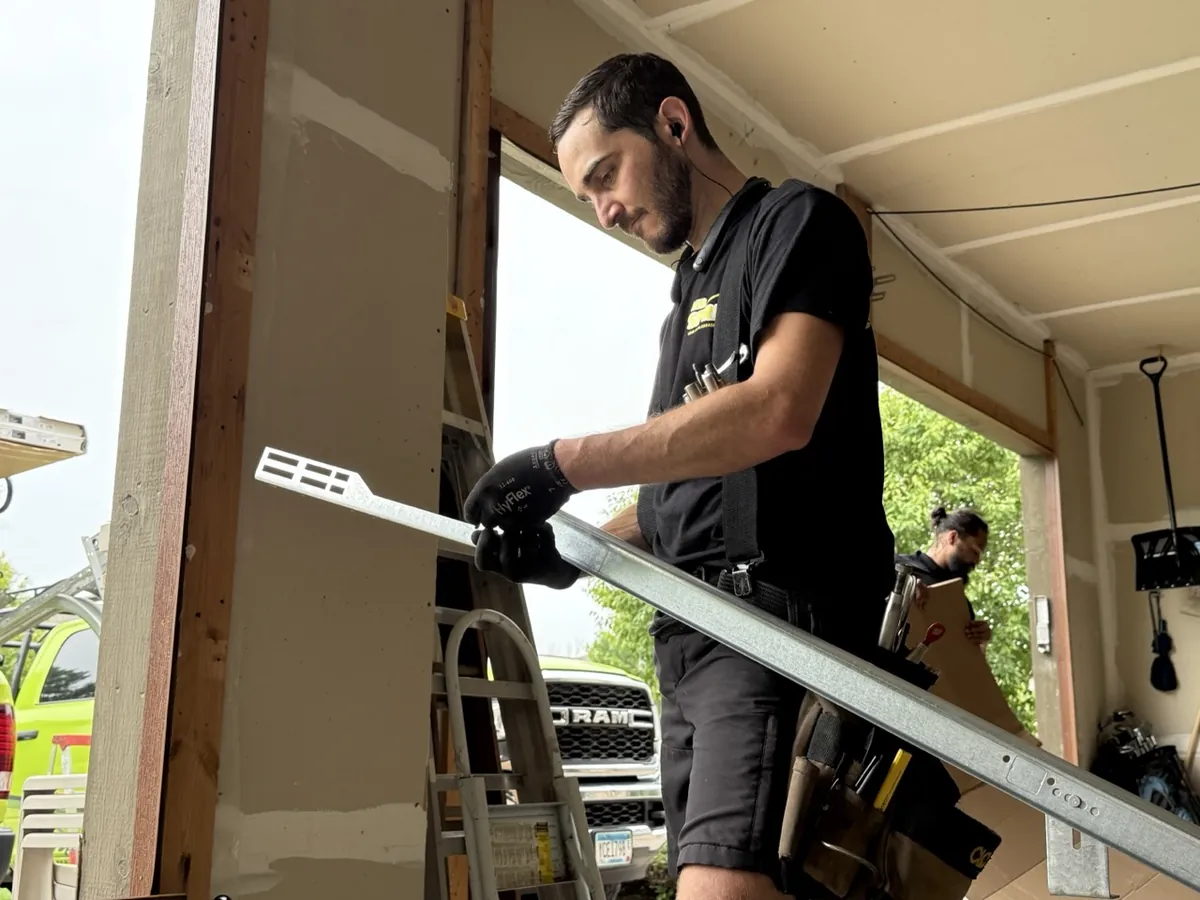
A garage door that goes down and then reverses is usually reacting to the sensors, an obstruction, or the opener's settings. Every opener is built to reverse when it thinks something is in the way. The question is what's triggering it.
Limit and force settings are adjusted on the opener itself, and the method varies by brand and model. Your opener's manual will show where they are. Make small changes only, and test the safety reverse afterward by laying a 2x4 flat on the floor in the center of the door's path. The door should reverse when it touches the board. If you're not comfortable making the change, call us and we'll check the opener as part of a repair visit.
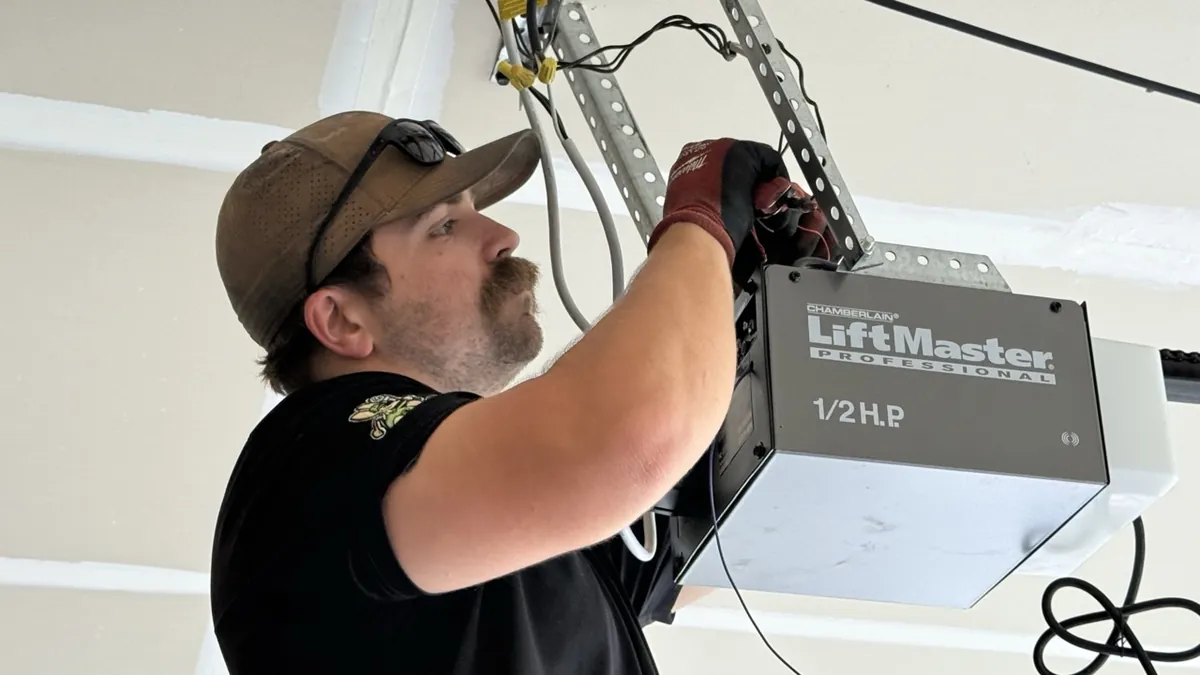
Sometimes the opener is the issue, not the door. Here's what to check:
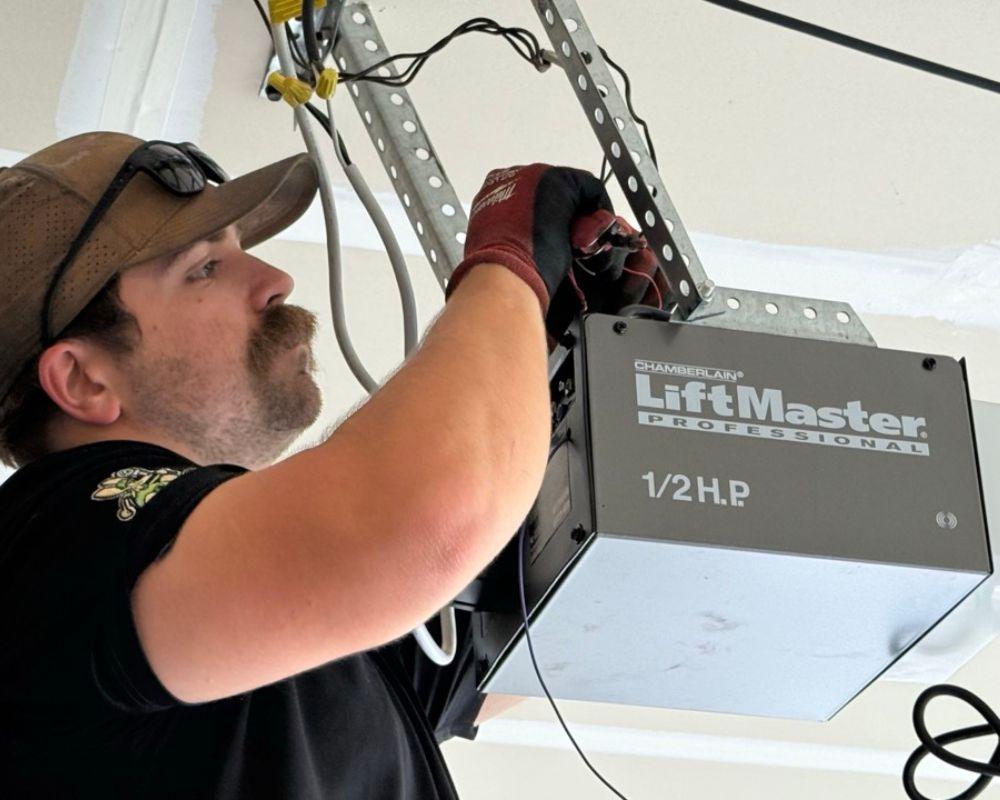
Gears, logic boards, and motors should be handled by a professional. If you need garage door opener repair, we offer free on-site estimates where we determine the exact cause of your issue. If your opener is getting older, we can also tell you whether repairing it makes sense or whether a new opener is the better buy.
If the wall button closes the door but the remote doesn't, the problem is almost always the remote or a setting on the opener, not the door.
If the remote works but the wall button doesn't, the wall button or its thin wire to the opener is the likely problem. Look for a loose wire at the back of the button or at the opener's terminals. If the wires look fine, the button may need replacing.
If your door only closes while you press and hold the wall button, the safety sensors aren't seeing each other. Some openers let you close the door this way as a backup. It works because you have to stand there and watch the door the whole way down. The original 1993 federal rule listed this kind of hold-to-close control as one acceptable form of entrapment protection.
Treat it as a warning, not a fix. Clean and realign the sensors, check their wiring, and the remote should start closing the door again. Chamberlain notes that its openers and logic boards made after February 3, 2022 no longer allow hold-to-close, so on newer openers, holding the button may not work at all.
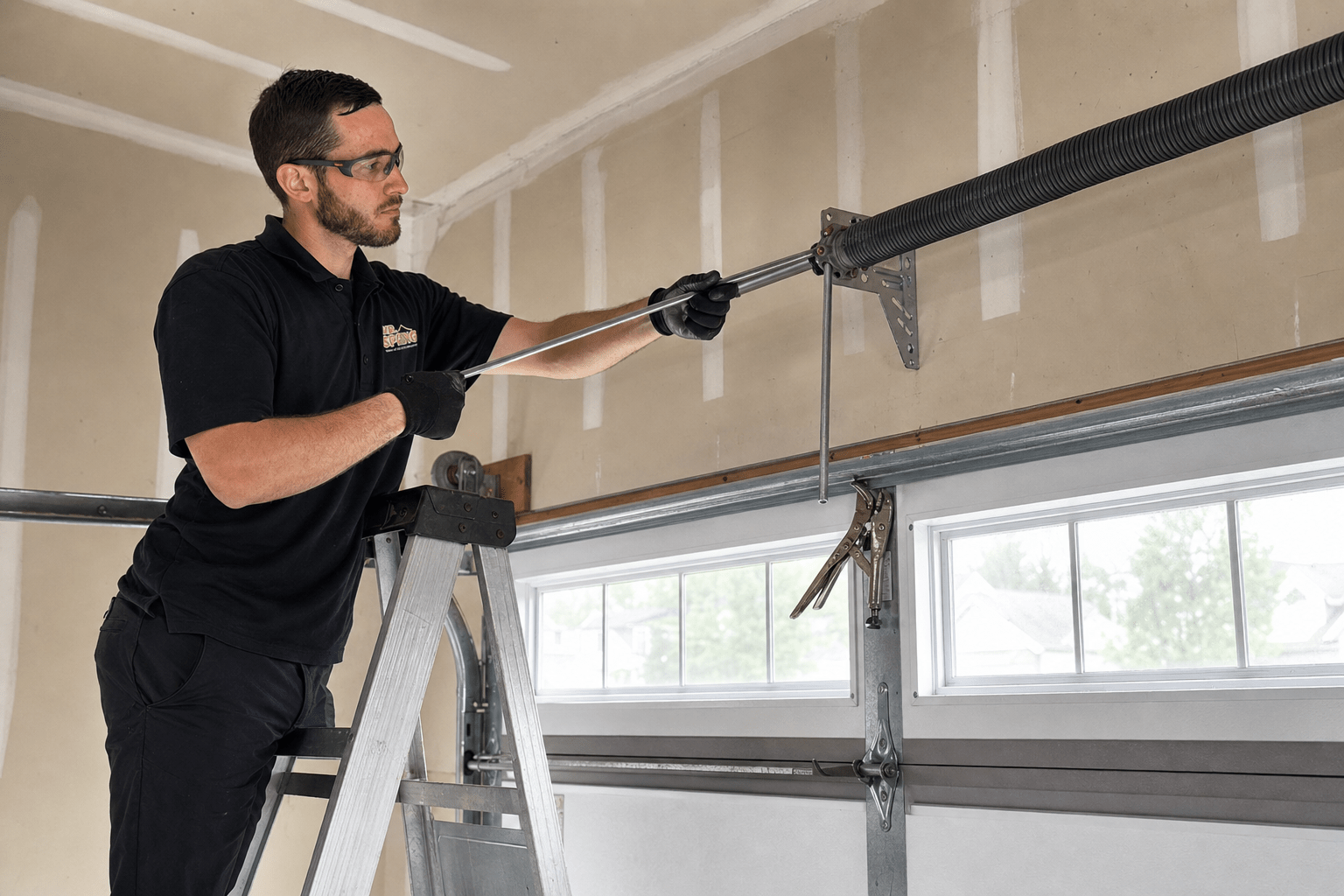
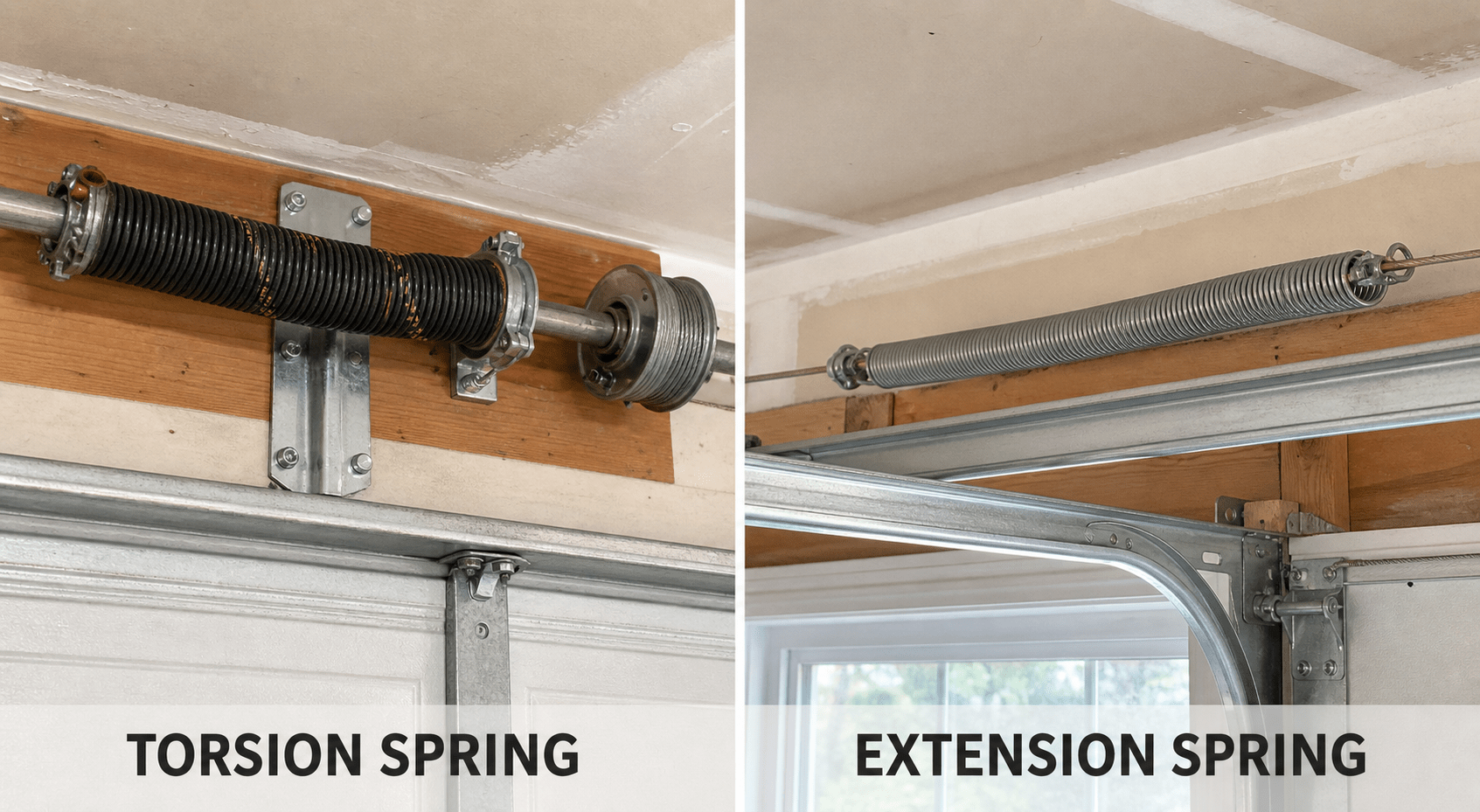
Yes, and this is the one problem you should never try to fix yourself. Garage door springs do most of the work of lifting and lowering the door. The opener guides it.
Signs of a broken spring or cable include:
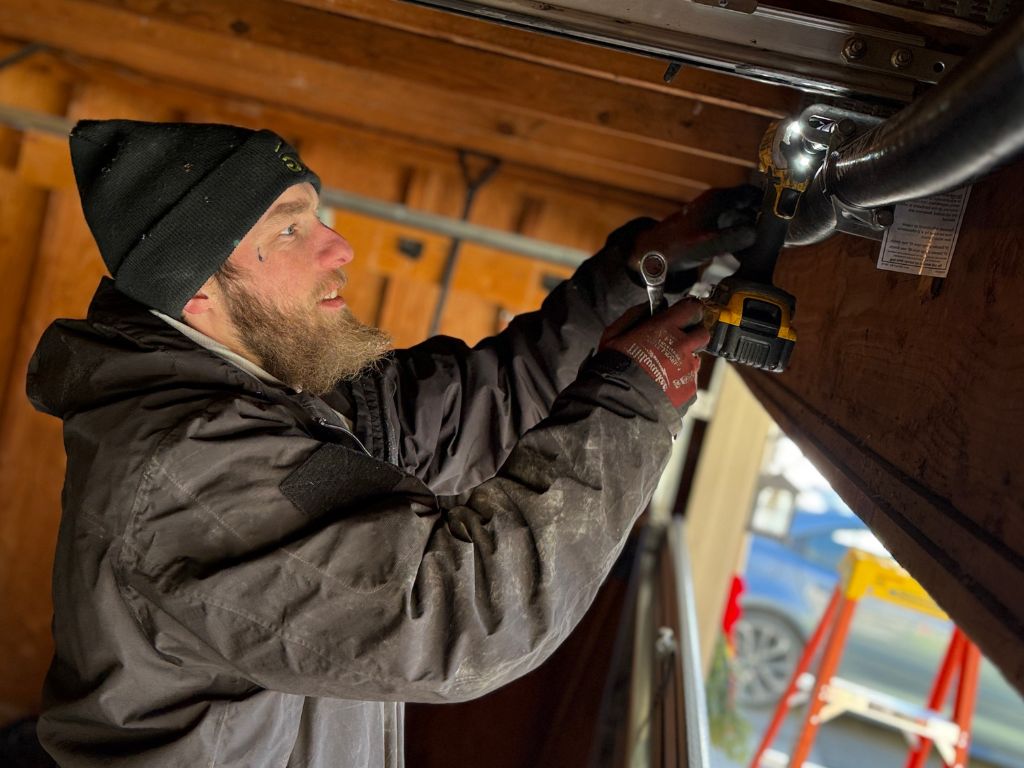
A door with a broken spring may not close properly, or it may slam down without warning. Springs, cables, and the bottom brackets (where the cables attach at the bottom corners of the door) hold a lot of tension and can cause serious injuries. Don't try to adjust or replace them. Our guide to a broken garage door spring explains the warning signs in more detail. When it's time for a fix, our technicians handle garage door spring replacement and garage door cable replacement for homeowners across Minneapolis and St. Paul.
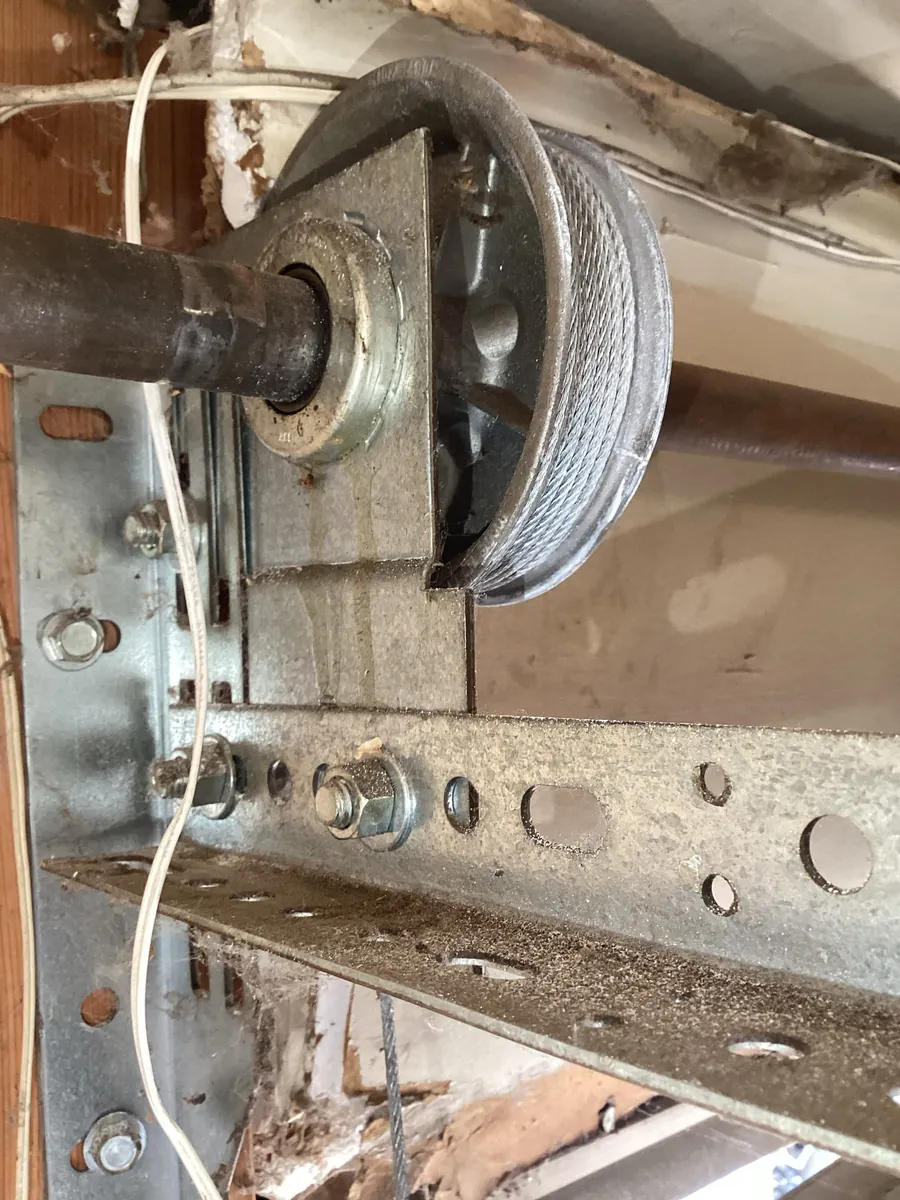
Before you start, make sure the door is safe to work around. If you hear a loud bang, the door looks crooked, or a cable is hanging loose, stop here and call us. Otherwise, work through these steps in order:
If none of these steps work, the problem is likely inside the opener or with the springs, cables, or tracks. That's the point of bringing in a technician.
A garage door stuck open is a security problem, especially overnight. Here's how to handle it safely.
First, decide if the door is safe to touch. If a spring or cable looks broken, or the door is crooked, keep everyone out from under it and don't pull the emergency release. With a broken spring, the door can drop fast once it's disconnected from the opener. Call us at (612) 416-0091. We offer 24-hour emergency service.
If the springs and cables look normal, you can usually close the door by hand:
If you can't close it safely, lock the door between your garage and your house, move bikes, tools, and other valuables inside or out of sight, and call us at (612) 416-0091. We offer 24-hour emergency service.
Once the door is closed and secured, it's safe to wait for a scheduled repair.
Call a technician when:
Our team serves homeowners across Minneapolis and St. Paul. There's no trip fee, every visit starts with a free inspection, and we offer same-day service whenever possible. We're rated 5.0 on Google across more than 1,400 reviews, and every repair is backed by the Mr. Spring Guarantee.
The cost depends on what's actually wrong, which is why we start every visit with a free on-site inspection. As a general guide, here are our current price ranges:
| Repair | Mr. Spring price range |
|---|---|
| Torsion spring replacement | $250 to $600 per spring |
| Extension spring replacement | $200 to $450 per spring |
| Cable replacement | $125 to $300 per set |
| Roller replacement | $100 to $300 per set |
| Service call or trip fee | Free |
Spring prices are per spring, so replacing both springs on a door with two torsion springs runs $500 to $1,200. Sensor, track, and opener repairs vary too much by model and damage to list here. Your final price depends on your individual situation and what we find, so we'll give you an exact quote during your free on-site estimate.
Not if the safety reverse test fails or a spring or cable may be broken. A door that doesn't reverse can close on a person, a pet, or a car, and a broken spring can let the door drop without warning. Stop using the opener and have the door checked. Our garage door repair technicians can find the cause and fix it safely.
Yes. We diagnose and repair garage door openers, including remotes and wall buttons that stop working and openers that run without moving the door. When a repair doesn't make sense, we install new LiftMaster openers. Learn more about our garage door opener repair service.
Most garage doors that won't close have a simple cause: a blocked or misaligned sensor, ice on the floor, a remote battery, or a lock setting. Start with the safe checks above. If the door is heavy, crooked, or you heard a bang, leave it alone and call us at (612) 416-0091. Our garage door repair technicians serve Minneapolis and St. Paul around the clock, with no trip fee and a free on-site estimate.
About the Author
Tyler Kurr is the general manager of Mr. Spring Garage Doors, serving Minneapolis and St. Paul. The company was built to fix what homeowners dread about garage door service, unanswered calls, unclear pricing, and missed appointments from other companies. We built Mr. Spring around the opposite: upfront pricing, on-time service, and a guarantee that if a repair isn’t done right, we send a technician back at no charge. Mr. Spring holds a 5.0-star rating across 1,400+ reviews.
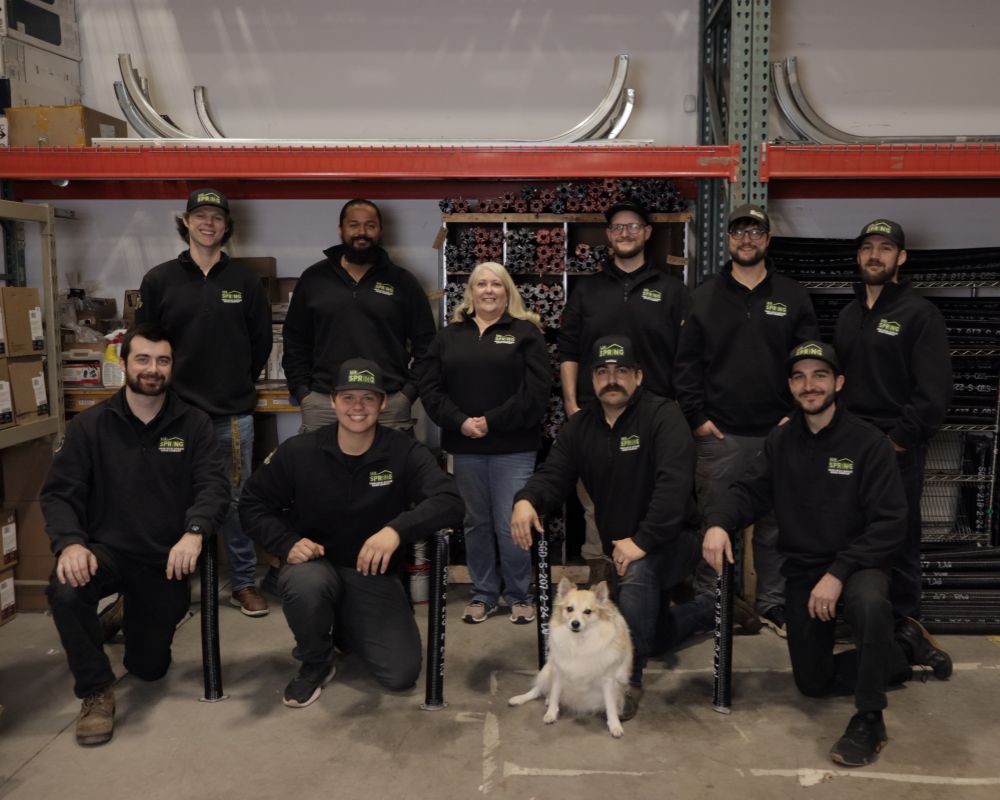
At Mr. Spring Garage Doors, we don't perform surface-level tune-ups. We deliver detailed inspections designed to catch issues early and prevent costly system failures. Our technicians are trained to identify wear patterns that less experienced providers often miss, helping you avoid unnecessary repairs and replacements.
Preventative maintenance is not an upsell. It is a smart investment in reliability, safety, and long-term cost control. Waiting for a breakdown often leads to more extensive damage and higher repair costs.
We are a locally owned and operated business serving Minneapolis and St. Paul. Our owner, Joe Schwartz, is a lifelong Minnesotan who understands firsthand the demands that Minnesota weather places on garage door systems year-round. Every maintenance visit we perform is built around protecting your system for the long haul, not just getting through the call.
If your garage door has not been professionally serviced within the past year, now is the time. Schedule your maintenance today and keep your system running smoothly while avoiding unexpected expenses.