Garage Doors are one of the most frequently used entry points in a home. It opens and closes thousands of times each year, supports significant weight, and depends on multiple moving parts working together in balance.
One of the most common questions we hear at Mr. Spring Garage Doors is, “How long should my garage door last before I need a replacement?”
The answer depends on several factors, including material, usage, maintenance, climate, and the quality of the original garage door installation. Understanding these variables helps set realistic expectations and avoid premature failure.
With proper installation and routine maintenance, most residential garage doors fall within the following lifespan ranges:
These are general benchmarks, not guarantees. A poorly executed garage door installation can shorten lifespan significantly, while a properly balanced and professionally installed system can last well beyond expectations.
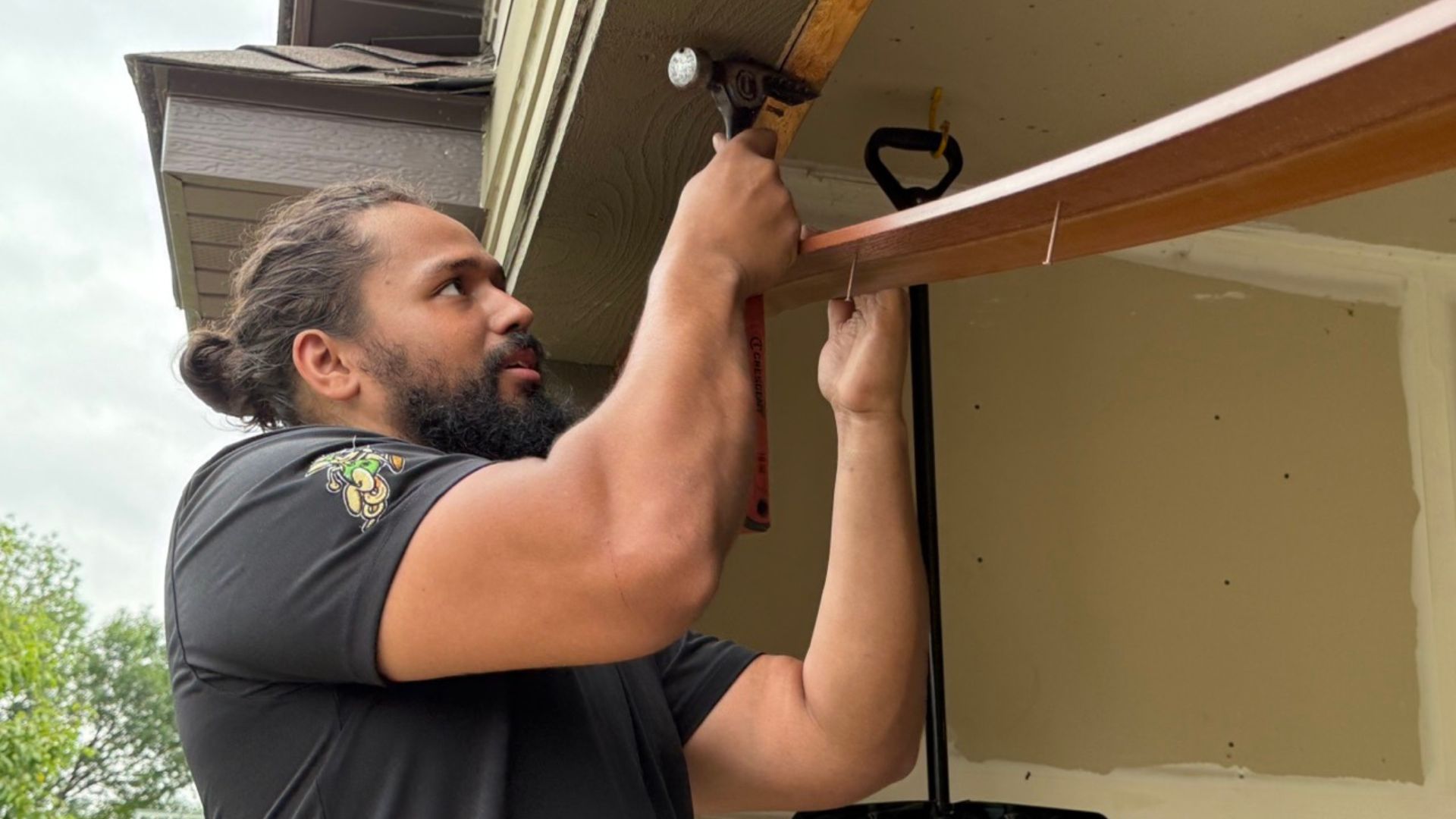
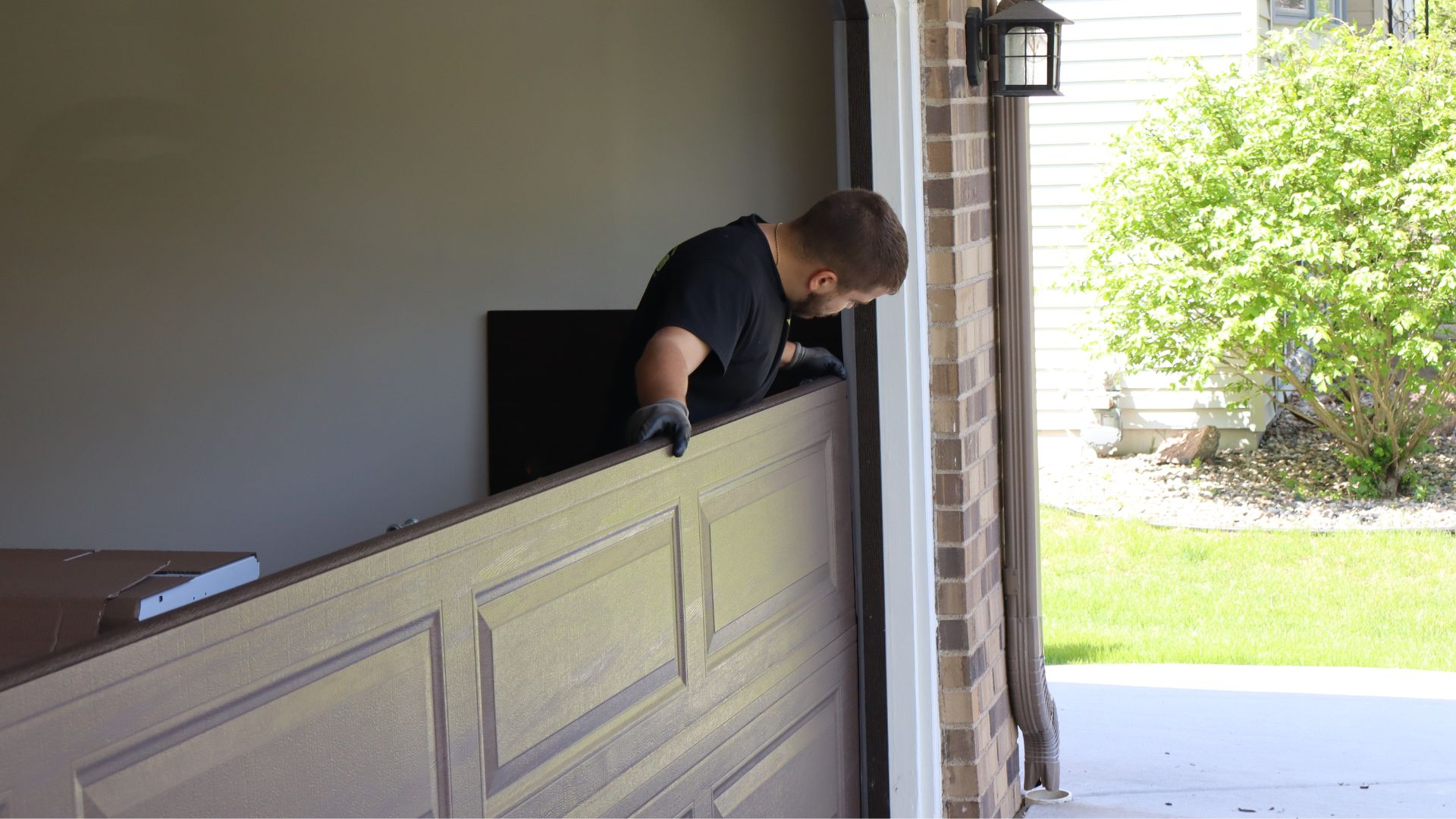
The lifespan of your garage door begins on day one. Even small issues during installation can create long-term problems. If tracks are misaligned, springs are improperly tensioned, or the door is not balanced correctly, wear begins immediately. Over time, this stress affects rollers, hinges, cables, the opener motor, and overall panel alignment.
At Mr. Spring Garage Doors, installation is treated as a structural process. Proper leveling, accurate spring tension, and balanced weight distribution all play a critical role in long-term performance.
The material of your garage door has a direct impact on how it ages and performs over time. Steel doors are durable, low maintenance, and can last 20 to 30 years, though they may dent under impact. Wood doors offer a high-end appearance but require regular sealing or painting and are more vulnerable to moisture and warping. Aluminum and glass doors are lightweight, modern, and resistant to rust, but they are less impact-resistant than steel.
Choosing the right material during your garage door installation helps align durability with your climate, usage, and maintenance preferences.
Every time your garage door opens and closes, it completes one cycle. Most households use their garage door three to five times per day, which adds up to roughly 1,500 cycles per year.
Standard torsion springs are typically rated for 10,000 cycles, while high-cycle options can exceed 20,000. Homes with multiple drivers or frequent use often benefit from upgraded springs to extend lifespan and reduce long-term wear.
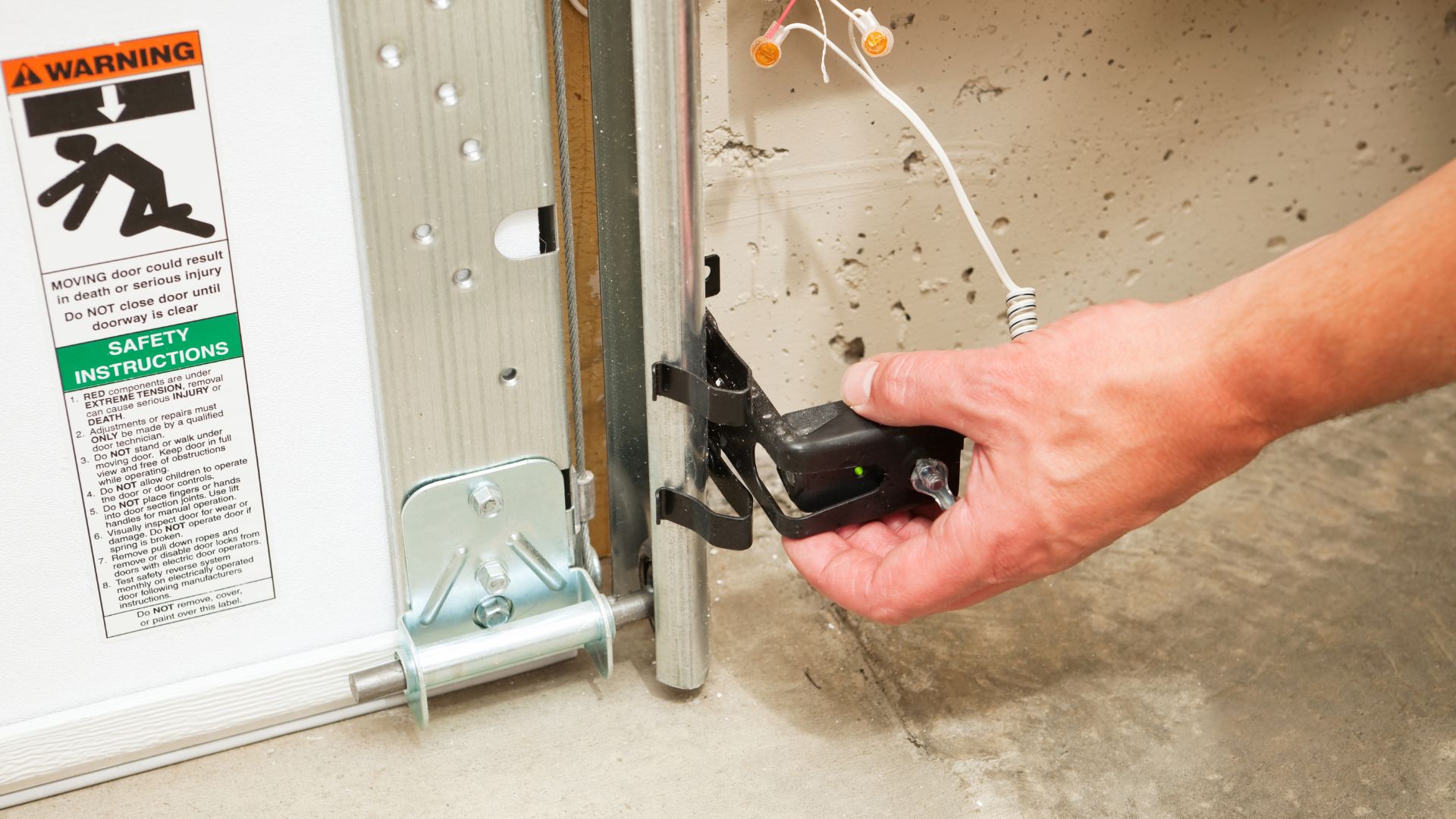
Garage doors are mechanical systems that experience constant motion, vibration, and friction. Without regular maintenance, small issues can quickly turn into larger problems. Routine care such as lubrication, hardware tightening, and system inspections helps reduce strain and extend the life of key components. Neglecting maintenance often leads to track issues, opener strain, and premature part failure.
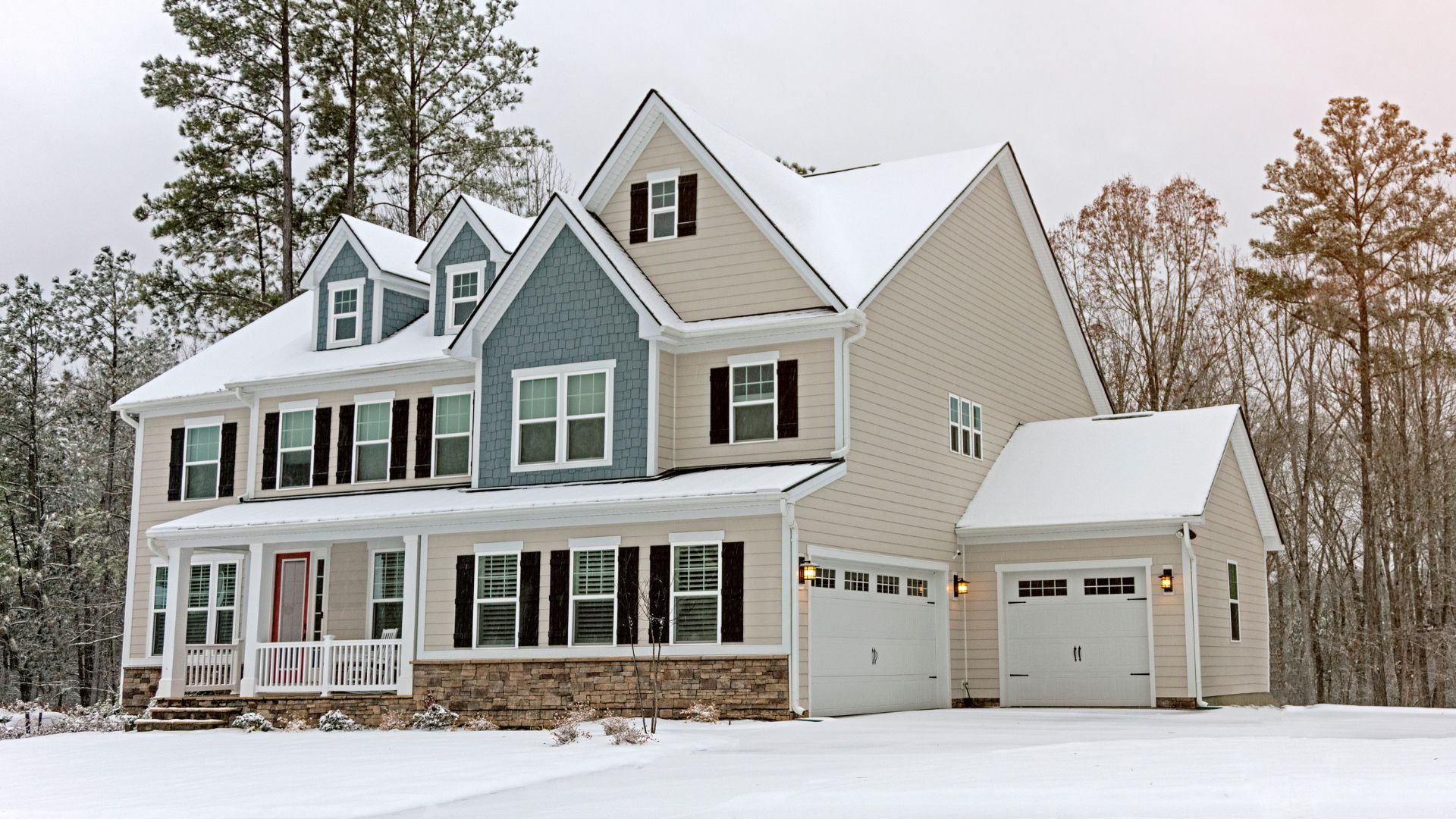
Garage doors are exposed to the elements year-round. Temperature swings, humidity, rain, and freezing conditions all impact performance. Moisture can lead to rust, sun exposure can fade finishes, and cold weather can affect metal components and spring tension. In climates like Minnesota, these factors play a major role in how long a garage door lasts. Professional installation that accounts for local conditions helps protect against these long-term effects.
Even if your garage door still works, certain warning signs may indicate it is approaching the end of its lifespan:
In many cases, yes. Consistent care can add years to your system. Annual inspections, quick attention to minor issues, and proactive part replacements all help reduce long-term wear. Replacing worn rollers, maintaining weather seals, and upgrading springs before failure can significantly improve durability Preventative maintenance is almost always more cost-effective than reactive repairs.
In many cases, yes. Consistent care can add years to your system. Annual inspections, quick attention to minor issues, and proactive part replacements all help reduce long-term wear. Replacing worn rollers, maintaining weather seals, and upgrading springs before failure can significantly improve durability Preventative maintenance is almost always more cost-effective than reactive repairs.
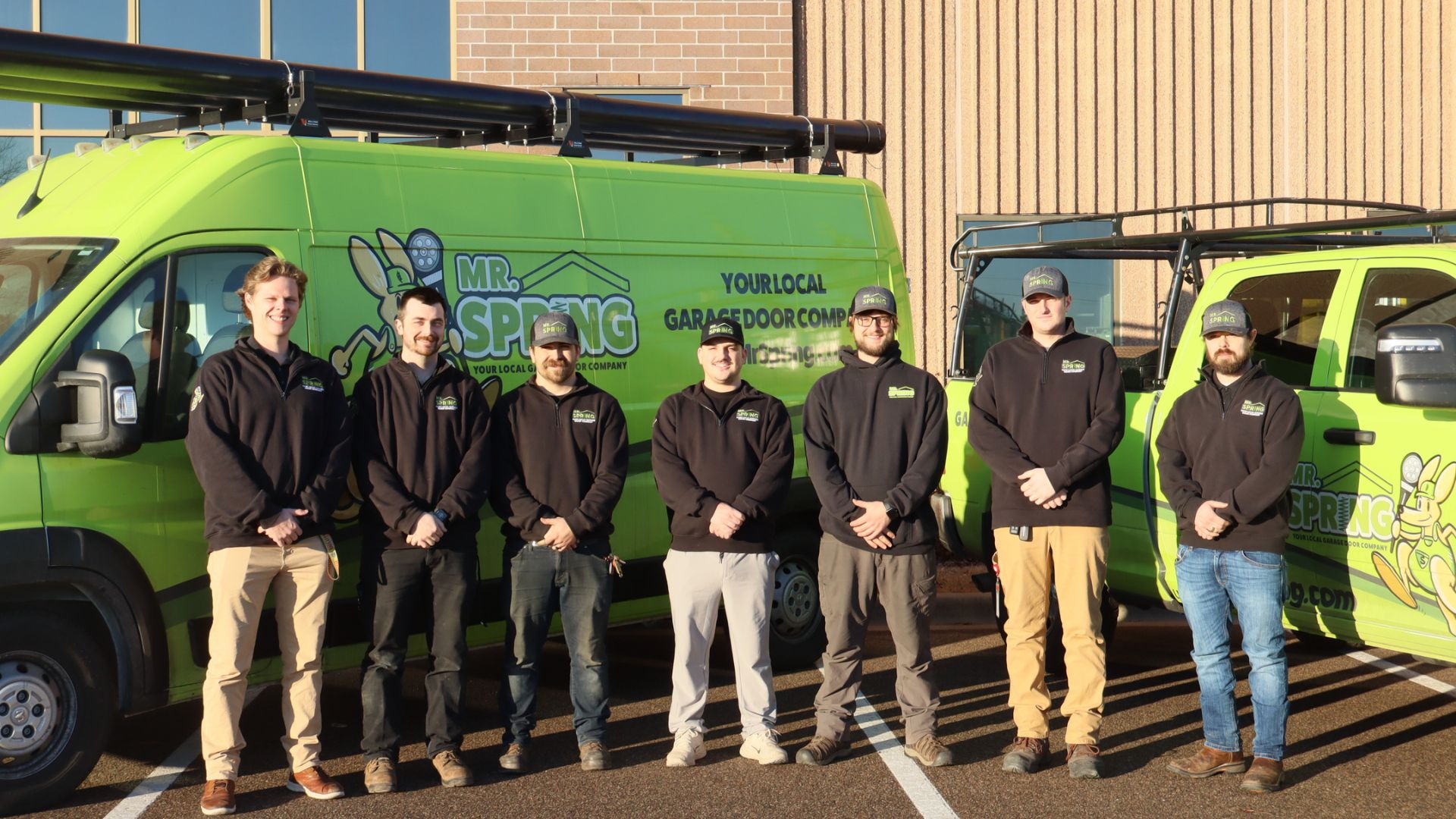
A garage door does more than open and close. It protects your home, secures your belongings, and often serves as a primary entrance. When installed correctly and maintained consistently, most homeowners can expect decades of dependable use. Planning ahead and addressing issues early helps prevent unexpected breakdowns and costly repairs.
At Mr. Spring Garage Doors, our goal is to deliver garage door installation that is built for longevity. If your current system is showing signs of wear or you are considering an upgrade, taking a proactive approach now can save time, money, and stress down the road.