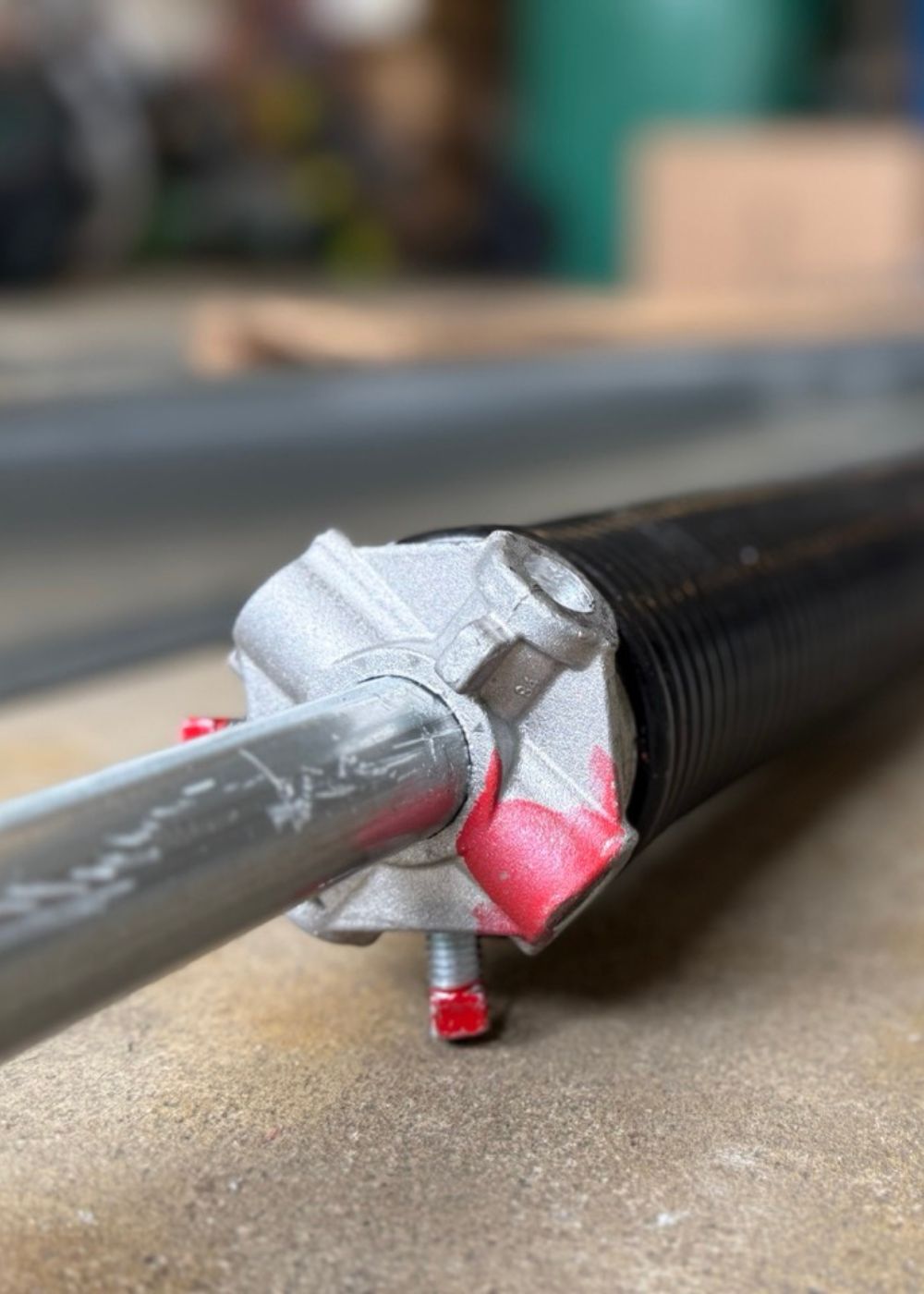
Garage door springs are built to handle thousands of open-and-close cycles, but even the strongest springs will eventually wear out. Daily use, exposure to the elements, and lack of routine maintenance all place stress on the metal over time. When a spring finally fails, it often happens suddenly and without warning. Understanding the most common causes of spring failure can help homeowners recognize risks early and take steps to extend the life of their garage door system.
- Normal wear and tear — Most garage door springs are rated for approximately 10,000 cycles, which typically equals about 5 to 7 years of regular household use. As the metal fatigues, the spring becomes more likely to snap.
- Rust and corrosion — Moisture and humidity can cause springs to rust, increasing friction between the coils and weakening the metal. Rust significantly shortens the lifespan of garage door components.
- Lack of routine maintenance — Springs that are not properly lubricated and inspected experience increased friction and strain. Without regular maintenance, small issues can quickly turn into sudden spring failure.
- Improper balance or added door weight — If a garage door becomes unbalanced or has added weight from insulation or upgrades, the springs are forced to work harder than designed, accelerating wear.